
A bipartisan group of US senators has introduced comprehensive legislation aimed at imposing stringent sanctions on Russia, particularly targeting its energy sector, economy, and key individuals connected to President Vladimir Putin. Unveiled on July 14 on Capitol Hill, the proposed bill seeks to significantly increase pressure on Russia in response to ongoing geopolitical tensions and conflicts.
One of the most notable features of the bill is the provision granting the US president authority to impose tariffs on imports from countries that continue to purchase Russian oil and gas. India, along with China, Slovakia, Hungary, and Azerbaijan, has been specifically named among the nations that could face such tariffs under the legislation. Although the bill does not specify exact tariff rates, it authorizes the US Trade Representative to set tariffs up to a maximum limit defined by the law. This approach aims to provide flexibility to the administration in determining the most effective tariff levels to discourage further Russian energy purchases.
The legislation also includes exemptions for countries importing less than 15 percent of their natural gas from Russia, provided these countries are actively reducing their purchases. This clause appears designed to accommodate many European allies who continue to rely partially on Russian energy but are working to decrease their dependence.
Beyond tariffs, the bill lays out a broad array of economic sanctions targeting Russia's banking and energy sectors, defense industry, influential oligarchs, and President Putin himself. The sanctions propose full blocking measures that would severely restrict Russia's financial and industrial capabilities. Additionally, a provision targeting Russia's "shadow fleet"-a collection of oil tankers allegedly used to evade existing sanctions-was secured by Senator James Risch, chairman of the Senate Foreign Relations Committee, underscoring efforts to close loopholes in current restrictions.
The current version of the bill represents a narrowed focus compared to earlier drafts. Initial proposals reportedly covered as many as 63 countries, but the refined legislation limits the scope to a smaller group of major Russian oil and gas buyers. This adjustment came after consultations with the Trump administration, which has provided written support for the bill, signaling executive branch backing for the measures.
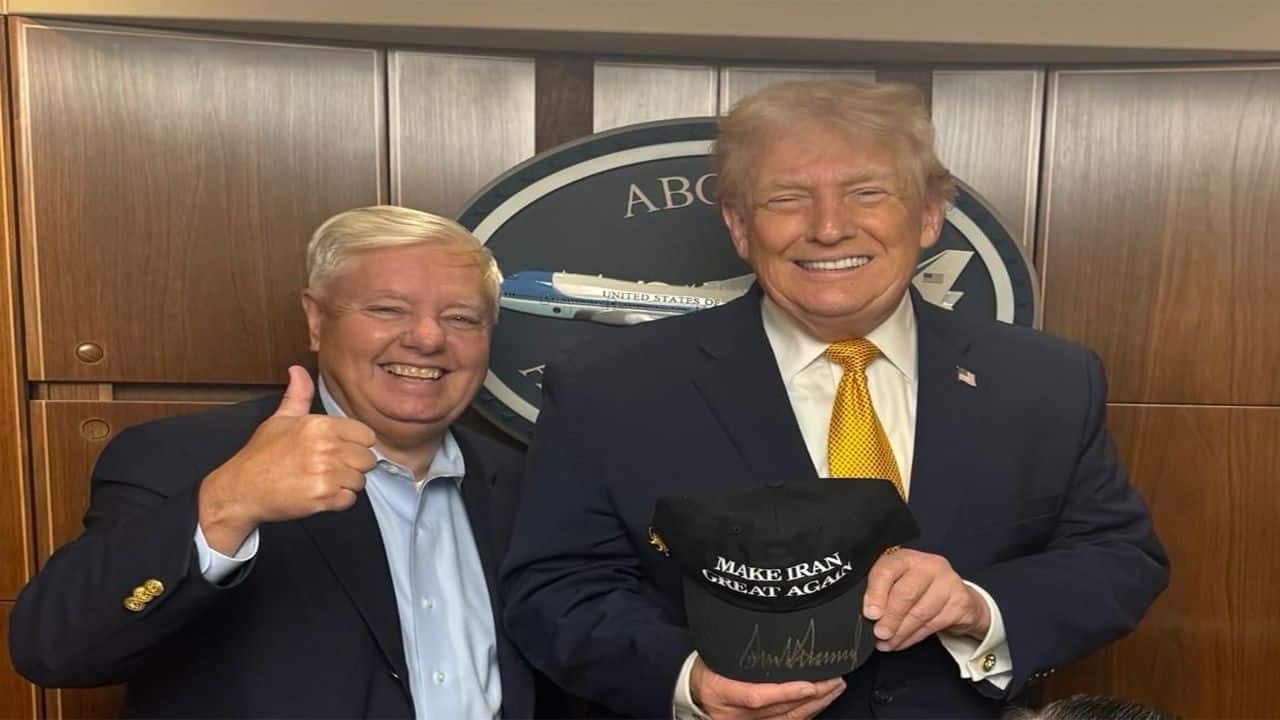
The bipartisan effort behind the legislation includes Democratic Senators Richard Blumenthal and Jeanne Shaheen, as well as Republican Senators Roger Wicker and Katie Britt, among others. The bill has been informally dubbed the "Lindsey Graham Russia Accountability Bill" in honor of the late Senator Lindsey Graham, who played a pivotal role in shaping the proposal over nearly two years. Fellow senators have praised Graham's leadership, with Senator Roger Wicker calling it "Lindsey Graham's greatest achievement" and Senator Ted Cruz noting that Graham personally negotiated the bill with President Trump before his passing. Lawmakers expect the Senate to vote on the bill before the end of August once sufficient support is secured.
India's inclusion in the tariff provision comes amid its continued purchase of discounted Russian crude oil since 2022, despite repeated calls from Western countries to reduce such imports. New Delhi has consistently defended its energy strategy, emphasizing its commitment to energy security and the importance of maintaining affordable fuel prices for its population. Indian officials have also argued that their purchases contribute to stability in global oil markets. The sanctions proposal, however, signals increased pressure on India and other major buyers to reconsider their energy sourcing in alignment with US and allied efforts to isolate Russia economically.
A White House official confirmed President Trump's support for the legislation, highlighting the administration's willingness to take a tougher stance on countries engaging with Russia's energy sector. Under the bill, the president would have the power to impose tariffs as high as 500 percent on imports from nations continuing to do business with Russia's energy industry, should the legislation become law.
The proposed sanctions and tariff measures come at a time of heightened geopolitical tension and reflect a concerted effort by US lawmakers to apply economic pressure on Russia while also influencing the behavior of other countries involved in Russian energy commerce. If passed by both the Senate and the House of Representatives and signed by the president, the legislation would represent a significant escalation in US policy aimed at curbing Russia's economic resources and limiting its ability to sustain ongoing military and political activities.
In summary, the bill offers a multi-faceted approach to sanctioning Russia through economic restrictions, targeted tariffs on third-party nations purchasing Russian energy, and measures to close loopholes in existing sanctions regimes. While it awaits legislative approval, the proposal underscores the US government's intention to strengthen its response to Russia's actions and to encourage global partners to reduce reliance on Russian energy sources. The coming weeks will be critical as senators rally support for the bill, with potential wide-reaching implications for international energy markets and diplomatic relations, particularly involving India and other key Russian oil and gas importers.