
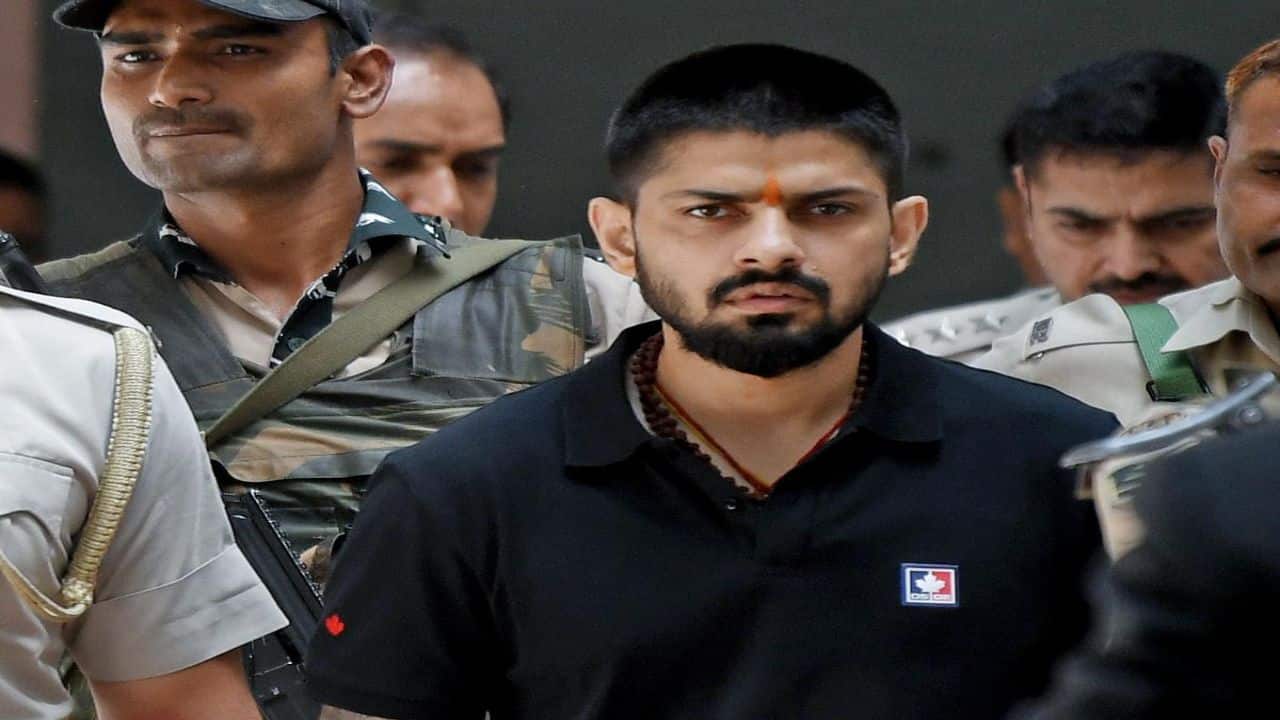
The United States has recently intensified its crackdown on international organised crime by naming Lawrence Bishnoi, a notorious gangster currently imprisoned in India, as a key figure in a sprawling criminal network. This network, according to US authorities, is involved in a wide range of serious offences including murder, drug trafficking, extortion, and illegal arms dealings. The announcement has raised questions about the potential for India to extradite Bishnoi to the US if a formal request is made, and what the legal and diplomatic implications of such a move might be.
Lawrence Bishnoi is currently detained in Sabarmati Central Jail in Ahmedabad, India. Any decision on his extradition hinges on a complex legal process governed by the extradition treaty between India and the United States, signed in 1997. This treaty allows either country to seek the extradition of individuals accused of crimes punishable under the laws of both nations, provided the alleged offence carries a prison sentence of at least one year. The extradition request must be submitted through diplomatic channels, accompanied by detailed documentation such as charges, arrest warrants, case facts, applicable legislation, and supporting evidence. If the accused has already been convicted, the requesting country must also provide judicial certificates or copies of the judgment.
The extradition process is inherently lengthy and involves scrutiny by Indian courts and the government, which must ensure compliance with both the treaty and Indian law. While the treaty provides a clear legal framework, actual extradition depends heavily on political will and legal considerations. If the Indian government is inclined to cooperate, the process can be expedited; otherwise, it may drag on for years. Extradition is not an automatic or swift procedure, and multiple safeguards exist to protect the rights of the accused.
The US action follows indictments filed by a federal grand jury on June 25, targeting members of three India-based criminal groups, including the Bishnoi gang. In total, 37 individuals have been named across three indictments, with 24 suspects arrested in countries such as the United States, Canada, and parts of Europe. The charges encompass a wide array of criminal acts: contract killings, drug trafficking, extortion, kidnapping, illegal firearms trafficking, and notably, the murder of Hardeep Singh Nijjar, a prominent Khalistan supporter.
One indictment accuses 17 individuals of running a criminal enterprise with activities spanning multiple countries, including the US and Canada. US prosecutors have alleged that Bishnoi and another gangster named Satinderjit Singh, also known as Goldy Brar, orchestrated Nijjar's killing in Canada. Nijjar was shot dead on June 18, 2023, outside a gurdwara in Surrey, British Columbia. The US authorities claim that the gang also targeted religious and political leaders and attempted to extort members of the community, including victims residing in California.
Interestingly, while the murder took place in Canada, US courts have jurisdiction in the case because the criminal enterprise allegedly operated across North America, including within the United States. Prosecutors argue that since the gang's activities involved crimes committed on American soil-such as extortion threats issued in Los Angeles and drug trafficking across the US-Canada border-the US has the authority to pursue prosecution under its laws. This approach is consistent with US legal provisions that allow authorities to act against criminal organisations whose activities affect the country, regardless of where all the crimes occurred.
The broader investigation also names Jaggu Bhagwanpuria, another gangster imprisoned in India, as part of the criminal network. According to the Federal Bureau of Investigation (FBI), this network engaged in illegal operations within the United States, with several members actively operating there. The US prosecutors further allege that Bishnoi continued to direct gang activities from prison, using smuggled mobile phones and internet-based communication methods to coordinate crimes remotely.
The indictments include charges under the Hobbs Act for attempted extortion, conspiracy to commit fraud, drug distribution, illegal firearms trafficking, and possession of machine guns. US authorities emphasize that the accused are not facing charges solely related to the Nijjar murder but also for offences committed within the US, strengthening the legal basis for prosecution in American courts.
International law enforcement cooperation plays a significant role in addressing such transnational organised crime cases. Mike Duheme, Commissioner of the Royal Canadian Mounted Police (RCMP), highlighted the importance of collaborative efforts, stating that the most effective way to combat organised crime is for multiple agencies to work together against criminals operating across borders. He noted that coordinated efforts have successfully disrupted criminal groups that used murder and intimidation to extort people in both Canada and the United States, and pledged continued cooperation to protect communities globally.
Legal experts emphasize that any extradition request from the US would be managed under the existing India-US extradition treaty rather than escalating into a diplomatic conflict. Honoring treaty obligations could actually enhance bilateral cooperation, as both countries recognize the importance of tackling international crime while respecting each other's legal systems and sensitivities. India, in particular, is known to be cautious about extradition matters involving its nationals, given the potential political and legal complexities.
There is precedent for security cooperation between India and the United States in high-profile cases. For instance, Dr. Kumar, a legal analyst, pointed to the David Headley case following the 2008 Mumbai terror attacks. Although Headley was never extradited to India, he assisted Indian investigators while serving his sentence in the US. Additionally, another accused in that case, Tahawwur Hussain Rana, was extradited from the United States to India in April 2025, arrested by the National Investigation Agency upon arrival, and placed in judicial custody. These examples demonstrate the possibility of successful cooperation within legal frameworks.
In summary, the US indictment of Lawrence Bishnoi and his associates represents a significant move against international organised crime with links to India. While the prospect of Bishnoi's extradition exists under the India-US treaty, it involves a detailed legal process requiring collaboration between the two governments and judicial authorities. The broad nature of the allegations and the transnational operations of the criminal network justify the US's involvement, including prosecuting crimes that have effects on American soil. Going forward, continued international cooperation and adherence to established treaties will be crucial in addressing such complex, cross-border criminal enterprises.
For ongoing updates on this and other important news stories in India and around the world, readers can follow Zee News and its comprehensive coverage.