
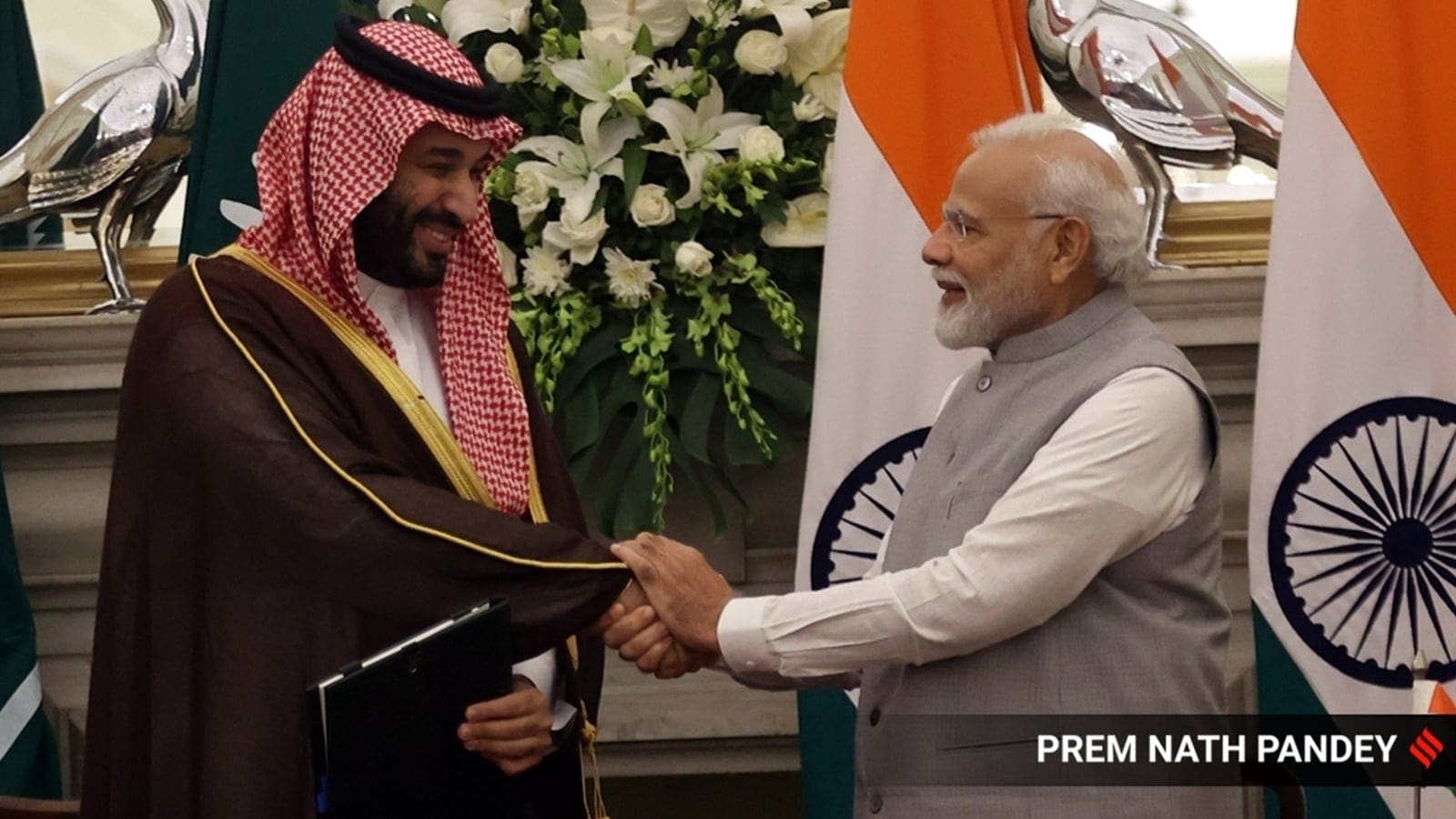
On Saturday, Indian Prime Minister Narendra Modi held a significant phone conversation with Saudi Arabia's Crown Prince Mohammed bin Salman, focusing on the ongoing conflict in West Asia and the stability of the region's critical maritime routes. This dialogue marked their second interaction since the outbreak of hostilities on February 28, which escalated following a series of strikes involving the United States, Israel, and Iran.
During the call, both leaders emphasized the urgent need to ensure freedom of navigation and to keep shipping lanes open and secure. These sea routes are vital for global trade and energy supplies, and any disruption could have far-reaching consequences for international markets. Modi also strongly condemned recent attacks on regional energy infrastructure, a reference to Iranian strikes targeting energy installations in Gulf countries, including Saudi Arabia and Qatar.
After the conversation, Prime Minister Modi took to the social media platform X to share highlights of the discussion. He reiterated India's condemnation of attacks on energy facilities in the region, underscoring the importance of maintaining uninterrupted maritime trade. Modi also expressed gratitude to the Crown Prince for his continued support for the welfare of the substantial Indian community residing in Saudi Arabia-approximately 2.7 million people. This community is part of a larger Indian diaspora of around 10 million spread across the Gulf and West Asian region.
Saudi Arabia finds itself in a complex diplomatic position amid the conflict. The kingdom hosts significant American military assets and is widely perceived as supporting US efforts against Iran, which has intensified tensions in the Gulf. The February 28 conflict began with US and Israeli actions against Iranian targets, followed by Iranian counterattacks on US military bases and energy infrastructure across the Gulf, thereby broadening the scope of the conflict.
The March 2 phone call between Modi and the Crown Prince was the first official communication after the conflict erupted. At that time, Modi condemned attacks on Saudi territory and stressed the importance of restoring peace and stability in the region. He also thanked the Crown Prince for safeguarding the wellbeing of the Indian community amid the turmoil.
The conflict has seen Iran conducting retaliatory strikes, including drone and missile attacks on strategic locations such as the Prince Sultan Air Base, south of Riyadh. This base houses US military personnel, and reports indicate that twelve US troops were injured during one such attack, with two sustaining serious injuries. These developments highlight the direct involvement and risks faced by American forces stationed in the kingdom.
In addition to military targets, Iran has struck critical Saudi energy facilities. Notably, the Ras Tanura refinery-the world's largest oil export terminal-and the SAMREF refinery in Yanbu have suffered damage from missile and drone attacks. These assaults have caused fires and forced temporary shutdowns, disrupting oil production and supply chains. The resultant uncertainty has caused Brent Crude oil prices to spike by 8 to 10 percent, reflecting fears of prolonged instability affecting global energy markets.
Further complicating the situation, Iran-backed Houthi rebels in Yemen have intensified their attacks on Saudi infrastructure. This proxy engagement increases the risk of sustained and more frequent assaults on the kingdom's energy and military installations, raising concerns about the broader security environment in the Gulf.
India's interest in the region stems not only from economic considerations but also from the large expatriate population and strategic partnerships with Gulf countries. The Indian government remains committed to protecting its citizens working in the region while advocating for peaceful resolution of conflicts to ensure regional stability.
Shubhajit Roy, the Diplomatic Editor at The Indian Express and a seasoned journalist with over 25 years of experience, provides context to these developments. Roy has been reporting on foreign affairs for more than 17 years and has led coverage on national government and political affairs. His award-winning work includes detailed reports on critical events such as the Holey Bakery attack in Dhaka and the Taliban's takeover of Kabul. His insights into the West Asian conflict highlight the complexity of the geopolitical landscape and the challenges faced by regional and global actors.
The Modi-Crown Prince dialogue underscores India's proactive diplomatic engagement amid escalating tensions in West Asia. By calling for secure shipping lanes and condemning attacks on energy infrastructure, India aims to contribute to stability in a region crucial for global energy supplies and the welfare of millions of expatriates.
As the situation evolves, the international community closely watches developments in the Gulf, where military confrontations and political alliances continue to shape the future of regional peace. India's balanced approach seeks to maintain strong bilateral relations while advocating for the safety and prosperity of its citizens abroad and the broader global interest in uninterrupted trade and energy flows.