
As the 2026 FIFA World Cup approaches, fans planning to attend matches at key U.S. venues should prepare for significantly higher transportation costs and stricter event-day regulations. Hosting a major global sporting event like the World Cup inevitably involves increased expenses, but recent announcements indicate that travel to and from stadiums such as MetLife Stadium in New Jersey and Gillette Stadium in Massachusetts will be notably more expensive than usual. These elevated costs have sparked concern among supporters eager to experience the tournament firsthand.
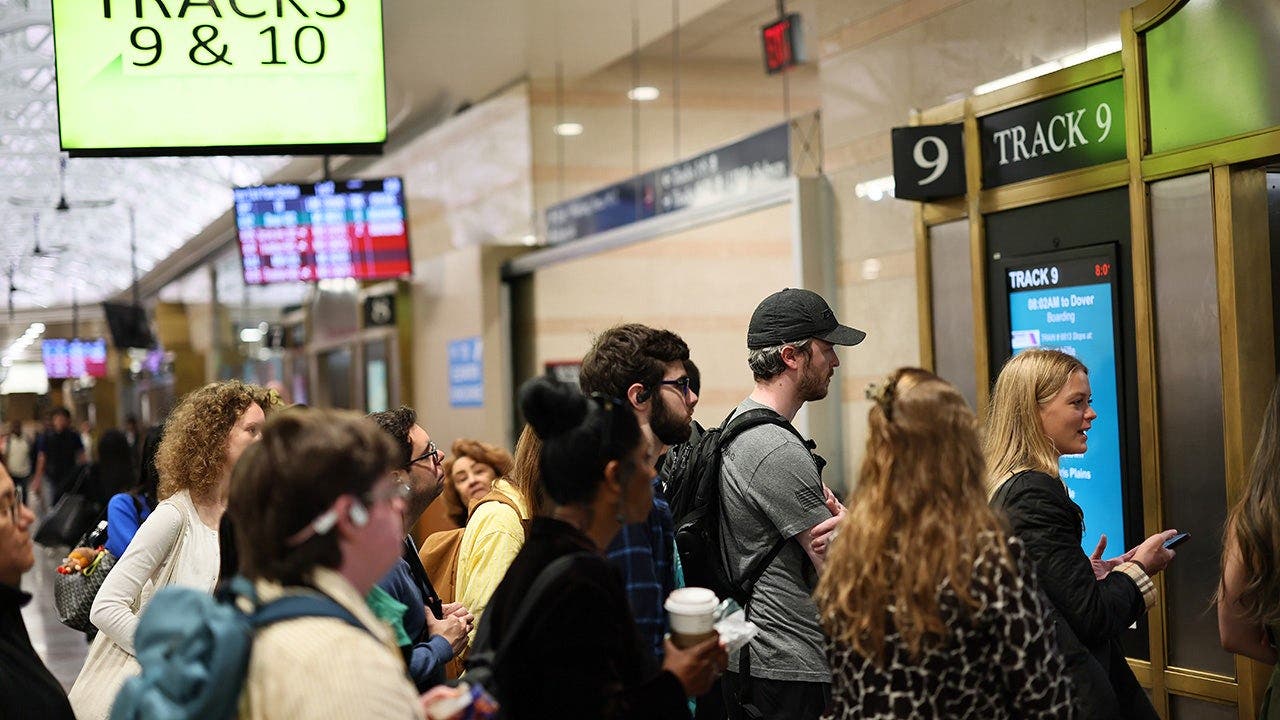
One of the most striking changes involves New Jersey's transit system. Currently, a typical NJ Transit train fare from MetLife Stadium in East Rutherford to New York Penn Station is just under $13. However, during World Cup matches, tickets for this route are expected to exceed $100. This dramatic price hike reflects the anticipated surge in demand and the need to cover additional operational expenses, including heightened security measures and extra service provisions. The exact pricing structure is still pending final approval, with authorities expected to announce details within the coming days. Notably, the increased fare will apply uniformly, with no discounts or special rates for seniors, children, or passengers with disabilities.
Massachusetts is also seeing a sharp rise in transit costs related to the World Cup. The Massachusetts Bay Transportation Authority (MBTA) recently announced that train tickets from Boston to Gillette Stadium will be priced at $80 during the tournament. In addition to the MBTA fares, the Boston Host Committee declared that bus tickets on the Yankee Line-a shuttle service to Foxborough-will cost $95. These elevated prices represent a significant increase from typical rates but are aimed at managing the influx of visitors expected for World Cup matches hosted in the region.
Beyond transportation costs, event organizers have imposed various restrictions to ensure safety and smooth operations during the tournament. One notable prohibition is the ban on tailgating at both Gillette Stadium and MetLife Stadium. Tailgating, a popular pre-game tradition involving outdoor socializing and grilling, will not be permitted at either venue. Furthermore, parking at MetLife Stadium will be restricted, despite the availability of thousands of parking spaces within the Meadowlands Sports Complex. These measures are part of a broader security strategy designed to handle the large crowds and maintain order during the high-profile soccer matches.
The financial burden of these preparations is substantial. Reports suggest that NJ Transit alone faces a potential $48 million tab to manage security and provide the necessary extra services for the World Cup. These costs are contributing factors behind the fare increases and operational changes. MetLife Stadium is slated to host eight matches during the tournament, including the highly anticipated final on July 19, underscoring the venue's critical role in the event.
In addition to transportation and stadium regulations, the city of New York has announced strict access controls at Penn Station on game days. Only ticket holders for the matches will be allowed to enter the NJ Transit section of the station, effectively limiting access to ensure crowd control and enhance security measures. This restriction is expected to cause significant disruptions for regular commuters who rely on Penn Station during these times.
To help offset the costs associated with hosting the World Cup, New Jersey lawmakers have proposed legislation to introduce surcharges on certain transactions in the Meadowlands District during the tournament period. The bill, sponsored by Senator Paul Sarlo (D-N.J.), would impose a 3% sales tax increase on retail goods, food and beverages, and event tickets from June 12 through July 21. Additionally, a 2.5% hotel surcharge would be implemented on stays booked within the same timeframe. These measures aim to generate additional revenue to support the infrastructure and services required for the event, though they have raised concerns about the overall affordability of attending World Cup matches in the region.
While the logistical and financial challenges of attending the 2026 World Cup are considerable, excitement remains high for the U.S. men's national team (USMNT), which is one of the tournament's top contenders. Historically, the USMNT has experienced mixed success in World Cup competition. After a strong showing in the inaugural 1930 tournament, where the team finished third, their best performance since then was reaching the quarterfinals in 2002. In recent tournaments, the team reached the Round of 16 in 2010 and 2014 but failed to qualify in 2018. Four years ago, the U.S. again advanced to the Round of 16, while last year's Copa América, held on home soil, saw the team eliminated in the group stage.
For the 2026 World Cup, the U.S. is placed in a group alongside Australia, Paraguay, and a yet-to-be-determined team that will emerge from a playoff. The U.S. enters the tournament as the highest-ranked team in this group, offering hope for a strong performance on home soil. The opening match for the U.S. team will take place on June 12 in Los Angeles against Paraguay, with the game set to be broadcast on FOX.
As fans prepare to root for the USMNT and enjoy the spectacle of the World Cup, they will need to navigate the challenges posed by increased travel costs, stricter stadium policies, and new surcharges. These changes reflect the broader complexities of hosting a global event of this magnitude and highlight the balance organizers must strike between accommodating fans and maintaining security and operational efficiency.
For ongoing updates and in-depth sports coverage related to the World Cup and other sporting events, Fox News encourages fans to follow their digital sports coverage on social media platforms such as X (formerly Twitter) and to subscribe to the Fox News Sports Huddle newsletter. This will provide timely information on ticketing, scheduling, and other important developments leading up to and during the tournament.