
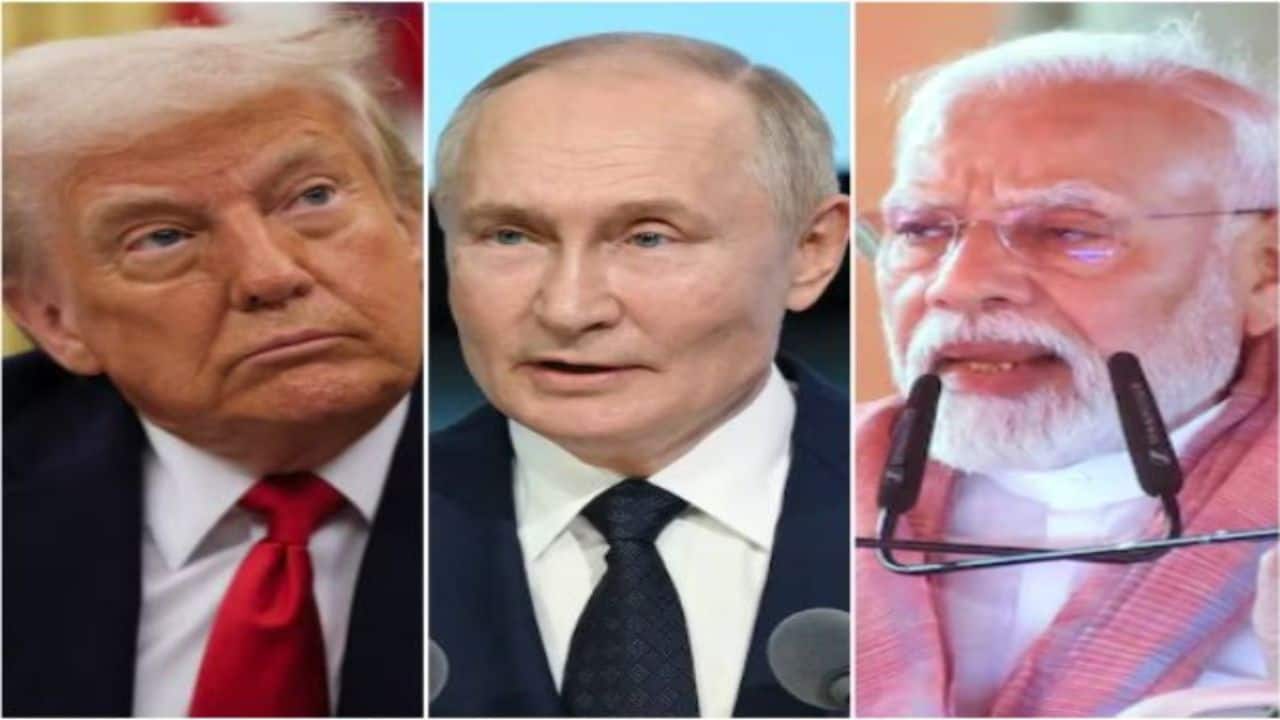
In a significant development for global energy markets and international relations, the United States Congress has revised a proposed sanctions bill targeting Russian energy imports, providing some relief to major buyers such as India and China. The legislation, originally introduced with severe tariff penalties, has been amended to reduce the maximum tariffs imposed on countries continuing to purchase Russian oil and natural gas. This adjustment reflects the complex geopolitical and economic considerations surrounding the ongoing conflict in Ukraine and the global dependency on Russian energy.
The proposed bill was initially introduced by bipartisan lawmakers, late Republican Senator Lindsey Graham and Democratic Senator Richard Blumenthal, with the primary objective of increasing economic pressure on Russia in response to its prolonged military actions in Ukraine. The original draft contained a stringent measure that threatened a punitive 500% tariff on any country importing Russian energy, a move that raised immediate concerns among major energy-importing nations, including India and China. These countries, along with Slovakia, Hungary, and Azerbaijan, constitute some of the largest buyers of Russian crude oil, making the initial tariff proposal potentially disruptive to their energy security and economic stability.
Following consultations and assessments, the revised version of the bill significantly lowers the maximum tariff rate to 100% for the top five purchasers of Russian crude oil, rather than the previously proposed 500% rate. This reduction aims to balance the intent of exerting pressure on Moscow's energy revenues-funds that are believed to support Russia's military operations in Ukraine-with the practical considerations of global energy markets and the economic realities faced by major buyers. The modification also seeks to prevent unintended consequences that could arise from excessively punitive tariffs, such as energy shortages or economic disruptions in the affected countries.
In addition to adjusting tariff rates, the updated legislation introduces an exemption clause for countries that import less than 15% of Russia's natural gas exports and are actively working to reduce these imports. This provision is particularly relevant for nations like Japan, France, Hungary, and Belgium, which are significant importers of Russian natural gas but have been taking steps to diversify their energy sources and reduce reliance on Moscow. The exemption recognizes the gradual transition efforts of these countries and provides a framework for diplomatic flexibility while maintaining the overall goal of the sanctions regime.
Despite the easing of tariff-related measures, the bill maintains several strict sanctions aimed directly at Russia. Key targets include the so-called "shadow fleet" of Russian oil tankers that operate beyond the oversight of Western maritime services, financial institutions such as the Central Bank of the Russian Federation, and major state-owned energy projects including Yamal LNG and the Arctic LNG 1, 2, and 3 initiatives. These sanctions are designed to restrict Russia's ability to circumvent Western restrictions and continue profiting from its energy exports, thereby limiting the resources available to sustain its military engagement in Ukraine.
An important feature of the revised bill is the inclusion of a presidential waiver clause, granting the U.S. President authority to waive sanctions if it is deemed in the national interest. This provision introduces a degree of executive discretion, allowing for adjustments in response to dynamic geopolitical situations and the broader strategic interests of the United States. The waiver mechanism reflects the complexities of enforcing international sanctions without compromising diplomatic flexibility or economic considerations.
Senator Graham, who had made the sanctions bill a major legislative priority, announced during a visit to Ukraine that an agreement had been reached with then-President Donald Trump to advance the sanctions proposal. This announcement came more than a year after the bill was initially introduced, signaling sustained bipartisan commitment to increasing pressure on Russia. Senate aides reported that the legislation had garnered 26 co-sponsors and anticipated further support, indicating a strong likelihood of passage in the near term.
The revised sanctions bill underscores the ongoing efforts by the United States to curtail Russia's economic capabilities amid the protracted conflict in Ukraine, which has persisted for over four years. Lawmakers supporting the bill argue that reducing Russia's revenue from energy exports is critical to limiting Moscow's ability to finance its military operations. The focus on energy trade is particularly significant given Russia's status as a major global energy supplier and the reliance of several countries on its oil and natural gas.
For India and China, both of which heavily depend on imported energy to fuel their growing economies, the revised tariff structure reduces the immediate threat of facing exorbitant penalties under the original proposal. Nonetheless, the bill continues to signal Washington's intent to apply economic pressure on countries maintaining substantial energy trade relations with Russia. This development places India and China in a delicate position as they navigate their energy needs alongside evolving geopolitical pressures.
The exemption for countries reducing Russian natural gas imports and the lowered tariff rates reflect a nuanced approach by U.S. lawmakers, seeking to maintain the sanctions' effectiveness while accommodating the energy realities of key global players. The balance struck in the revised bill highlights the challenges of implementing sanctions in a globally interconnected energy market, where unilateral punitive measures can have widespread economic and political repercussions.
In summary, the updated U.S. sanctions bill targeting Russian energy imports represents a calibrated effort to intensify economic pressure on Moscow while mitigating potential adverse impacts on major energy-importing nations. By lowering the maximum tariffs from 500% to 100% for top purchasers of Russian crude and providing exemptions for countries actively reducing natural gas imports, the legislation aims to uphold its strategic objectives within a framework of practical diplomacy and international cooperation. The inclusion of direct sanctions on Russian financial and energy entities, along with a presidential waiver clause, further illustrates the comprehensive and flexible nature of the U.S. approach to addressing the ongoing conflict in Ukraine.
The bill's progress through Congress, backed by bipartisan support and high-level endorsements, indicates a strong commitment within the United States to leverage economic tools in pursuit of geopolitical aims. For countries like India and China, the revised legislation offers a momentary reprieve from the most severe penalties, but the broader context signals continued scrutiny and pressure regarding their energy engagements with Russia.
As the situation develops, the international community remains attentive to the implications of these sanctions, balancing the pursuit of energy security, economic interests, and geopolitical stability. The U.S. initiative exemplifies the complexities of modern sanctions regimes, where economic measures intersect with global diplomacy, energy markets, and the enduring challenges of conflict resolution.