
Over thirty years after a tribal man was killed in a staged police encounter in Chhattisgarh, his family has finally received a glimmer of justice when the Chhattisgarh High Court directed the district administration to decide on their compensation claim within 45 days. This long-awaited development comes in the wake of a tragic incident that occurred in 1992, which has haunted the family and the local community for decades.
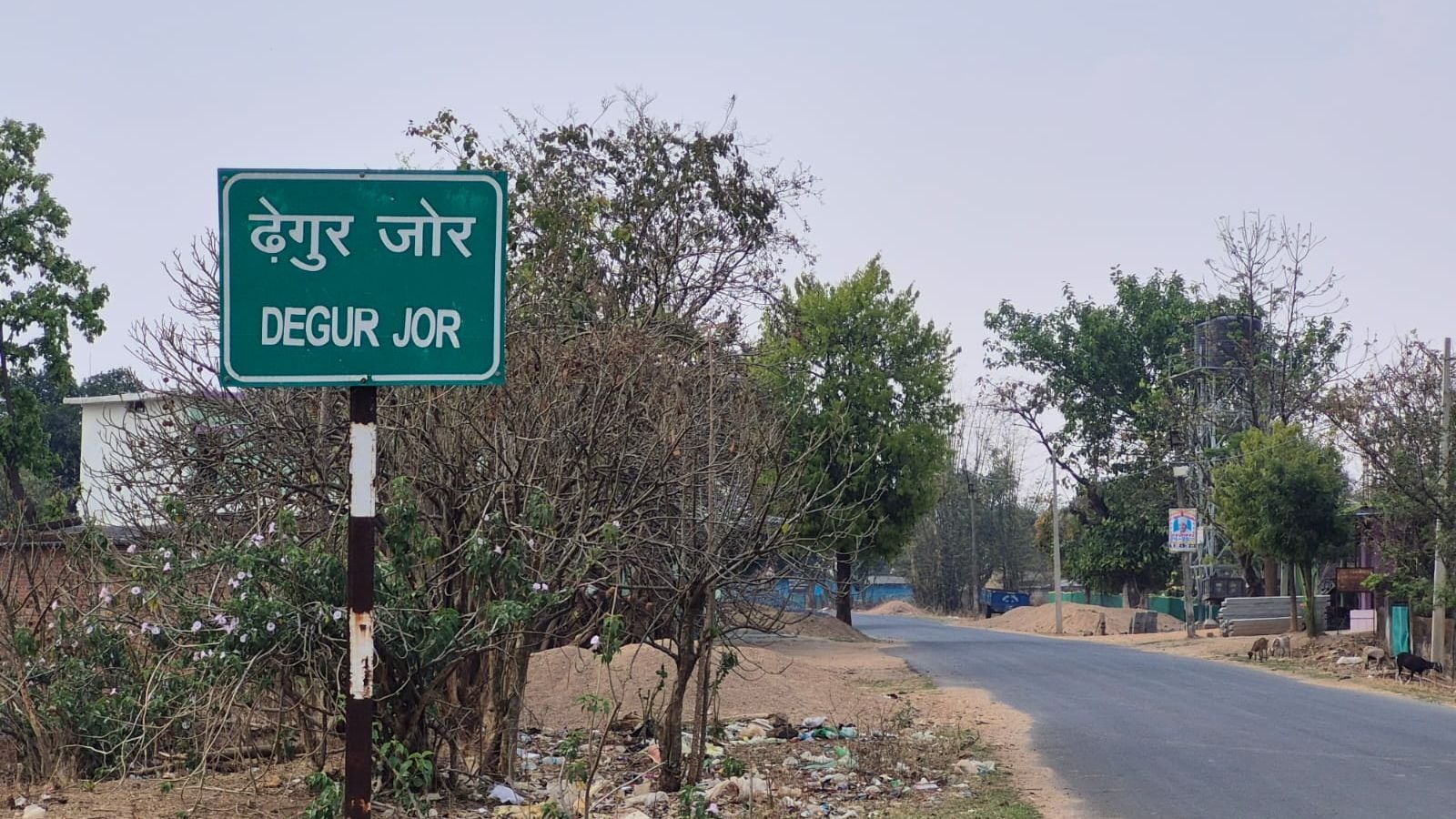
The incident in question took place on March 26, 1992, in Dengur Jor village of Jashpur district, located in the tribal heartland of Chhattisgarh. Ramnath Nagvanshi, a local tribal man, was shot dead by a team of police officers from the Kansabel police station. The police suspected him of being a Maoist insurgent, a charge that was later disproven. It was eventually established that Ramnath was innocent, and in 2002, six police personnel involved in the killing were convicted of culpable homicide not amounting to murder. Despite the convictions, the victim’s family struggled for years to receive any form of official compensation or acknowledgment of their suffering.
This year marked a significant turning point when Sanjho Bai, Ramnath’s widow, petitioned the Chhattisgarh High Court for compensation amounting to Rs 1 crore. She argued that all other avenues for justice and redress had been exhausted without success. Responding to the petition, Justice Naresh Kumar Chandravanshi ordered the Jashpur district collector to take a decision on the application within 45 days, signaling a potential end to the family’s decades-long fight for recognition and reparations.
In response to the court’s directive, Jashpur Collector Rohit Vyas stated that the district administration would reach out to the state government for guidance on the compensation package to be provided to the family. This step underscores the complexity often involved in cases related to fake encounters and police accountability in conflict-affected regions, where bureaucratic hurdles and political sensitivities frequently delay justice.
The story of Ramnath Nagvanshi is not merely one of a tragic death but also of the deep personal and social consequences his family endured in the aftermath. Ramnath’s brother, Rimnath Nagvanshi, a 62-year-old leader of the Communist Party of India (CPI) in the area, recounted the tragic day. According to him, Ramnath was killed while trying to help family members who had been arrested during a CPI meeting held in their village the day before the shooting.
Rimnath explained that after some CPI members, including himself, were detained, Ramnath and other relatives attempted to bring food and clothes to support those arrested. The police, however, forcibly pushed them away, which led to a scuffle. During this confrontation, the police opened fire, fatally wounding Ramnath. Rimnath alleged that the family was pressured to withdraw their complaint about the incident, but they refused, determined to seek justice despite the risks involved.
The consequences for Ramnath’s family have been harrowing. Besides losing their primary breadwinner, the family suffered further tragedies. Of Ramnath’s three sons, two have died, while the third was forced to abandon his education and now works as a laborer. Sanjho Bai, Ramnath’s widow, also works as a laborer to make ends meet. The family reportedly spent lakhs of rupees fighting the case, even selling two acres of land, and remains burdened by debt. Rimnath described Ramnath as the family’s guardian whose loss left an enduring void both emotionally and economically.
This case sheds light on the broader challenges faced by tribal communities in conflict zones like Chhattisgarh, where the Maoist insurgency has often led to violent encounters between security forces and suspected insurgents, sometimes resulting in gross human rights violations. Fake encounters, extrajudicial killings, and the lack of adequate compensation or rehabilitation for victims’ families have been persistent issues in the region. These incidents exacerbate the sense of injustice and marginalization felt by indigenous populations and hinder efforts towards peace and development.
Reporting on such sensitive issues requires a nuanced understanding of the local socio-political landscape, and journalists like Jayprakash S Naidu have been at the forefront of covering the complex realities of Central India. As a Principal Correspondent for The Indian Express and the state correspondent for Ch