
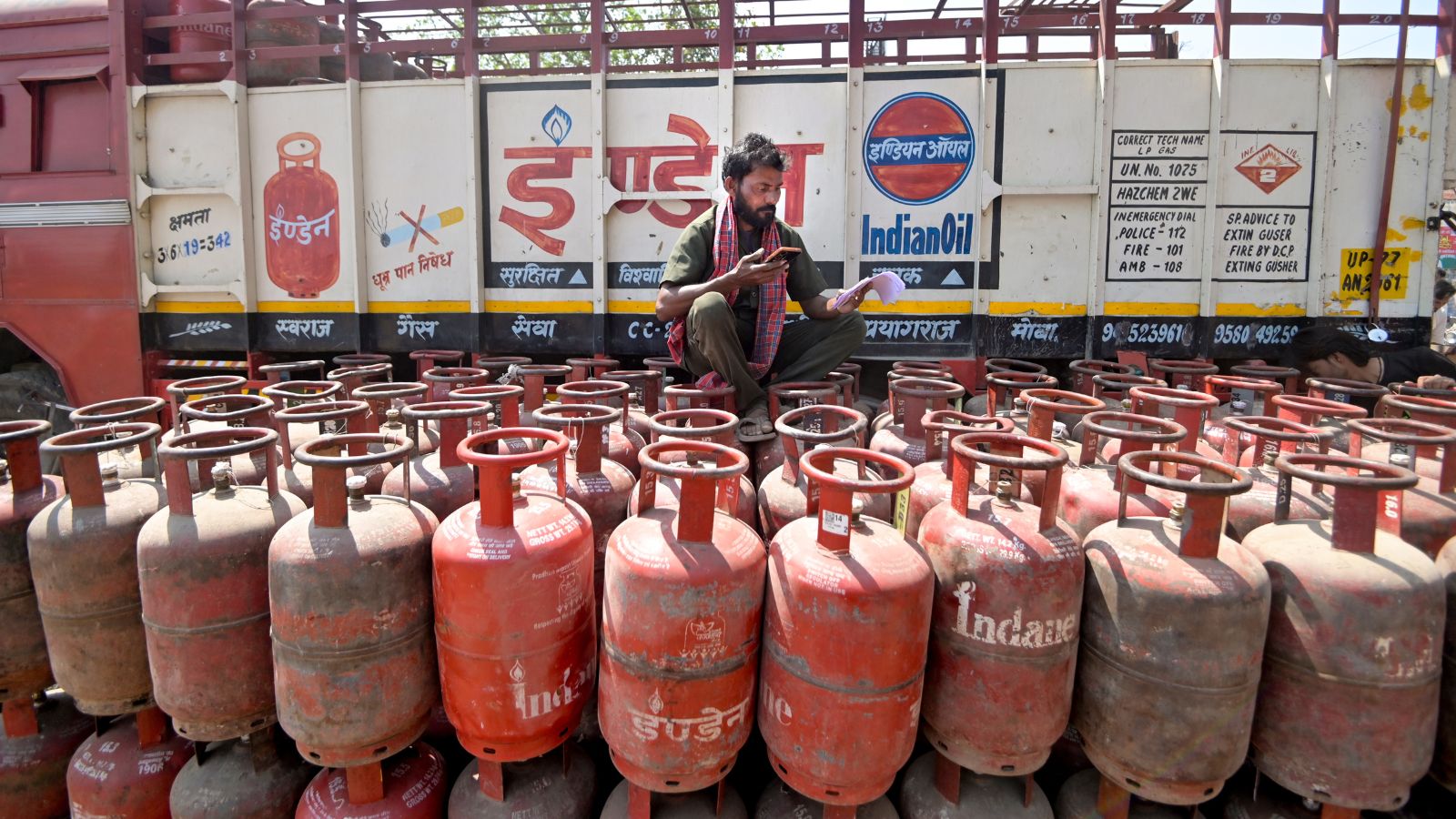
On Wednesday, March 25, the Government of India issued an important clarification regarding the booking timelines for LPG (liquefied petroleum gas) refills, aiming to dispel recent misinformation circulating on social media and in news reports. Contrary to some claims, there have been no changes to the existing LPG refill booking schedules, and the government reassured the public that there is ample LPG stock available across the country.
The Ministry of Petroleum and Natural Gas released an official statement addressing circulating rumors suggesting revised LPG refill booking norms. According to these rumors, the booking timelines had supposedly been altered to 45 days for connections under the Pradhan Mantri Ujjwala Yojana (PMUY), 25 days for non-PMUY single-bottle connections, and 35 days for non-PMUY double-bottle connections. This misinformation had caused unnecessary panic among LPG consumers, leading to concerns about potential shortages and prompting some to engage in panic buying.
Refuting these claims, the ministry firmly stated that no such revisions had been made. The existing refill booking timelines remain unchanged. Specifically, the minimum gap between two refill bookings continues as before: 25 days for all LPG consumers, regardless of whether they are PMUY beneficiaries or regular customers. The government urged citizens not to fall prey to unfounded rumors or share unverified information that could cause undue alarm or disrupt the LPG supply chain.
In addition to clarifying the booking timelines, the ministry assured the public that the country’s LPG stock levels are stable and sufficient. This reassurance came in the backdrop of recent developments at Indian ports involving the arrival of several crude oil and LPG carriers. Notably, the crude oil carrier Jag Laadki docked safely at Mundra Port in Gujarat last week, following the arrival of LPG carriers Shivalik and Nanda Devi on March 16 and March 17, respectively.
The arrival of these vessels is a positive sign of uninterrupted LPG and crude oil imports, which underpin the supply chain for cooking fuel across India. However, the journey of the Jag Laadki was marked by a tense episode while loading cargo at Fujairah Port in the United Arab Emirates (UAE) on March 14. Reports indicate that Iran allegedly attacked the oil terminal at Fujairah on the same day. Fortunately, there were no injuries or damage reported to the vessel or its crew, allowing the ship to continue its journey to India without disruption.
The government’s proactive communication and reassurances were timely in preventing further panic and helping consumers maintain confidence in the LPG supply system. The Ministry of Petroleum and Natural Gas continues to monitor the situation closely and encourages people to book LPG refills only as needed to avoid unnecessary strain on distribution networks.
Beyond these developments, it is worthwhile to understand the broader context in which such communications operate. The Indian Express’ Global Desk, known for authoritative and verified reporting on international affairs and policies affecting India and the world, plays a crucial role in disseminating accurate information on topics ranging from global politics and migration to energy security.
The Global Desk’s focus includes detailed coverage of migration policies in countries like the United States and Canada, touching on visa regulations, work permits, permanent residency pathways, and related court rulings. Their reporting adheres strictly to editorial standards emphasizing clarity, accuracy, and accountability, ensuring that readers can confidently navigate complex global systems.
The desk is staffed by seasoned journalists and editors with deep expertise in international affairs. Senior Assistant Editor Aniruddha Dhar brings extensive experience in global politics and editorial leadership, while Deputy Copy Editor Nischai Vats specializes in US visa and immigration policy. Sub-editor Mashkoora Khan contributes comprehensive coverage of Canada’s immigration and study permit policies. Together, their work helps contextualize global developments, including those affecting India’s energy security and economic stability.
In summary, the government’s recent clarification confirms that LPG refill booking timelines remain unchanged despite rumors to the contrary. The country continues to have adequate LPG supplies, supported by the safe arrival of key shipments at Indian ports. The government’s message aims to prevent panic buying and misinformation, ensuring the smooth functioning of the LPG distribution system that millions of Indian households rely on daily.
Consumers are advised to follow official communications from the Ministry of Petroleum and Natural Gas and avoid spreading unverified information. With continued vigilance and transparent updates, the government seeks to maintain public trust in essential services like LPG supply, which is critical for cooking fuel and energy security.
For ongoing updates and reliable information, readers are encouraged to follow official government channels