
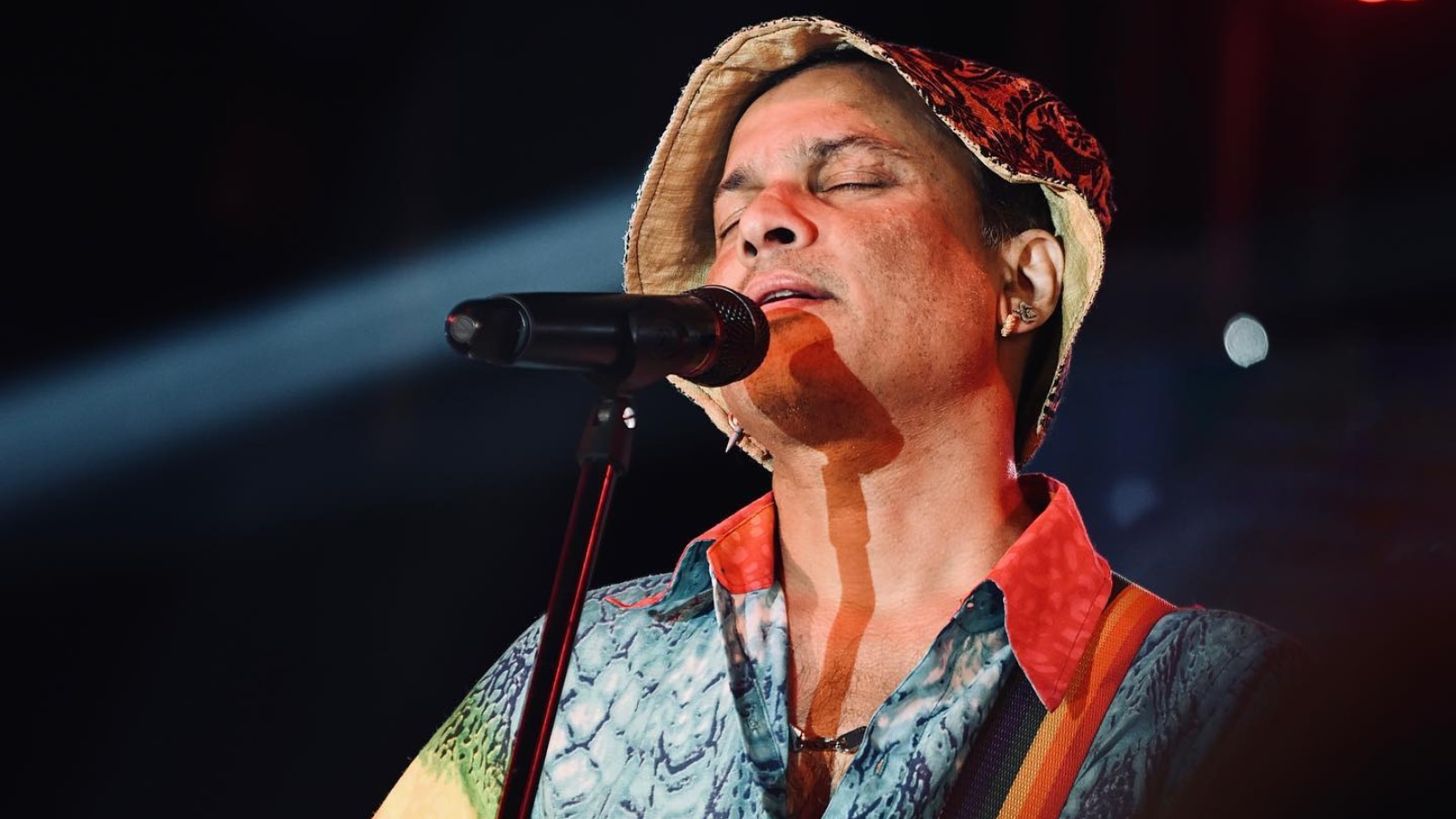
In a significant development surrounding the tragic death of Assam’s celebrated singer and cultural icon Zubeen Garg, a coroner’s inquiry in Singapore has concluded that the cause of his death in September 2025 was accidental drowning. The findings, delivered by State Coroner Adam Nakhoda, were reported by the Singapore-based Straits Times. After a thorough review of the evidence and testimonies, the coroner agreed with the conclusions drawn by the Police Coast Guard’s investigation, dismissing any alternative explanations.
Zubeen Garg, who was in Singapore as a cultural brand ambassador for the North East India Festival, passed away following a yacht outing organized by members of the Assam Association Singapore. The outing took place prior to the festival, during which Garg lost consciousness while swimming and was subsequently declared dead at the Singapore General Hospital. The official death certificate issued by Singaporean authorities listed drowning as the cause of death.
The inquiry’s findings were announced following several days of testimony and evidence examination. On January 14, Assistant Superintendent of Police David Lim from the Police Coast Guard testified that Garg had consumed alcohol during the yacht trip and had refused to wear a life vest before jumping into the water. Lim described how Garg became motionless while swimming, despite efforts from his friends to persuade him to return to the yacht. Importantly, Lim stated that there was no indication of suicidal intent nor any evidence of duress or coercion prior to Garg’s death.
Supporting this, the assistant to the yacht’s captain also testified the same day, confirming that no one had forced Garg to drink alcohol or enter the water. He further explained that all members of the group had been briefed on the requirement to wear life jackets before swimming, emphasizing that safety protocols were communicated clearly.
Despite the coroner’s ruling in Singapore, the situation remains complex due to ongoing legal proceedings in India. Assam police have charged four individuals with murder, alleging that Garg was deliberately made to consume excessive alcohol and was encouraged to swim under unsafe conditions. This case is currently being heard in a sessions court in Guwahati, Assam. To expedite the trial, a special fast-track court has been instituted to conduct daily hearings.
The coroner’s report shed light on the circumstances leading to Garg’s drowning, highlighting his physical state before the fatal swim. According to the findings, Garg appeared exhausted before taking his last swim. Initially, he jumped off the yacht wearing a life jacket but removed it in the water because it was too large. After a short swim, he seemed tired and required assistance to get back onto the yacht. The coroner noted that this exhaustion was apparent and significant.
Following this initial swim, Garg chose to join another man for a second swim but refused to wear a smaller life jacket despite being urged to do so. Video evidence reviewed during the inquiry showed that Garg’s swimming strokes resembled doggy paddling, a style indicative of fatigue or exhaustion rather than confident swimming. The coroner concluded that his efforts to swim were ultimately unsuccessful.
As Garg swam back toward the yacht, his pace slowed considerably, and he likely lost consciousness in the water. Witnesses, including other swimmers, rushed to his aid and attempted to assist him as best as they could. The inquiry found no evidence of any delay in administering first aid or in transporting Garg back to the mainland for hospital treatment.
This comprehensive investigation into the incident has brought some clarity to the circumstances of the beloved singer’s death, providing answers to many questions that have surrounded the case. However, the legal battle in Assam continues, reflecting the contrasting narratives between the Singapore authorities’ findings and the accusations made by local police in India.
Zubeen Garg’s death was a shocking and deeply felt loss, not just for Assam but for the entire Northeast of India and his many fans worldwide. Known for his contributions as a singer, composer, and cultural ambassador, Garg’s role extended beyond entertainment to representing the rich cultural heritage of Northeast India on global platforms. His presence in Singapore as a cultural brand ambassador for the North East India Festival underscored this commitment.
The ongoing trial in Guwahati will likely continue to attract widespread attention, given Garg’s stature and the serious nature of the charges against the accused. The fast-track court system’s decision to hold daily hearings reflects the urgency and public interest in resolving the case promptly.
In the midst of this legal and investigative complexity, journalists like Sukrita Baruah of The Indian Express continue to provide in-depth reporting on the developments. Based in Gu