
On March 26, 2026, the much-anticipated Special Cabinet meeting in Karnataka, which was scheduled to address the contentious issue of internal reservation among Scheduled Castes (SCs), was postponed to a date beyond April 9. This decision was prompted by the model code of conduct (MCC) that is currently in effect due to the upcoming bypolls for the Bagalkot and Davangere South Assembly constituencies, with voting set for April 9. The postponement reflects the government's adherence to electoral regulations that prohibit major policy decisions during the MCC period.
The Special Cabinet meeting had been convened to resolve differences over internal reservation within the 15% quota allocated for Scheduled Castes in the state's recruitment process. The Karnataka government has initiated recruitment to fill 56,432 posts and the question of how to distribute reservation benefits within the broad Scheduled Caste category has become a flashpoint. Various factions within the Dalit community have divergent views on this matter. The Dalit Left communities are advocating for internal reservation, which means subdividing the 15% quota further among different sub-communities within the Scheduled Castes. In contrast, the Dalit Right and the so-called "touchable" SC communities oppose this subdivision, fearing dilution of their share.
The postponement was announced shortly after a regular Cabinet meeting on Thursday evening, which was followed by an informal gathering led by Chief Minister Siddaramaiah. This informal meeting included ministers from both Dalit Right and Dalit Left groups. It is reported that Minister K.H. Muniyappa, a prominent leader from the Dalit Left faction, exerted pressure to convene the Special Cabinet meeting. However, the legal advice from Advocate-General Shashi Kiran Shetty was clear: proceeding with any decision on reservation during the MCC would violate electoral norms.
Law and Parliamentary Affairs Minister H.K. Patil spoke to the press following these developments. He explained that although there was room for discussion on the reservation issue, taking a final decision at this time would be futile given the restrictions imposed by the MCC. "The Cabinet decided that in view of the MCC, the Special Cabinet [meeting] will have to be deferred," Patil said. He also emphasized that the recruitment process would continue as per the official notification, which currently provides for a 15% reservation for Scheduled Castes without any internal reservation.
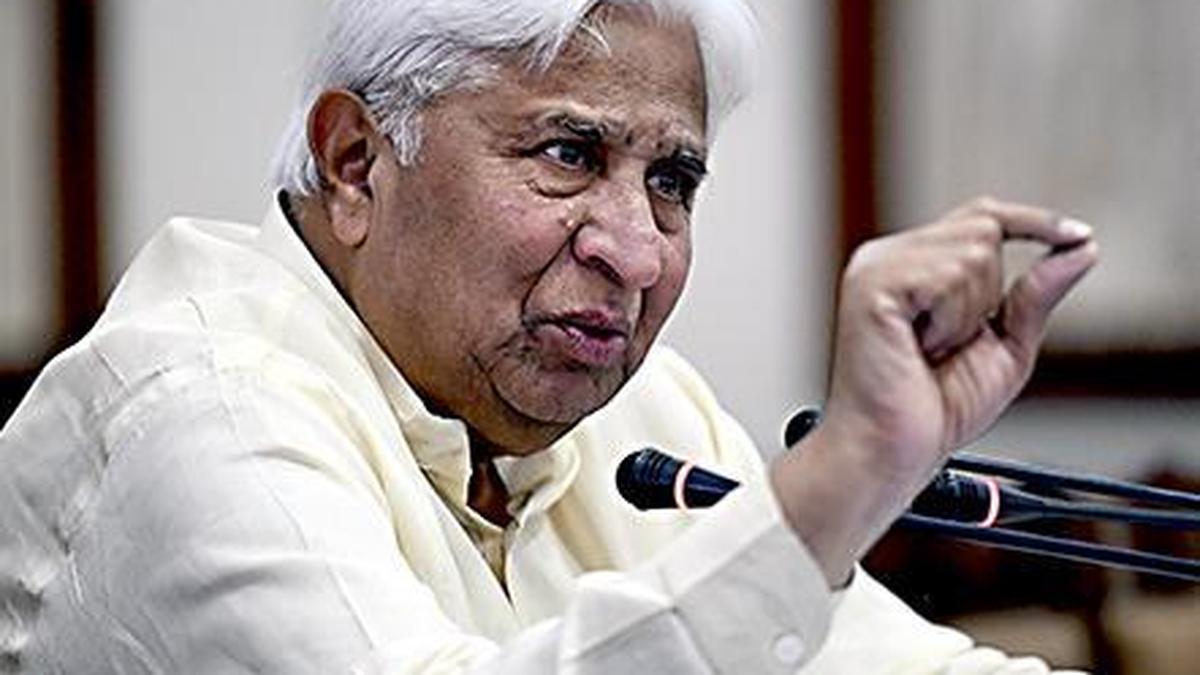
However, there appears to be some divergence within the Cabinet on how to proceed with recruitment during this period. Minister K.H. Muniyappa expressed a contrary view, stating that recruitment would not move forward without the implementation of internal reservation. According to Muniyappa, the government has not issued recruitment notifications precisely because of the MCC and the unresolved status of internal reservation. He reiterated the government's commitment to implementing internal reservation and appealed to community leaders to refrain from agitations until the Cabinet convenes again to make a final decision.
Muniyappa also revealed that he has been in communication with Chief Minister Siddaramaiah and Deputy Chief Minister D.K. Shivakumar on this matter. He assured that once the Cabinet reconvenes after the bypolls, a proportionate reservation system based on sub-classification within the Scheduled Castes would be put in place.
This issue of internal reservation within the Scheduled Castes quota has been a longstanding and sensitive one in Karnataka politics. The Scheduled Castes quota of 15% is a constitutional provision meant to ensure representation and opportunities for historically disadvantaged communities. However, the internal dynamics within the SC communities - which are not homogenous - have led to demands for further classification to ensure equitable distribution of benefits among various sub-groups. Proponents of internal reservation argue that it helps address disparities within the Scheduled Castes, giving more marginalized sub-groups their fair share. Opponents, however, worry that subdividing the quota could lead to fragmentation and reduce the overall benefit available to some communities.
The timing of this issue is significant as the state government is in the process of recruiting for more than fifty thousand posts, a major employment opportunity for SC candidates. Any resolution on internal reservation will directly affect how these jobs are allocated. The MCC's imposition due to the impending by-elections has added another layer of complexity, preventing the government from taking decisions that could influence voter sentiment.
The postponement of the Special Cabinet meeting thus reflects both the political sensitivity of the internal reservation issue and the legal constraints imposed by the electoral process. While the government has expressed commitment to implementing internal reservation, it must now wait until after the bypolls to proceed. This delay aims to ensure compliance with the Election Commission's guidelines and avoid any accusations of political maneuvering during the election period.
In summary, Karnataka's government has deferred a critical meeting on internal reservation among Scheduled Castes until after April 9, the date of legislative bypolls. The postponement follows legal counsel that taking a decision now would breach the model code of conduct. The Cabinet remains divided on how to proceed with recruitment under the current reservation framework, with some ministers advocating continuation as per existing rules, while others insist that recruitment should await the implementation of internal reservation. The government has reassured the communities involved that the issue will be addressed in a proportionate manner once the electoral process concludes, and has called for calm and patience until then. This episode highlights the intricate balance between social justice measures, electoral laws, and political considerations in Karnataka's governance.