
The National Basketball Players Association (NBPA) has called for a reevaluation of the NBA’s 65-game eligibility rule that determines whether players qualify for end-of-season awards such as the NBA Most Valuable Player (MVP). The current rule requires players to appear in at least 65 regular-season games to be considered for top honors. However, the union argues that this regulation is overly rigid and unfairly penalizes players who miss games due to significant injuries.
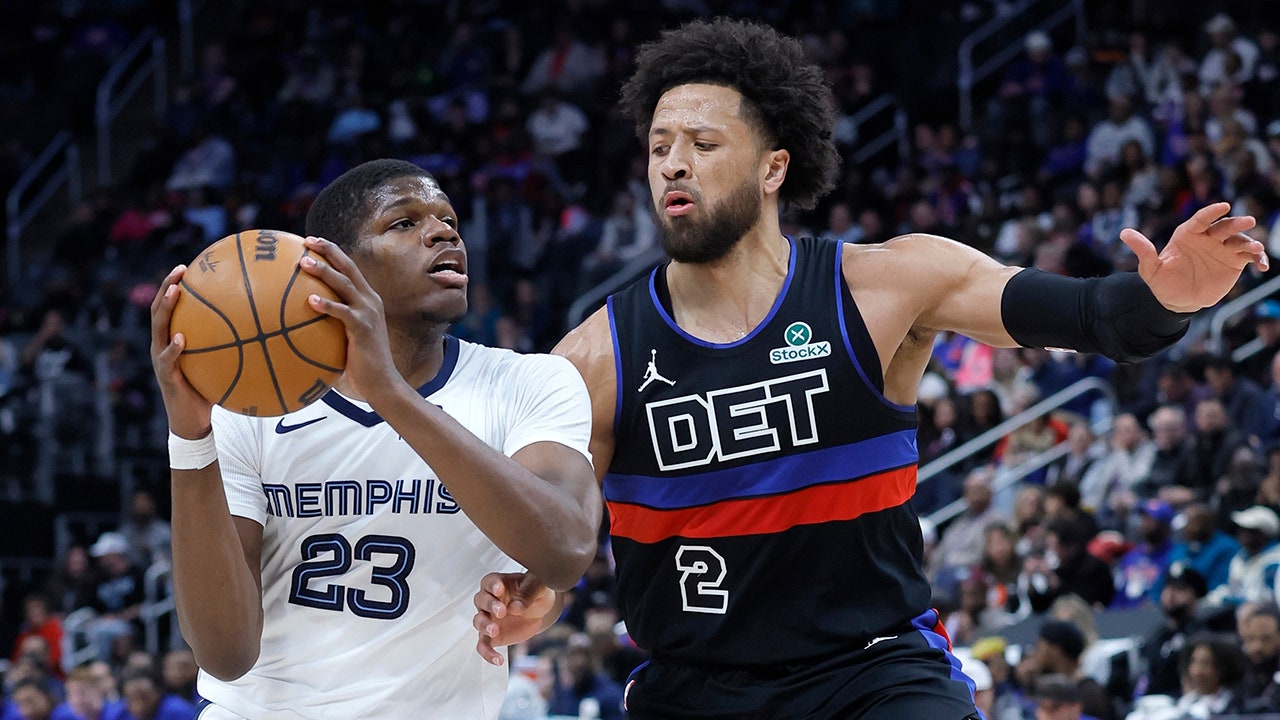
A prominent example fueling this debate is Detroit Pistons star Cade Cunningham, who emerged as a strong MVP candidate this season but is currently sidelined with a collapsed lung. Because Cunningham may not reach the 65-game threshold, he risks being excluded from award consideration despite his outstanding performance when healthy. The NBPA highlighted his situation as a clear indictment of the 65-game rule and called for either abolishing it or creating exceptions for players who miss games due to major injuries. They emphasized that since the rule’s implementation, many deserving players have been unjustly disqualified from postseason honors because of what the union describes as an “arbitrary and overly rigid quota.”
The issue extends beyond Cunningham. Several other high-profile NBA stars have missed enough games to fall below the eligibility mark, including some of the league’s biggest names. Los Angeles Lakers’ LeBron James, Milwaukee Bucks’ Giannis Antetokounmpo, and Golden State Warriors’ Stephen Curry have all been sidelined for stretches this season, rendering them ineligible for the All-NBA teams under the current rule. Similarly, injury setbacks have affected San Antonio Spurs’ Victor Wembanyama and Denver Nuggets’ Nikola Jokic, both of whom have been strong MVP contenders but are also approaching ineligibility due to missed games.
The debate surrounding the 65-game rule touches on a broader discussion about how the league manages player health and load management. The NBA instituted the rule in October with the intention of discouraging players and teams from resting athletes excessively during the regular season. The goal was to place greater emphasis on regular-season performance and ensure that players contribute consistently throughout the year. The rule also has financial implications, as it may affect players’ eligibility for lucrative supermax contracts based on their award recognitions.
Players themselves have expressed mixed feelings about the rule. Cleveland Cavaliers star Donovan Mitchell acknowledged the rationale behind the 65-game requirement but pointed out that many factors influencing missed games are beyond players’ control. “It’s for the right reasons, but it’s tough,” Mitchell said. “We get paid money to be out there, but there’s certain things you can’t control. It’s not like guys are resting and missing these games. These are legitimate injuries, so it’s something to look at for sure because there’s no way certain guys should be in this scenario.” His comments highlight the tension between the league’s desire to limit rest periods and the reality of injuries that can derail even the most durable players.
Kevin Durant offered a more measured take on the rule back in 2024, expressing indifference but emphasizing the importance of player health. “I just want guys healthy and on the court too. I guess that’s what the solution is, try to get guys to stay on the court,” Durant said. “It’s just something we’ve got to deal with. I won’t say I love it, or I hate it either, but it’s just something we’ve got to deal with.” Durant’s perspective underscores the complexity of balancing competitive fairness with player welfare.
The current controversy has also drawn attention to some of the season’s most impressive individual performances. For instance, Victor Wembanyama of the San Antonio Spurs has been building an MVP case as his team clinched their division and ended a playoff drought. However, his injury issues threaten his eligibility for awards under the 65-game rule. Similarly, Nikola Jokic, the Denver Nuggets’ star center and perennial MVP candidate, has faced injuries this season that put his award qualifications at risk despite his top-tier play.
The NBPA’s push for reform reflects a broader conversation about how the NBA values player contributions and manages health in a physically demanding sport. Critics of the 65-game rule argue that it fails to account for legitimate injuries and unfairly punishes players who perform at an elite level when on the court. Supporters, on the other hand, maintain that the rule helps maintain the integrity of the regular season by discouraging load management strategies that can diminish the product for fans.
As the NBA