
On March 25, 2026, amid growing concerns and widespread rumours regarding fuel shortages across several Indian states, authorities and officials from various government departments and oil companies stepped forward to clarify the situation and assure the public of stable fuel supplies. The backdrop to these developments is a complex interplay of geopolitical tensions in West Asia, supply chain disruptions, and efforts by the Indian government to expand its energy infrastructure, particularly in the domain of piped natural gas (PNG).
The Ministry of Petroleum and Natural Gas (MoPNG) was quick to dispel rumours of any increase in petrol and diesel prices or shortages in supply. Joint Secretary Sujata Sharma emphasized that no price hikes have occurred and underlined the government’s efforts to ensure commercial LPG availability, noting that 22,000 tonnes of commercial LPG have been distributed across 26 states to date. Moreover, a significant push to expand piped natural gas connections has been evident, with 2.5 lakh new PNG connections sanctioned in the past 25 days alone. The Ministry also made it clear that LPG supplies to households would be discontinued in areas where PNG connectivity is available, a move aimed at accelerating the transition to cleaner and more efficient fuel sources and reducing dependence on LPG.
This official reassurance came at a time when panic buying had surged in states like Telangana and Goa, triggered by rumours of fuel scarcity. In Telangana, for example, queues at fuel stations swelled dramatically, and petrol and diesel sales reportedly tripled temporarily. The Telangana Petroleum Dealers Association (TPDA) and Civil Supplies Commissioner M. Stephen Raveendra both confirmed that stocks remain ample and supply chains are intact. The Telangana government condemned the rumours as baseless and urged citizens to avoid panic buying, which had only led to temporary stock shortages at some stations. Similarly, Goa’s Chief Minister Pramod Sawant dispelled fears of LPG and petroleum shortages, appealing to the public not to succumb to panic.
These local developments echoed similar reassurances from officials in other states. Madhya Pradesh’s Food, Civil Supplies and Consumer Protection Minister, Govind Singh Rajput, affirmed that petrol and diesel supplies were sufficient and called on citizens to desist from panic purchasing. The Hyderabad District Collector, Harichandana Dasari, also reiterated that there was no fuel shortage in the district, urging people to trust official information and avoid contributing to unnecessary congestion and anxiety.
Amid this domestic backdrop, the geopolitical situation in West Asia remains a significant factor influencing India’s energy security. The ongoing conflict, particularly involving Iran, has disrupted crude oil, natural gas, and LPG supplies from the Gulf region to India. However, recent developments have offered cautious optimism. Reports emerged that the United States had sent a 15-point ceasefire plan to Iran, suggesting a potential month-long truce that could pave the way for the resumption of oil exports from the Persian Gulf. U.S. President Donald Trump expressed optimism about progress in negotiations, and Iran announced it would allow “non-hostile” oil vessels to transit the vital Strait of Hormuz, a major artery for global oil shipments. These diplomatic overtures helped ease fears and contributed to a decline in global oil prices by more than 5% on the day, with Asian stock markets also showing gains.
Within India, the government has been actively pursuing measures to bolster energy security. Union Minister Dharmendra Pradhan urged his cabinet colleague, Hardeep Singh Puri, and the Odisha Chief Minister to expedite the implementation of a Strategic Petroleum Reserve (SPR) project in Jajpur district, Odisha. The proposed SPR, with a capacity of 4 million metric tonnes, aims to provide a buffer against future supply shocks by stockpiling crude oil reserves. This initiative has gained urgency in light of supply disruptions caused by the West Asia conflict.
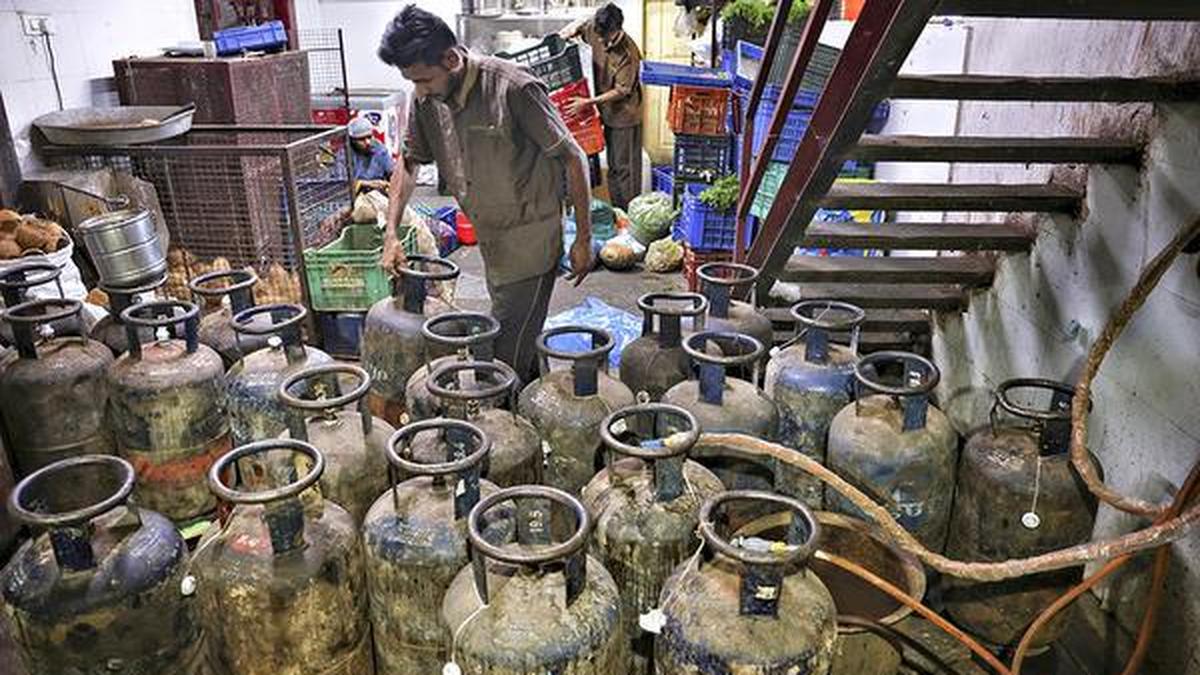
Amid these efforts, enforcement agencies have been vigilant against illegal activities that could exacerbate supply issues. The Madhapur police intercepted a consignment of 31 commercial gas cylinders being transported without proper authorization, a move intended to prevent black marketing and ensure public safety. This crackdown comes as part of broader government attempts to maintain order and regulate fuel distribution amid rising public anxiety.
The Indian Oil Corporation (IOC) also played its part in calming public fears. Chairman Arvinder Singh Sahney urged citizens to avoid trusting unverified rumours and discouraged panic buying, assuring that all IndianOil outlets across the country were well-stocked and operating normally. Reaffirming the same, major Oil Marketing Companies (OMCs) issued statements declaring the