
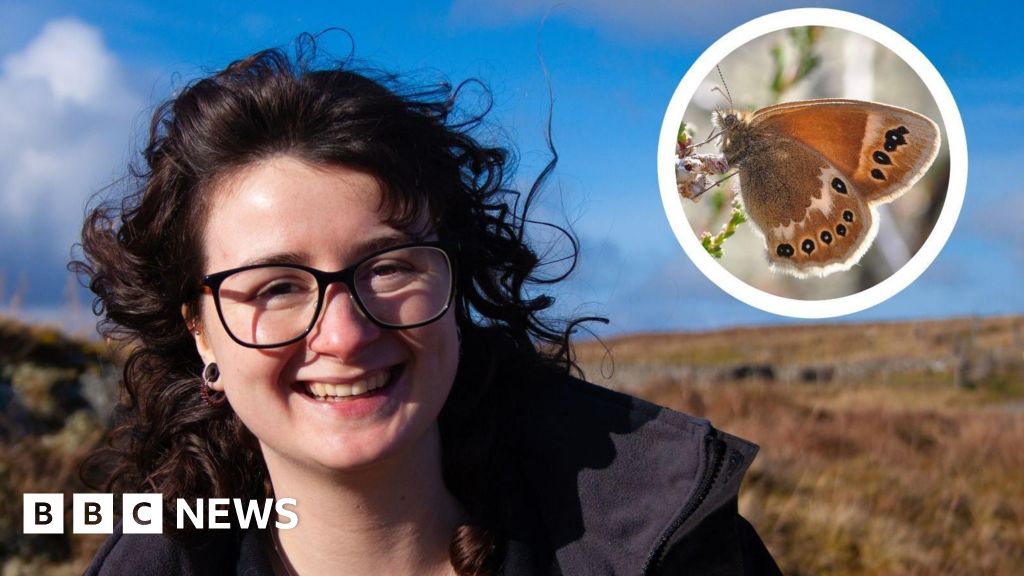
A conservationist in Wales is spearheading a pioneering study to explore whether butterflies, specifically the endangered large heath butterfly, can serve as an early warning system—or a new "canary in the coal mine"—for the effects of climate change on fragile peatland ecosystems. Georgina Paul, affiliated with Butterfly Conservation, is currently midway through a two-year research project focused on assessing peatland health by monitoring populations of this distinctive butterfly species across Wales’ wetlands.
Peat bogs, the primary habitat for the large heath butterfly, are vital carbon stores when they remain waterlogged. They act as natural reservoirs, locking away vast amounts of carbon that would otherwise contribute to greenhouse gas emissions if released. However, rising global temperatures threaten to dry out these peatlands, causing them to release stored carbon and exacerbate climate change. Georgina’s research aims to link the health of peat bogs with the presence and abundance of the large heath butterfly, establishing it as a reliable indicator species for the condition of these important habitats.
Based near Blaenau Ffestiniog in Gwynedd, Georgina has been conducting extensive surveys since the project’s launch last year. Her work involves counting large heath butterfly populations across hundreds of square kilometers of peat bogs, covering all protected areas where the butterfly is known to exist. The study area includes several key sites such as Cors Caron near Tregaron in Ceredigion, Afon Eden in Gwynedd, the Berwyn Range in northeast Wales, and the Fenn’s, Whixall and Bettisfield Mosses National Nature Reserve close to the Wrexham-Shropshire border.
“Peat bogs are weird and wonderful places,” Georgina explains. “They support fascinating wildlife, from carnivorous plants to butterflies like the large heath and moths such as the emperor moth. But beyond biodiversity, these habitats are crucial in tackling the global challenge of climate change because they keep carbon locked in the ground.” She stresses the potential for volunteers to play a vital role in conservation efforts, noting that if the large heath butterfly proves to be a dependable measure of peatland health, citizen scientists won’t need technical expertise to contribute valuable data. By simply counting butterflies during summer surveys, volunteers can help track environmental changes and guide future protection strategies.
The large heath butterfly is a striking insect with chestnut-colored wings marked by bold black spots. It is closely tied to wet habitats in northern Britain, Ireland, and select areas in Wales and central England. The species’ caterpillars rely exclusively on a single plant—hare’s-tail cottongrass—that only thrives in peat bog environments. Unfortunately, the large heath has suffered severe population declines across England and Wales throughout the 20th century, primarily due to habitat destruction and degradation. Today, it is classified as endangered, highlighting the urgency of conservation efforts.
To support the monitoring work, volunteers are being trained to conduct regular butterfly counts. These involve weekly walks along fixed transects, allowing for consistent data collection and tracking of population trends over time. Georgina’s research also focuses on evaluating whether ongoing peatland restoration projects are benefiting the large heath butterfly by improving habitat conditions. She hopes the findings will provide landowners and conservation managers with robust evidence to guide effective peat bog management.
The study prioritizes sites where restoration activities—such as rewetting drained peatlands—have already been implemented. In addition to traditional survey methods, the project is experimenting with drone technology to map peat bog habitats and identify key plant species more efficiently. This innovative approach could enhance the speed and accuracy of monitoring efforts in the future.
Financial support for the project comes from the Welsh government, which has allocated £249,000, supplemented by lottery funding. The initiative also involves collaboration with major conservation organizations including the Royal Society for the Protection of Birds (RSPB), the National Trust, and Natural Resources Wales (NRW). However, many peatlands remain under private ownership, presenting additional challenges for coordinated conservation and restoration work.
Georgina acknowledges significant knowledge gaps, noting that some sites have lacked butterfly records for over 25 years. She remains optimistic about the project’s potential, especially when weather conditions allow frequent field visits. “If we get glorious summer weather, I can visit sites five days a week,” she says, underscoring the importance of consistent monitoring.
Peatland restoration is a critical component of the project’s broader conservation goals. This process involves repairing damaged peat bogs and restoring their natural, waterlogged state