
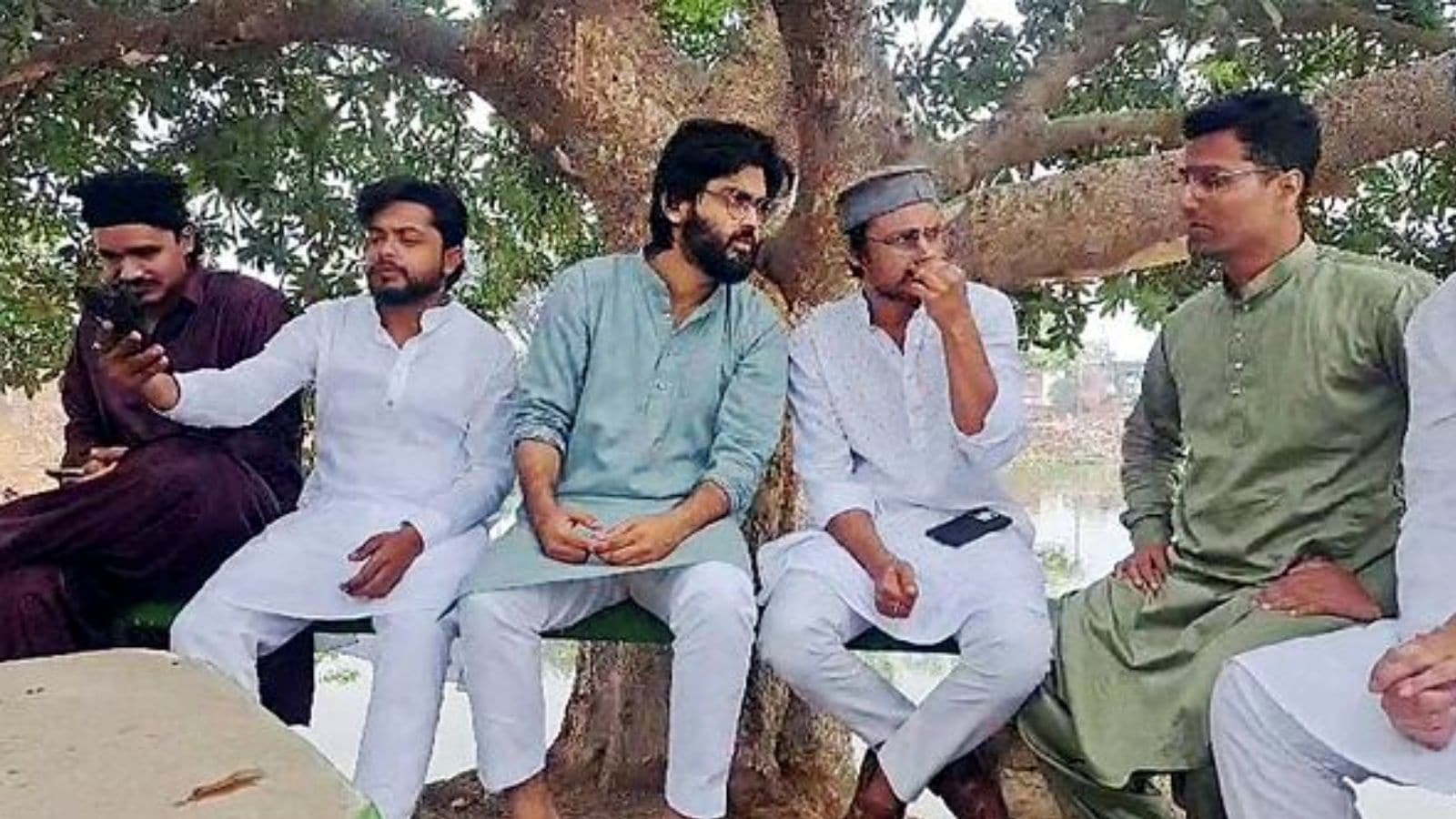
Sharjeel Imam’s family recently experienced a rare moment of joy when the festival of Eid, originally scheduled for March 20, was postponed by a day, allowing Sharjeel to return home to Kako village in Bihar’s Jehanabad district for the first time in six years. Sharjeel, who has been held under the stringent Unlawful Activities Prevention Act (UAPA) charges, was granted interim bail and arrived late on the night of March 20 from Delhi, accompanied by his younger brother Muzammil Imam. This unexpected turn of events brought a much-needed respite to a family long strained by legal battles and personal hardships.
For Sharjeel, who left his village as a school student to pursue higher education, Eid and Bakrid were traditionally the two occasions he ensured he returned home. However, after his arrest in January 2020, those visits ceased. The court granted him an 11-day bail reprieve on March 9, citing the ailing health of their mother and Muzammil’s impending wedding as reasons for the temporary release. This brief reunion was set against the backdrop of ongoing legal restrictions that prohibit Sharjeel from interacting with the media, posting on social media, or engaging in any political activities.
At home, amid the lively haldi ceremony preparations for Muzammil’s wedding, the younger brother took charge of managing guests, including relatives who had come to meet Sharjeel during his short stay. Muzammil is also overseeing the construction of the family home, which began a month earlier, coordinating masons, furniture deliveries, and decorators. Sharjeel, meanwhile, remained secluded in an inner room, away from public view, underscoring the seriousness of his situation.
The bond between the two brothers is profound. Sharjeel is nearly three years older than Muzammil and is his only sibling. Since their father’s death in 2014, Muzammil has had to shoulder many responsibilities, including managing his own wedding largely on his own. Their mother’s health has been fragile, adding to the family’s worries. An uncle describes Sharjeel as “a very free person” before their father passed away, after which he embraced the role of the elder sibling, supporting the family through scholarships and freelance work, and helping Muzammil with his education.
Sharjeel’s arrest in 2020 marked a difficult turning point for the family. The uncle recalls that the family struggled financially and emotionally, living “hand to mouth” and making frequent trips to court. Muzammil devoted the past six years to supporting his brother through these challenges. Recognizing the toll on the family, relatives encouraged Muzammil to marry, hoping a daughter-in-law would help care for their mother and manage household affairs while he focused on the ongoing legal struggles.
Muzammil himself is an educated young man, holding a postgraduate degree in mass communication from a university in Noida. Though he briefly worked as a trainee production assistant, he has recently become active in politics and social issues, demonstrating a commitment to public service that complements his brother’s academic and activist pursuits.
The family’s story is deeply rooted in Kako, a village where Muslims constitute about 10% of the population. Despite being a minority, Sharjeel’s family is known locally for their hard work and upward mobility. Their grandfather was a small trader, but their father, Akbar Imam, was determined to provide his sons with a “top-notch” education. Akbar moved to Patna and even tried his hand at politics, running unsuccessfully for the state Assembly twice — once as an Independent candidate and once for the JD(U). Despite his electoral defeats, he earned respect from prominent political leaders in Bihar.
Financial constraints were a constant challenge for the Imam family. Muzammil recalls years when their parents had to forgo new clothes for Eid just to afford school fees. One vivid memory from their childhood is their fascination with Action brand shoes, which their father consistently discouraged them from buying in favor of cheaper, sturdier alternatives.
Sharjeel’s academic brilliance was evident early on. By Class 8, he was solving mathematics problems meant for Class 12 students. After attending St. Xavier’s School in Patna, he moved to Delhi to complete his schooling. To afford coaching for competitive exams, Sharjeel earned a significant discount by ranking second in a fee-based test. His hard work paid off when he cleared the IIT entrance exam on his first