
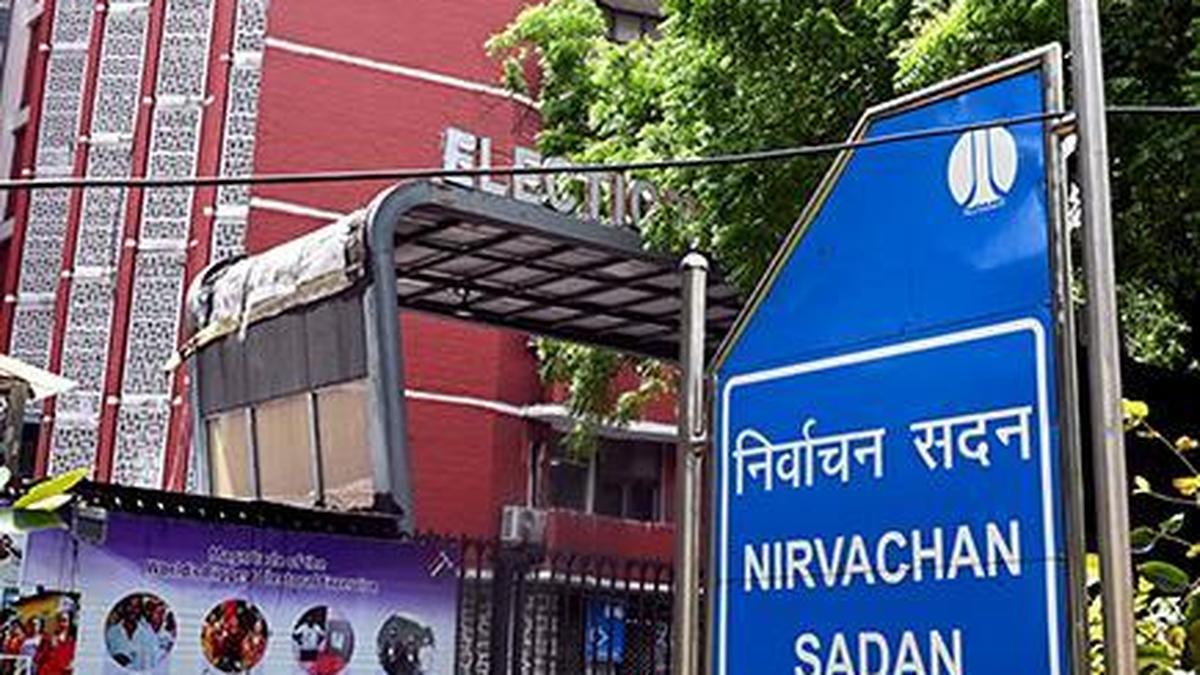
On March 25, 2026, the Election Commission of India took disciplinary action against seven paramilitary personnel deployed in West Bengal’s Murshidabad district for allegedly attending an iftar party during the holy month of Ramzan, an act that violated established guidelines for election duty. This incident occurred amid the ongoing preparations and heightened vigilance surrounding the upcoming West Bengal Assembly elections, scheduled to be held in two phases on April 23 and April 29, with the results to be declared on May 4.
According to senior officials from the Election Commission, the seven personnel were found to have attended a social gathering—an iftar party—approximately a week prior to the announcement. The alleged event took place in Nimtita, a locality within Murshidabad district, and was reportedly hosted by the husband of a local panchayat pradhan (village council head). Photographs from the gathering surfaced on social media platforms, quickly drawing the attention of the poll panel and prompting an inquiry.
Strict guidelines govern the conduct of paramilitary forces during election duties, emphasizing the need for absolute neutrality and non-involvement in local social or political activities. The Election Commission official clarified that personnel deployed for election duty are expressly prohibited from attending social functions or accepting hospitality from local individuals or political stakeholders. These rules are designed to ensure the forces remain impartial and maintain public confidence in the fairness of the electoral process.
In response to the viral images and subsequent inquiries, the personnel involved denied any wrongdoing. They stated that the iftar event had been organized within the confines of a Border Security Force (BSF) camp, with local representatives invited to attend, rather than the personnel visiting a private social gathering outside. Despite these claims, the Election Commission initiated a departmental inquiry to ascertain the facts. Following the investigation, disciplinary measures were enforced according to the rules governing paramilitary forces.
As part of the disciplinary action, two of the personnel were placed under the custody of the central forces, and the remaining five were transferred out of West Bengal. This decisive response underscores the Commission’s commitment to maintaining strict discipline among security forces deployed in sensitive election environments.
The ongoing West Bengal Assembly election is a significant political event, with 294 seats up for grabs. Given the high stakes, the Election Commission has implemented rigorous monitoring mechanisms to oversee the deployment and conduct of central forces in the state. These include the use of GPS tracking devices and body cameras to monitor the movements and activities of paramilitary personnel in real time. Such measures are intended to prevent any misuse or inappropriate involvement by security forces in the electoral process.
An official from the Election Commission emphasized that the Commission is closely scrutinizing the deployment to ensure that the forces are utilized properly. This includes monitoring their route marches, physical presence, and interactions on the ground. The goal is to guarantee that the central forces remain neutral actors who contribute to a free and fair election environment, without any bias or partiality toward local political figures or groups.
The incident involving the iftar party and the subsequent disciplinary action reflect the heightened vigilance exercised by the Election Commission in West Bengal. The state has historically witnessed intense political competition, and maintaining the integrity of the electoral process remains a top priority for the authorities.
In summary, the Election Commission’s swift action against the seven paramilitary personnel found to have allegedly breached conduct rules during election duty highlights the seriousness with which the Commission approaches the enforcement of election code of conduct among security forces. The measures taken reinforce the principle that personnel must remain detached from local social and political events to uphold the legitimacy of the electoral process.
With the West Bengal Assembly elections approaching, the Election Commission’s enhanced oversight and strict disciplinary standards are integral to ensuring that the polls are conducted in a transparent, impartial, and fair manner. The Commission’s use of advanced monitoring technologies and proactive investigations serve as critical tools in safeguarding the democratic process in one of India’s most politically significant states.