
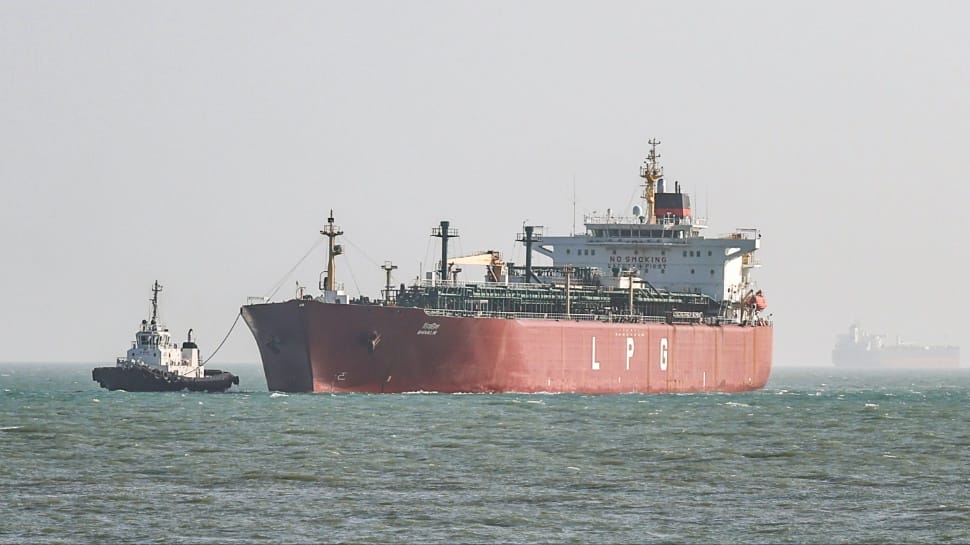
The Indian government continues to maintain vigilant monitoring of developments in the Gulf and West Asia regions, prioritizing the safety, security, and welfare of the Indian community amidst ongoing geopolitical tensions. This comes as the situation in the western Persian Gulf remains sensitive due to disruptions affecting maritime routes, particularly the critical Strait of Hormuz.
Currently, twenty Indian-flagged vessels carrying a total of approximately 540 Indian seafarers are positioned in the western Persian Gulf region. The Ministry of Ports, Shipping and Waterways has implemented comprehensive measures to safeguard these vessels and their crew members. According to official statements, all Indian seafarers in the area are safe, with no incidents involving Indian-flagged ships reported in the past 24 hours. The Directorate General of Shipping (DG Shipping) is closely overseeing the situation, coordinating efforts with ship owners, Recognised Private Security Agencies (RPSL agencies), and Indian Missions to ensure continuous monitoring and rapid response if needed.
In addition to monitoring seafarers abroad, DG Shipping has actively facilitated the safe repatriation of Indian seafarers affected by the conflict. To date, more than 938 Indian seafarers have been safely brought back to India, including 25 in the last 24 hours alone. This reflects the government's commitment to protecting its nationals working at sea and ensuring their welfare during this period of heightened risk.
Despite regional tensions, port operations across India continue to function smoothly without congestion or disruption. State Maritime Boards of Gujarat, Maharashtra, Goa, Kerala, Andhra Pradesh, and Puducherry have all confirmed the normal functioning of their ports. This stability is critical to maintaining uninterrupted maritime trade and logistics amid global uncertainties.
Coordination among various government entities remains active and robust. The Ministry of External Affairs, Indian Missions abroad, and maritime stakeholders collaborate closely to guarantee the welfare of Indian seafarers and the smooth operation of shipping activities. Since February 28, nearly 497,000 passengers have returned to India from the conflict-affected areas in the Gulf and West Asia region. Indian Missions and Posts continue to maintain regular contact with the Indian community, providing assistance and issuing necessary safety advisories to protect their well-being.
Amid ongoing geopolitical tensions, reports indicate that two additional merchant vessels carrying petroleum products for India were expected to transit the Strait of Hormuz on Saturday. The Strait of Hormuz is a vital maritime route through which a significant portion of India's petroleum imports pass. Disruptions here can have wide-ranging consequences on energy security and trade. To address these risks, the Indian Navy has deployed warships near key ports to offer assistance and protection to Indian vessels navigating the area. More naval vessels are anticipated to arrive from the Strait in the coming days, underscoring India's proactive approach to securing its maritime interests and personnel.
The Ministry of Ports, Shipping and Waterways reiterated that safeguarding Indian vessels and seafarers remains a top priority. Through the integrated efforts of DG Shipping, ship owners, security agencies, and Indian diplomatic missions, the government is committed to ensuring not only the safety of seafarers but also the uninterrupted flow of maritime operations, which are crucial for the country's economy and energy needs.
On the diplomatic front, the Ministry of External Affairs continues to closely engage with Indian communities residing in the Gulf and West Asia. These communities receive continuous support and advisories aimed at ensuring their safety during the ongoing uncertainties. The ministry maintains that the well-being of the Indian diaspora is paramount, and all necessary measures are being taken to assist them.
In summary, the Indian government is actively managing the complex situation arising from geopolitical tensions in the Gulf and West Asia. With 20 Indian-flagged vessels and 540 seafarers currently in the region, and nearly half a million people repatriated since late February, India's response involves coordinated efforts across multiple ministries and agencies. The seamless functioning of Indian ports, ongoing repatriation operations, naval deployments for maritime security, and sustained diplomatic outreach collectively illustrate a comprehensive strategy to protect Indian interests and citizens both at home and abroad.
The government's vigilant monitoring and prompt actions aim to mitigate risks posed by the volatile environment, maintain energy supply chains, and ensure that Indian seafarers and expatriates receive the support necessary during these challenging times. As the situation evolves, authorities continue to adapt their measures, reflecting the highest priority placed on the safety, security, and welfare of the Indian community in the Gulf and West Asia regions.