
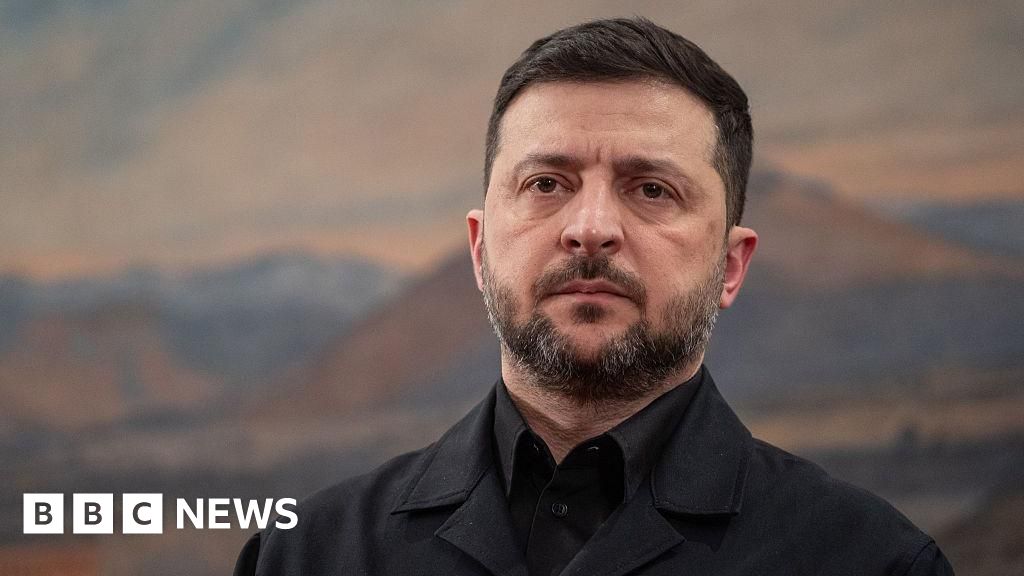
Volodymyr Zelensky, the President of Ukraine, is set to speak with former US President Donald Trump following the presentation of a draft peace plan by the United States aimed at ending the ongoing war between Ukraine and Russia. This development comes amid complex diplomatic efforts to find a resolution to the conflict that erupted into a full-scale invasion by Russia four years ago.
The draft peace plan reportedly originated from discussions between US special envoy Steve Witkoff and his Russian counterpart, Kirill Dmitriev, notably excluding Ukraine from the drafting process. This exclusion has raised concerns in Kyiv and among its European allies, who stress the necessity of Ukrainian involvement in any negotiations that affect the country's sovereignty and territorial integrity.
In an official statement, Zelensky’s office acknowledged the US’s belief that the draft plan could "help reinvigorate diplomacy." Ukraine expressed a willingness to work on the plan’s provisions with a focus on achieving a just and sustainable end to the war. The statement emphasized Kyiv’s openness to "all substantive proposals capable of bringing genuine peace closer," signaling a cautious but constructive approach to the initiative. However, Ukraine refrained from disclosing specific details of the proposal.
Despite this official stance, media sources including Axios, the Financial Times, and Reuters have reported that the draft plan contains significant demands that would require Ukraine to cede control over parts of the Donbas region in eastern Ukraine, reduce the size of its military forces substantially, and relinquish many of its weapons. If accurate, these terms heavily favor Moscow’s interests and explain the muted response from Kyiv, which views such concessions as too steep and potentially undermining Ukraine's sovereignty and security.
At a White House press briefing, Press Secretary Karoline Leavitt dismissed claims that the plan demanded major concessions from Ukraine. She emphasized that both Witkoff and Secretary of State Marco Rubio had engaged equally with Russia and Ukraine to understand their commitments. Leavitt described the plan as balanced and beneficial for both parties, asserting that the US was working diligently to finalize the agreement. Nevertheless, she refrained from offering detailed specifics about the plan’s contents.
The Kremlin, for its part, downplayed the draft’s significance. Kremlin spokesperson Dmitry Peskov acknowledged that while there had been "contacts" with the US, there was no formal negotiation or consultation process underway. Reportedly, the plan includes 28 points, but Moscow has not confirmed these details publicly. Peskov has stressed that any peace agreement must address the "root causes of the conflict," a phrase Moscow uses to refer to broad and maximalist demands that Ukraine interprets as tantamount to surrender.
The timing of the announcement coincided with a visit to Kyiv by senior US military officials, including US Army Secretary Dan Driscoll, Army Chief of Staff General Randy George, and the top US Army commander in Europe, General Chris Donahue. This visit underscores the ongoing military support Washington provides to Ukraine amid diplomatic efforts.
Despite the lukewarm reception of the draft plan, Zelensky expressed appreciation for Trump’s efforts and those of his team to restore security in Europe. This statement may be an attempt to maintain a positive relationship with Trump and his administration, which has pursued various initiatives to end the war, including a bilateral summit with Russian President Vladimir Putin in Alaska and multiple visits by envoy Witkoff to Moscow. Zelensky’s comments suggest a willingness to keep diplomatic channels open, even as serious disagreements remain.
In his nightly address to the Ukrainian people, Zelensky reiterated the country’s need for a "worthy peace" that respects the "dignity of the Ukrainian people." This highlights Kyiv’s insistence that any peace deal must uphold Ukraine’s sovereignty and national pride, rather than force the country into unfavorable compromises.
European partners of Ukraine have voiced their concerns about the lack of consultation in drafting the plan. EU foreign policy chief Kaja Kallas warned that any peace proposal must have the support of both Ukrainians and Europeans to be viable. The absence of Kyiv and Brussels from the drafting process risks undermining the legitimacy and effectiveness of any agreement.
Ukrainian parliamentarian Lisa Yasko voiced frustration over the process, telling the BBC that Ukraine had not been consulted and criticizing the idea of external actors deciding the country’s fate without its input. "It looks like someone wants to decide things for us," she said, adding that this approach causes deep pain among Ukrainians.
Since the beginning of his second term earlier this year, Donald Trump has actively pursued various diplomatic initiatives