
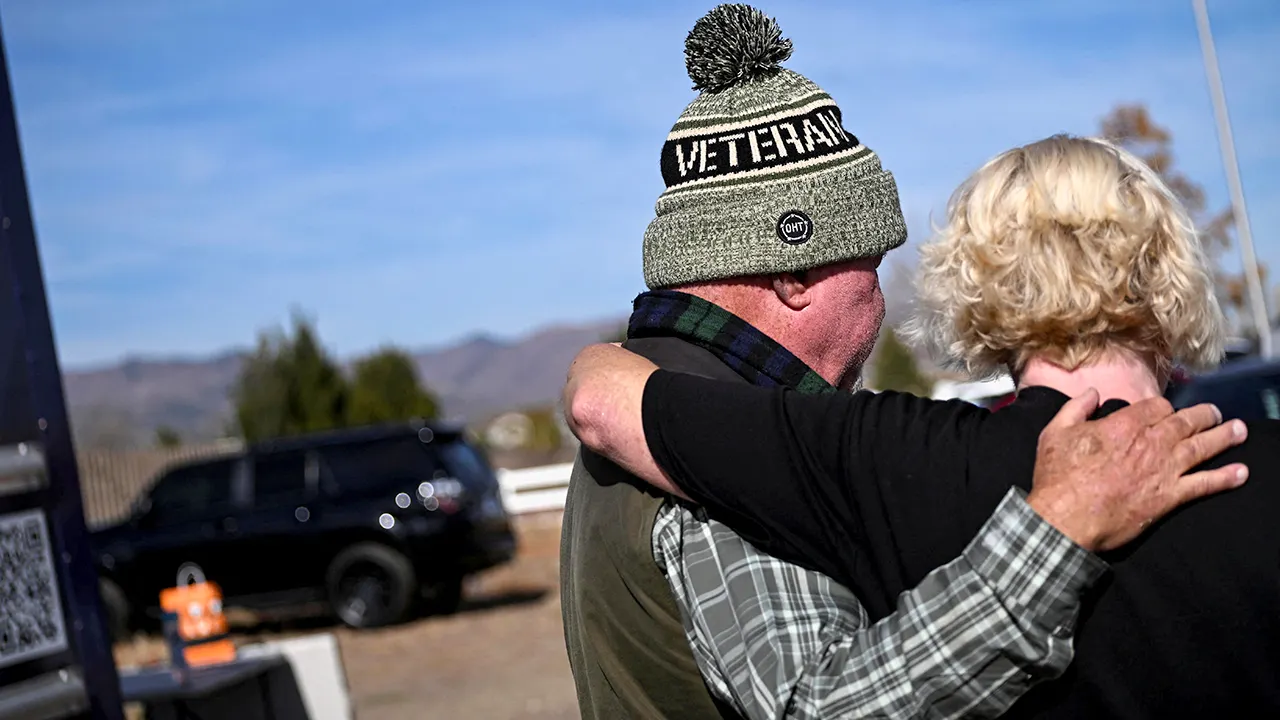
As the nation honors its veterans this Veterans Day, two companies are making significant contributions to support those who have served. Born Primitive, founded and led by CEO Bear Handlon, and Black Rifle Coffee Company, represented by Director of Philanthropy Dean Goble, have both pledged to donate 100% of their profits to help cover veterans’ medical bills. Their dedication highlights a powerful way businesses can give back to the veteran community, providing much-needed assistance to those who have sacrificed so much.
However, while these acts of generosity are commendable, veterans also face a growing and insidious threat: scams targeting their benefits. The Department of Veterans Affairs (VA) is sounding the alarm about a rising wave of fraud known as the VA overpayment scam. Fraudsters posing as VA employees are contacting veterans through text messages, emails, and phone calls. They falsely claim that the veteran was overpaid on their benefits and pressure them to send money or provide sensitive banking information to “correct” the issue. These scammers often use official-looking VA logos, formal language, and even spoofed caller IDs to appear legitimate and gain trust quickly.
This type of scam is particularly dangerous because it exploits the trust veterans place in the VA and their desire to comply with official requests. Once scammers secure personal information or payment details, veterans risk losing money and having their identities stolen. The VA urges all veterans to remain vigilant and cautious when receiving any communications related to their benefits.
To help veterans identify and avoid these scams, there are several key warning signs to watch for. Legitimate VA communications will never ask for payment via text messages or third-party apps. They also will not request login credentials or personal banking information outside of the official VA website, VA.gov. If you receive a notice about an overpayment, the VA’s protocol is to send a formal letter detailing the amount owed and outlining options for appeal or payment plans. These letters always direct veterans to official channels such as VA.gov or the official Debt Management Center, which can be reached at 1-800-827-0648.
If you suspect that a communication may be fraudulent, do not respond directly to the message or click on any links it contains. Instead, independently verify the information by logging into your VA.gov account or calling the VA using official contact numbers. The VA website allows you to check your benefit balances, payment status, and any legitimate debts. Handling any payments through the VA’s secure online portal or by phone is the safest approach. Avoid sending money through wire transfers, prepaid cards, gift cards, or cryptocurrency, as these are common methods used by scammers.
Veterans should also protect their VA login credentials as carefully as they would their house keys. The VA will never ask for your password or login information by phone, text, or email. If you believe your account details have been compromised, change your password immediately and enable multi-factor authentication (MFA) if available. Utilizing a reputable password manager can help create and store strong, unique passwords for your accounts, reducing the risk of unauthorized access.
In addition to protecting login information, it’s important to be wary of malicious links and attachments embedded in scam messages. Fraudsters often disguise harmful URLs to appear authentic. A simple way to check is by hovering over links without clicking to see the actual web address; any link not starting with “https://www.va.gov” is suspicious. Opening attachments from unknown or unexpected sources can also install malware on your devices, potentially giving scammers access to personal data.
To combat these threats, installing robust antivirus software on all your devices is highly recommended. Quality antivirus programs offer real-time protection against phishing attempts, ransomware, and other cyber threats. For veterans looking for the best antivirus solutions, expert reviews and recommendations are available at CyberGuy.com, which regularly updates its picks for Windows, Mac, Android, and iOS users.
Another vulnerability comes from the widespread availability of personal information online. Data brokers collect and sell details such as names, phone numbers, and even veteran status, which scammers use to craft convincing messages. To reduce the risk of being targeted, consider using a personal data removal service. These services actively monitor hundreds of broker sites and systematically request the removal of your information, helping limit your exposure. While no service can guarantee complete removal of all personal data, this approach significantly lowers the chances of scammers cross-referencing your details from various sources.
Veterans should also be cautious about sharing information on social media platforms. Scammers often gather information from profiles to personalize