
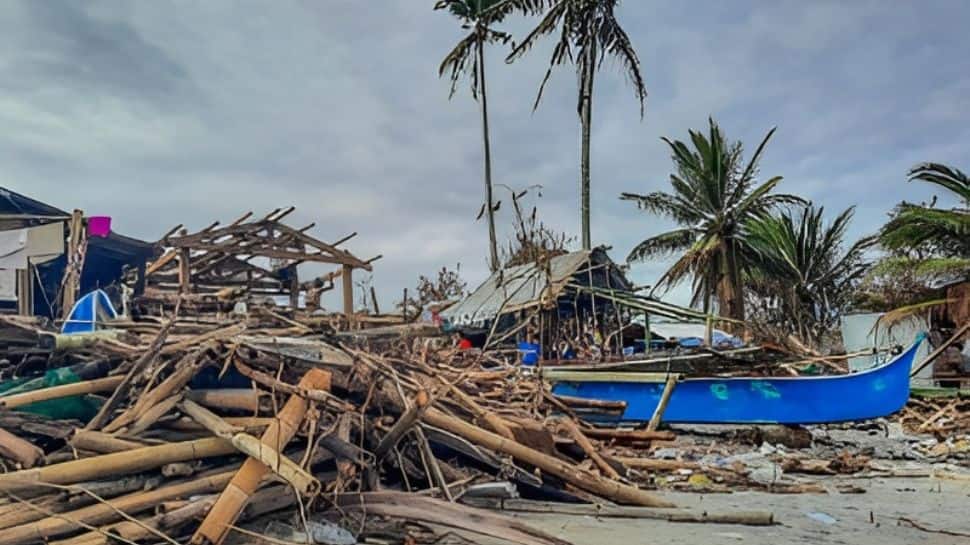
Typhoon Kalmaegi, one of the most devastating natural disasters to strike the Philippines in 2023, has left a trail of destruction and despair across the country’s central regions. In response to the widespread damage and loss of life, President Ferdinand Marcos Jr. declared a state of emergency on Thursday, November 6, underscoring the severity of the crisis. The typhoon has resulted in at least 114 confirmed deaths, with an additional 127 people still missing, making it the deadliest calamity to hit the Philippines this year.
The central province of Cebu bore the brunt of Kalmaegi’s fury. Striking on Tuesday, November 4, the typhoon unleashed torrential rains that triggered flash floods and caused rivers to overflow, inundating communities and sweeping away homes. At least 49 people drowned in Cebu alone, with many others losing their lives to landslides and falling debris caused by the violent storm. The province remains on high alert as 13 people are still unaccounted for, trapped or missing in the aftermath of the floods.
Nearby provinces including Negros Occidental and Negros Oriental also suffered significant losses. Officials reported another 62 individuals missing in these regions, highlighting the widespread impact of the typhoon beyond Cebu. The Philippine Red Cross has been actively involved in rescue operations, receiving numerous distress calls from residents stranded on rooftops amid rapidly rising floodwaters. Emergency teams have been deployed to rescue those trapped and provide immediate relief to the affected populations.
The scale of displacement caused by Kalmaegi is staggering. Nearly two million people across the central Philippines have been affected, with more than 560,000 residents forced to evacuate their homes to escape the flooding and landslides. Currently, approximately 450,000 evacuees are taking shelter in emergency centers, where relief agencies are working tirelessly to provide food, water, and medical care. The government and humanitarian organizations are coordinating efforts to manage the crisis and prevent further casualties.
Kalmaegi’s path of destruction extended beyond the Philippine archipelago. After battering Palawan province, the typhoon moved into the South China Sea on Wednesday, November 5, setting its trajectory toward Vietnam. Forecasters have warned that central Vietnam, already grappling with heavy rains and landslides, faces the prospect of intensified weather conditions as the storm approaches. Authorities in Vietnam are preparing for potential flooding and landslides, mobilizing resources to mitigate the impact of the incoming typhoon.
The declaration of a state of emergency by President Marcos Jr. enables the government to mobilize additional resources and implement emergency measures to aid recovery and relief efforts. This move is crucial in facilitating swift response operations and ensuring that affected communities receive timely assistance. The government has called on local agencies, the military, and volunteer groups to intensify rescue and relief activities, emphasizing the need for solidarity and swift action during this critical period.
The devastation wrought by Typhoon Kalmaegi highlights the vulnerability of the Philippines, a country frequently battered by powerful storms due to its location in the Pacific typhoon belt. Each year, typhoons cause loss of life, damage infrastructure, and disrupt livelihoods, disproportionately affecting poor and rural populations. The current disaster underscores the urgent need for improved disaster preparedness, resilient infrastructure, and effective early warning systems to minimize future risks.
In the wake of the typhoon, the Philippine government, along with international partners, is focusing on both immediate relief and long-term recovery. Efforts include restoring damaged infrastructure such as roads, bridges, and power lines, clearing debris to reopen transportation routes, and providing psychosocial support to affected families. Agricultural areas, heavily impacted by flooding, require rehabilitation to ensure food security and restore the livelihoods of farming communities.
The Philippine Red Cross and other humanitarian organizations continue their vital work on the ground, conducting search and rescue missions, distributing emergency supplies, and setting up medical stations to treat the injured. Community volunteers play a significant role in these operations, demonstrating resilience and solidarity in the face of adversity.
While the situation remains critical, the coordinated response efforts and the resilience of the Filipino people provide hope for recovery. Government officials urge residents to remain vigilant as the risk of additional flooding and landslides persists, especially in vulnerable areas. Authorities continue to monitor weather developments closely, ready to issue further warnings or directives as necessary to protect lives and property.
As Typhoon Kalmaegi moves beyond the Philippines, attention shifts to neighboring Vietnam, where preparations are underway to face the approaching storm. The experience