
Tensions between Pakistan and Afghanistan escalated sharply following an attack launched on Pakistani territory from Afghan soil on the night of October 11. This incident came amid allegations from the Afghan Taliban accusing Pakistan of conducting airstrikes within Afghanistan—a claim Islamabad has neither confirmed nor denied. The cross-border attack marked a significant deterioration in the already fragile relationship between the two neighbors, prompting both sides to seek urgent dialogue to prevent further conflict.
In the immediate aftermath of the attack, initial talks took place in Doha, Qatar, where representatives from Pakistan and the Afghan Taliban agreed to a temporary ceasefire. Both parties committed to reconvening in Istanbul, Turkey, to negotiate more comprehensive mechanisms aimed at establishing long-term peace and stability along their shared border. The involvement of Turkiye and Qatar as mediators has been instrumental; both countries maintain strong diplomatic and strategic ties with Pakistan and have actively facilitated the resumption of dialogue.
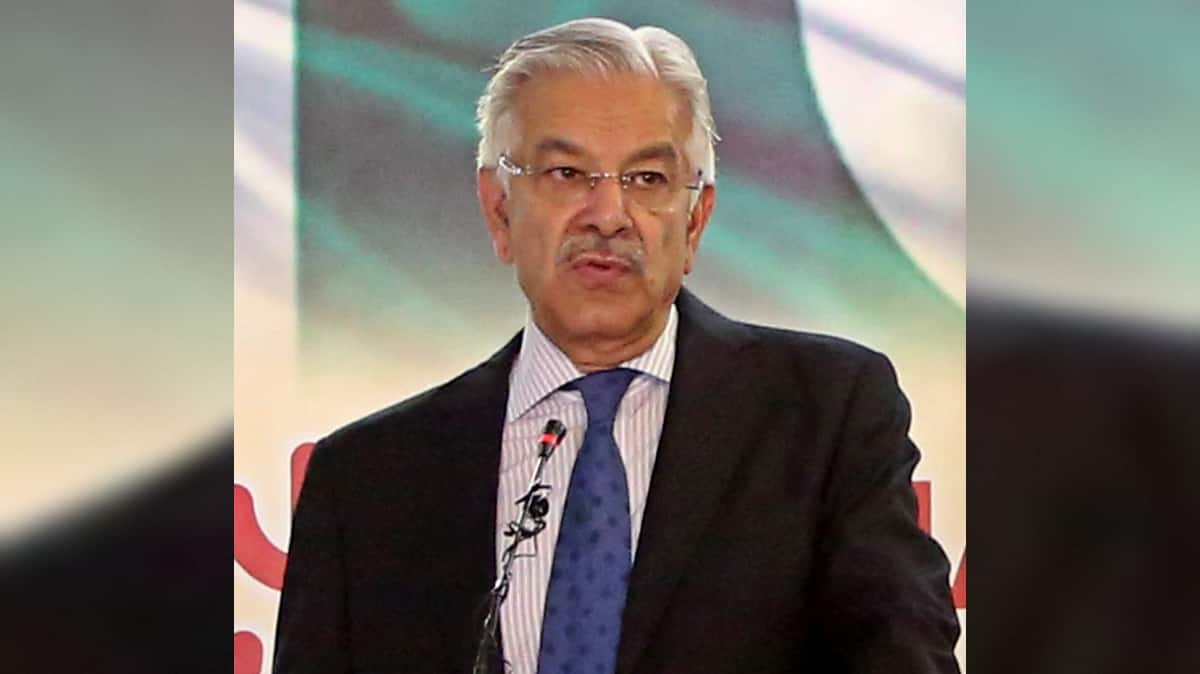
Pakistan’s Defence Minister Khawaja Asif has been vocal about the gravity of the situation. In a candid interview with Geo TV, Asif warned that if negotiations with the Afghan Taliban failed, the only alternative left would be war. His stark “only war” remark underscored the seriousness with which Islamabad views the escalating border hostilities and the urgent need for a diplomatic resolution. Despite this hardline posture, Pakistan also confirmed that a delegation had departed for Istanbul to engage in talks with the Afghan Taliban aimed at defusing tensions.
The second round of discussions between Pakistani officials and the Taliban delegation commenced in Istanbul on October 25, following several days of heightened border skirmishes. However, the talks faced significant challenges. On October 29, Pakistan announced that the negotiations had “failed,” signaling frustration with the lack of progress and preparing to withdraw its negotiators. This development raised concerns about a possible return to open hostilities between the two sides.
Nevertheless, diplomatic efforts to salvage the dialogue process quickly gained momentum. Thanks to renewed mediation efforts by Turkiye and Qatar, the talks were revived for the second time in less than a week. This intervention proved crucial in reaching a breakthrough understanding between Pakistan and the Afghan Taliban. The two sides agreed on a three-point framework to stabilize the situation and pave the way for lasting peace. This framework includes:
1. Continuation of the ceasefire to halt further border violence. 2. Establishment of a monitoring and verification mechanism to ensure compliance with the ceasefire and prevent future violations. 3. Implementation of penalties for any breaches of the agreement to maintain accountability.
These measures represent a significant step forward in addressing the immediate security concerns and building confidence between the parties. The operational details of the verification mechanism are expected to be finalized during a subsequent meeting of senior representatives from both sides scheduled for November 6 in Istanbul, according to reports from ANI citing the Dawn newspaper.
Speaking to the media outside the Pakistani Parliament, Defence Minister Khawaja Asif expressed cautious optimism about the renewed talks. He stated, “The delegation has gone today and the negotiations will begin tomorrow morning. Let’s hope Afghanistan makes use of wisdom and peace is restored in the region.” When questioned about the prospects for a positive outcome, Asif remarked, “Talks are only engaged in if there is a possibility of progress; otherwise, it is a waste of time.” His comments reflected both the urgency and the conditional nature of Pakistan’s engagement in the peace process.
Aside from the border tensions, Asif briefly addressed unrelated domestic political matters, notably declining to disclose details about discussions concerning the proposed 27th Constitutional Amendment. He indicated that the draft of the amendment would take its “final shape” by the following week before being presented in Parliament, suggesting ongoing legislative activity separate from the security issues with Afghanistan.
The roots of the recent tensions lie in the complex and often contentious relationship between Pakistan and Afghanistan, particularly regarding cross-border militancy and sovereignty. The attack on October 11, which triggered the crisis, reportedly originated from Afghan territory, though details remain somewhat opaque. The Taliban’s accusations of Pakistani airstrikes inside Afghanistan further complicated the situation, feeding mutual distrust. Pakistan’s refusal to confirm or deny these allegations has added to the ambiguity and tension.
Despite these challenges, the willingness of both sides to engage in dialogue, facilitated by regional players like Turkiye and Qatar, highlights a shared interest in avoiding a full-scale conflict. The repeated convening of talks in Istanbul and Doha indicates a recognition that peaceful negotiation remains the preferred path, even if progress is slow and fraught with setbacks.
The