
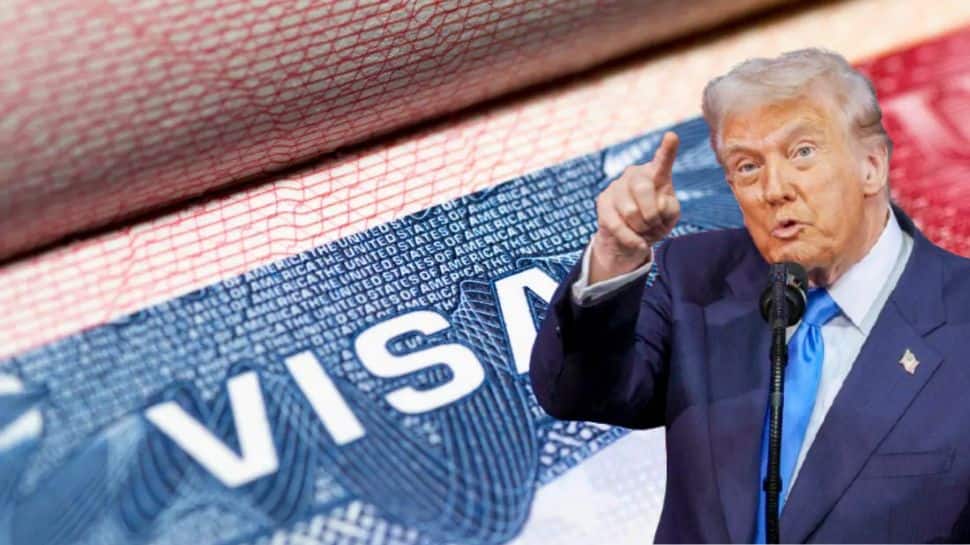
Since taking office on January 20, the Trump administration has taken a firm stance on visa enforcement, revoking approximately 80,000 non-immigrant visas. This aggressive approach targets a range of offenses and violations, reflecting the administration’s broader policy of tightening immigration controls and enhancing national security measures.
A significant portion of these visa cancellations relates to criminal activities. Among the revoked visas, around 16,000 were due to driving under the influence (DUI), 12,000 for assault, and 8,000 for theft. These three categories alone account for nearly half of all visa revocations this year. This focus on criminal conduct underscores the administration’s message that foreign nationals residing temporarily in the United States must adhere strictly to U.S. laws, with serious consequences for those who do not.
Beyond criminal offenses, many visa revocations have been linked to breaches of immigration rules and violations related to U.S. foreign policy. The Trump administration has introduced stricter vetting procedures for visa applicants. These include enhanced background screenings and expanded checks on social media activity, aiming to identify individuals who may pose security risks or hold political views considered hostile to American interests.
In August, the U.S. State Department revoked over 6,000 student visas, primarily due to overstaying permitted stays or violating visa conditions. Many of these students were found guilty of crimes such as assault, DUI, and burglary. A smaller subset of these cases involved allegations of support for terrorism. According to officials, between 200 and 300 student visas were cancelled under Section 3B of the Immigration and Nationality Act, which defines terrorist activity as acts threatening human life or violating American law. These actions were framed as necessary steps to protect national security and to ensure that all visa holders comply with U.S. laws and regulations.
The administration has also targeted individuals for their political expressions and activism. Reports indicate that at least six visas were revoked recently due to online comments related to the assassination of conservative activist Charlie Kirk. This move highlights the administration’s vigilance against speech or activities perceived as threatening or inciting violence.
U.S. Secretary of State Marco Rubio, who assumed office earlier this year, confirmed that hundreds, possibly thousands, of visas have been revoked on grounds connected to U.S. foreign policy concerns. He emphasized that individuals supporting causes deemed hostile to American interests risk losing their visas. This policy extends to monitoring visa applicants for anti-American sentiments or political activism, with special attention to students and green card holders.
Officials have explicitly stated that those found supporting Palestinians or criticizing Israel’s military actions in Gaza could face deportation. The administration argues that such expressions may constitute threats to U.S. foreign policy. This position reflects a broader effort to align visa enforcement with diplomatic priorities and national security considerations.
The Trump administration’s visa policies represent a marked shift towards more stringent immigration control. By revoking tens of thousands of visas for criminal offenses, immigration violations, and political reasons, the administration aims to send a clear message that compliance with U.S. laws and alignment with American interests are non-negotiable for foreign nationals residing in the country.
These developments occur amid broader debates over immigration, national security, and civil liberties. Critics argue that the expanded scope of visa revocations, particularly those related to political speech, may infringe on freedom of expression and create a climate of fear among foreign students and visitors. Supporters contend that these measures are vital to safeguarding the nation against security threats and ensuring that those who benefit from the country’s hospitality respect its laws and policies.
Overall, the Trump administration’s visa revocation campaign illustrates a comprehensive approach to immigration enforcement, combining legal, security, and diplomatic considerations. It reflects a prioritization of national security concerns and a determination to impose strict consequences on visa holders who violate laws or engage in activities contrary to U.S. interests. As these policies continue to evolve, their impact on foreign nationals and international relations remains a subject of close attention and debate.