
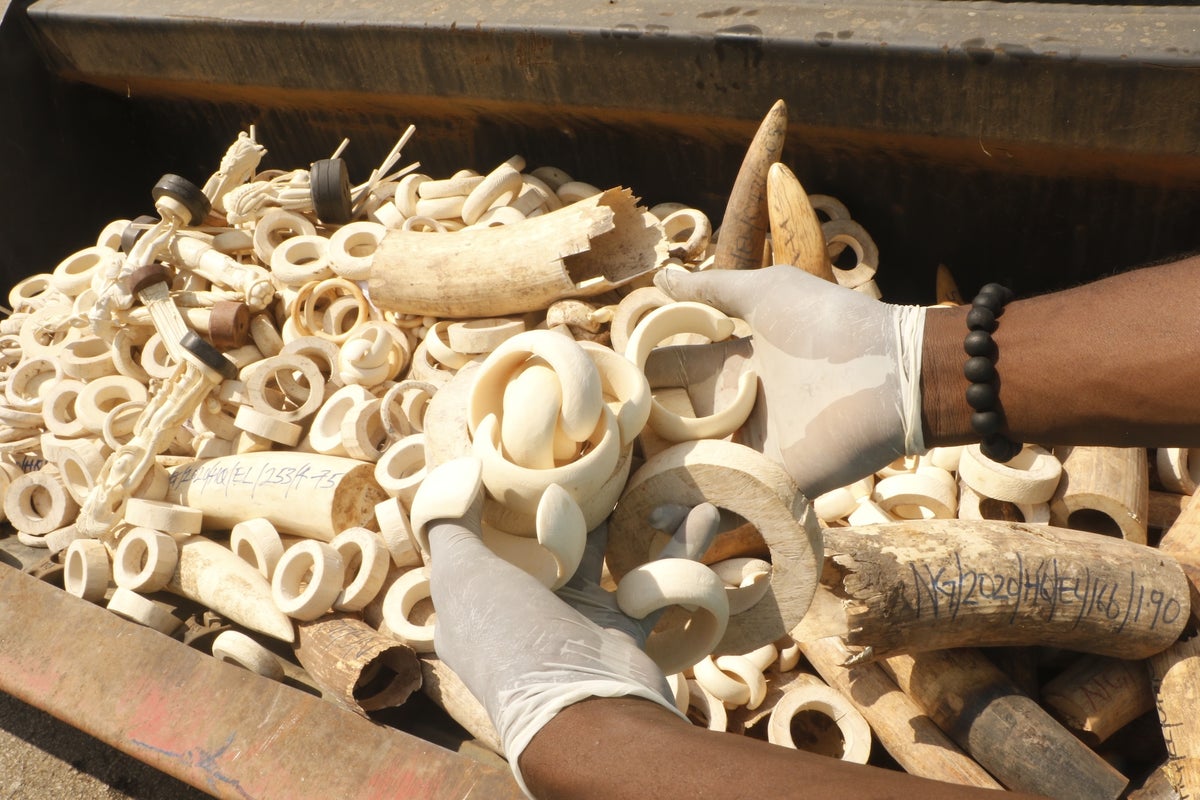
In recent years, global criminal networks involved in the illegal wildlife trade have increasingly intertwined their activities with other forms of organized crime, including drug trafficking, arms smuggling, and human trafficking. This alarming convergence reveals a complex and adaptive criminal landscape that challenges traditional efforts to combat these crimes in isolation. New research published in the Journal of Economic Criminology sheds light on these interconnections, underscoring the need for a more comprehensive and coordinated approach to tackling organized crime worldwide.
The illegal wildlife trade is a vast, multibillion-dollar industry, driven by demand for animal parts such as elephant tusks, rhino horn, lion bones, and exotic pets. These goods are trafficked through sophisticated criminal networks that operate across continents. However, the latest research confirms what many experts have long suspected: these networks rarely focus on a single commodity. Instead, they engage in a diverse array of illicit activities, often combining wildlife trafficking with other crimes like drug smuggling, arms trading, human trafficking, and even the trafficking of counterfeit goods and human body parts.
Michelle Anagnostou, a researcher at the University of Oxford who conducted the study as part of her doctoral work at the University of Waterloo, emphasizes the adaptability and interconnectedness of these criminal organizations. “We’re seeing criminal networks around the world being more adaptable and interconnected and almost commodity agnostic,” she explains. This means that criminals are not limited to one type of illegal product but are willing to trade across various illicit goods depending on opportunity and profit. Anagnostou argues that this dynamic points to the need for a “comprehensive organized crime approach to trafficking activities as a whole, with less focus on the commodity being trafficked.”
The study is based on extensive fieldwork, including 112 interviews with individuals directly involved in combating crime across South Africa, Hong Kong, and Canada. Interviewees included wildlife officers, police personnel, customs agents, intelligence analysts, and experts in organized crime, money laundering, and drug trafficking. Their insights reveal a multifaceted picture of criminal operations, where the illegal trade in wildlife parts is deeply entwined with other illicit markets.
One striking example involves a raid in South Africa in 2021, where investigators uncovered a Vietnamese crime ring operating from a local farm. There, they seized over 800 pounds of “lion cake,” a traditional medicine product made by boiling lion bones to extract gelatin from joints. Alongside the lion parts, authorities found 13 gallons of opium hidden within the product. This case highlights how traffickers are blending wildlife goods with drugs to evade detection and maximize profits.
The research details numerous instances where criminal groups that specialize in one type of trafficking opportunistically include wildlife products in their portfolios. For example, cartels known for drug trafficking, gold and diamond smuggling, or human trafficking have been found to trade in rhino horn, rare succulents, and bear gallbladders. Conversely, wildlife traffickers sometimes expand their operations to include drugs, stolen vehicles, or sex trafficking as additional revenue streams.
Wildlife products are also used as currency in drug trades. Abalone, a prized shellfish, has been bartered for methamphetamine, while sturgeon has been exchanged for heroin. Some drug traffickers have been reported to use exotic illegal pets such as lions and tigers to guard their narcotics, while others employ illegal firearms to poach protected animals. Furthermore, forced labor exploitation is common, with vulnerable people compelled to extract illegal goods like rhino horn, elk, ginseng, sea cucumbers, and harp seal oil under duress.
These intricate links demonstrate that the traditional approach of addressing each type of organized crime separately is no longer effective. According to Anagnostou, “By working separately and not working with each other across units, the bigger picture is missed.” She advocates for increased intelligence sharing, joint task forces, and enhanced international cooperation that transcends specific commodities. Legal frameworks and enforcement strategies must also evolve to address the multifaceted nature of these criminal networks.
Mary Rice, executive director of the Environmental Investigation Agency (EIA), concurs with these findings. The EIA has long campaigned to raise awareness about the organized nature of illegal wildlife trade. Rice notes, “It took years of persistent lobbying, backed up by evidence, to persuade the mandated authorities that illegal wildlife trade was actually being perpetrated by organized criminal networks.” She views the new research as a vital step toward gaining broader acceptance that wildlife crime often intersects with other serious forms of organized crime