
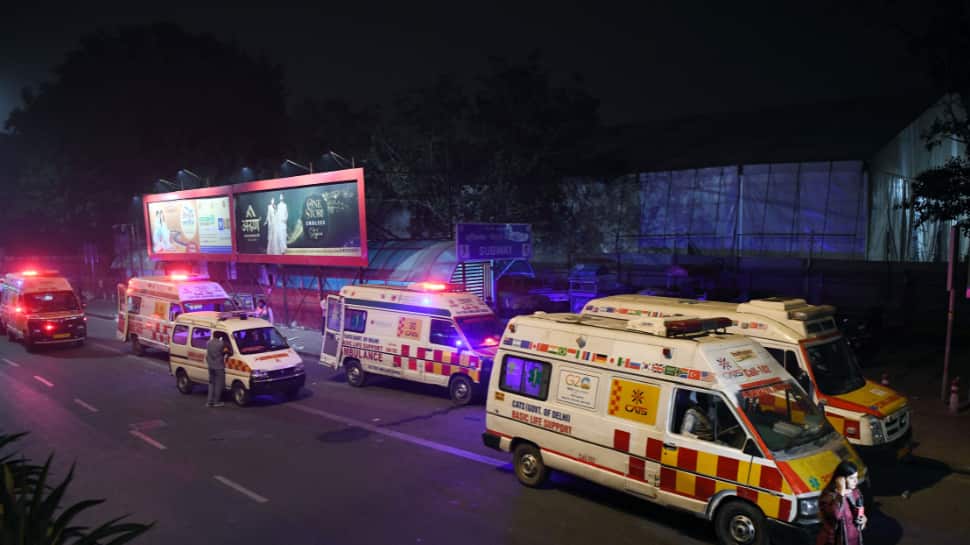
On the evening of November 10, 2025, a devastating explosion occurred near one of Delhi’s most prominent landmarks, the iconic Red Fort, sending shockwaves across India and the international community. The blast, which took place around 7 pm near the Subhash Marg traffic signal adjacent to the heritage site, involved a slow-moving Hyundai i20 car. The explosion resulted in at least eight fatalities and left several others injured, also causing damage to multiple nearby vehicles. The incident unfolded in one of Delhi’s busiest heritage and tourist zones, raising immediate concerns about security and the potential motives behind the attack.
Union Home Minister Amit Shah addressed the incident, confirming the details of the explosion and emphasizing that all possibilities were being thoroughly explored. He announced that multiple agencies from both the central and state governments had joined forces to investigate the cause and motive behind the blast. The investigation is being conducted under heightened security measures in the national capital, reflecting the seriousness with which authorities are treating the incident. Delhi Police registered a case under several stringent laws, including Sections 16 and 18 of the Unlawful Activities (Prevention) Act (UAPA), the Explosives Act, and relevant provisions of the Bharatiya Nyaya Sanhita at the Kotwali Police Station, signaling the potential classification of the explosion as an act of terrorism or unlawful activity.
The blast drew swift and widespread condemnation from political leaders and foreign diplomats, highlighting the global resonance of the tragedy. Israeli Foreign Minister Gideon Saar was among the first to express his condolences, taking to the social media platform X to extend "deepest condolences to the people of India, especially to the families of the innocent victims killed in the blast at the heart of Delhi." Saar also wished a speedy recovery to the wounded and reaffirmed Israel’s solidarity with India in its fight against terror, underscoring the close ties and cooperation between the two nations on matters of security and counterterrorism.
Echoing this sentiment, Israeli Ambassador to India Reuven Azar described the incident as “heartbreaking.” In his message on X, he praised the prompt response of emergency teams and security forces who worked tirelessly to rescue survivors and secure the area. Azar’s words reflected a shared grief and a commitment to stand by India during this difficult time, while also recognizing the professionalism and dedication of first responders who managed the crisis effectively.
The tragedy also elicited responses from other global representatives. Russian Ambassador to India Denis Alipov conveyed his deep shock and sadness over the explosion. He expressed confidence that the ongoing and thorough investigation would uncover the cause of the incident. Alipov extended condolences to the families of the victims and wished a speedy recovery to those injured, reflecting Russia’s solidarity with India in the face of this calamity.
Sri Lankan President Anura Kumara Dissanayake also publicly expressed sorrow over the incident. He stated that Sri Lanka stood in solidarity with the Indian people and offered thoughts and prayers for all those affected by the blast. His message underscored the regional concern and the shared commitment to peace and security in South Asia.
In addition to these diplomatic messages, foreign missions from countries such as Canada and the United States issued official statements condemning the attack and expressing their condolences. The US Embassy in India went a step further by issuing a security advisory following the explosion. The advisory noted that the car blast near the Lal Quila (Red Fort) metro station resulted in multiple casualties, as reported by local media, and that the Government of India had placed several states on high alert in response. This advisory served both as a warning to American citizens and a recognition of the heightened security concerns following the attack.
The explosion’s location near the Red Fort, a symbol of India’s rich history and cultural heritage, added a layer of gravity to the incident. The Red Fort area is not only a major tourist attraction but also a site of significant national importance, often hosting important events and ceremonies. An attack in such a sensitive zone prompted immediate fears of terror-related motives, stirring public anxiety and prompting calls for increased vigilance and security measures across the country.
Authorities remain cautious as investigations continue, with multiple agencies pooling resources and intelligence to determine whether the blast was an isolated act or part of a wider terror plot. Union Home Minister Amit Shah’s assurance that all leads are being pursued reflects the government’s intent to leave no stone unturned in bringing the perpetrators to justice and preventing future incidents.
The incident has also reignited discussions about urban security and anti-terrorism