
On Monday evening, a powerful car blast near Gate No. 1 of the Red Fort Metro Station in Delhi shook the national capital, causing significant destruction and loss of life. The explosion, which occurred around 6:50 pm inside a Hyundai i20 vehicle, resulted in the immediate deaths of at least nine individuals and left many others seriously injured. These injured victims were rushed to Lok Nayak Jai Prakash (LNJP) Hospital for urgent medical care. The force of the blast was so intense that it triggered a fire, which quickly spread to and destroyed six other vehicles, including several auto-rickshaws parked nearby. The incident sent shockwaves throughout the city and prompted a swift response from emergency services and law enforcement agencies.
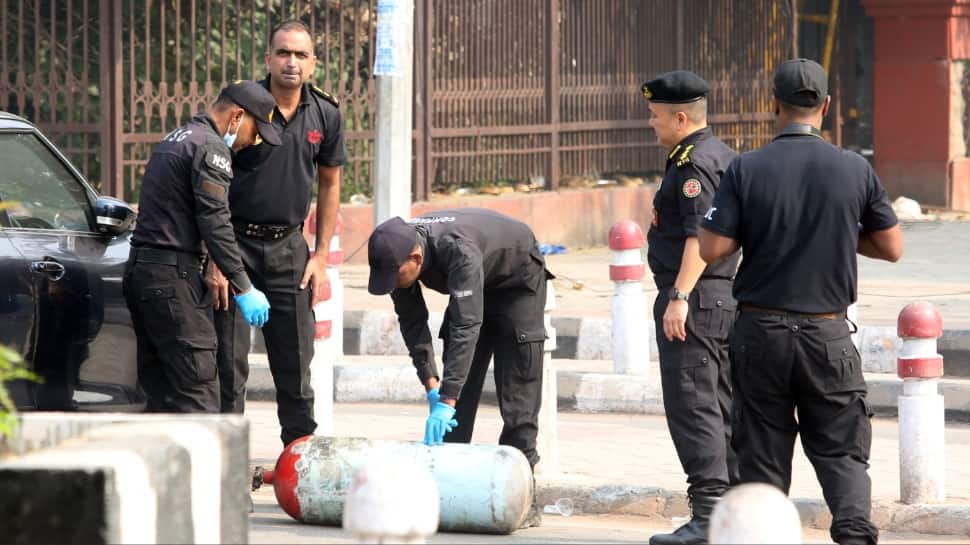
The aftermath of the blast saw an immediate mobilization of various security and investigative teams. Over 20 fire tenders were dispatched to extinguish the flames, while personnel from the Delhi Police, National Security Guard (NSG), National Investigation Agency (NIA), and forensic experts rushed to the site. Eyewitnesses described scenes of heavy smoke and scattered human remains, highlighting the severity of the explosion. Security forces have been heavily deployed in and around the affected area to maintain order and prevent any further incidents. Additionally, monitoring and surveillance in nearby localities have been intensified as a precautionary measure.
In response to the blast, the Indian government has registered a case under the stringent Unlawful Activities (Prevention) Act (UAPA), signaling that the incident is being treated as a potential terrorist conspiracy. Union Home Minister Amit Shah, who personally visited the blast site earlier, convened a high-level meeting at his residence to review the ongoing investigation. Present at the meeting were key officials, including Delhi Police Commissioner Satish Golcha and the Director General of the NIA, among others. The discussions focused on the progress made so far, the actions taken by various security agencies, and the overall strategy to handle the investigation and ensure public safety.
Following the blast, security measures were immediately heightened in major cities across India, including Delhi and Mumbai. The Red Fort Metro Station, located near the blast site, was temporarily closed to the public. Gates No. 1 and 4 of the station were sealed off to restrict access toward the Red Fort complex, a prominent historical and tourist landmark. These steps were taken to prevent any further risk to civilians and to facilitate the ongoing investigation by law enforcement and forensic teams.
The blast not only captured the attention of Indian authorities and citizens but also drew significant interest and concern from Pakistan. A review of Pakistani Google search trends following the incident revealed a notable surge in public curiosity about the attack. Pakistani users were actively searching for information related to the blast, focusing on questions such as how the explosion occurred, the extent of the damage and casualties, and updates on the investigation’s progress. This surge in search activity indicates a high level of engagement and concern among the Pakistani public regarding the incident.
Pakistani media outlets also covered the blast extensively. Dawn, one of Pakistan’s leading news organizations, reported on the incident, describing the panic and chaos that gripped a busy part of Delhi following the explosion. The report cited Delhi Police spokesperson Sanjay Tyagi, who confirmed that the case was under investigation by multiple agencies. The coverage emphasized the seriousness with which Indian authorities were treating the incident and highlighted the scale of the emergency response.
Social media platforms in Pakistan mirrored this heightened interest. On X (formerly Twitter), the term "Delhi" quickly climbed to become the second most trending topic. Pakistani users actively shared updates, posted videos from the scene, and engaged in discussions about the blast and its implications. This rapid spread of information and public discourse underscores the cross-border impact of such incidents and the interconnected nature of news consumption in the region.
The investigation into the blast is ongoing, with multiple agencies working together to uncover the circumstances behind the explosion and identify those responsible. Authorities continue to examine forensic evidence collected from the scene and are analyzing surveillance footage and witness testimonies. The concerted efforts aim to piece together a clear picture of the event and prevent any similar attacks in the future.
The Red Fort blast has raised significant security concerns, particularly given the symbolic importance of the location. The Red Fort is not only a historic monument but also a site of national pride, often hosting major events and celebrations. An attack in this area thus carries substantial psychological and political weight. Indian officials have reiterated their commitment to ensuring the safety of the capital and have assured