
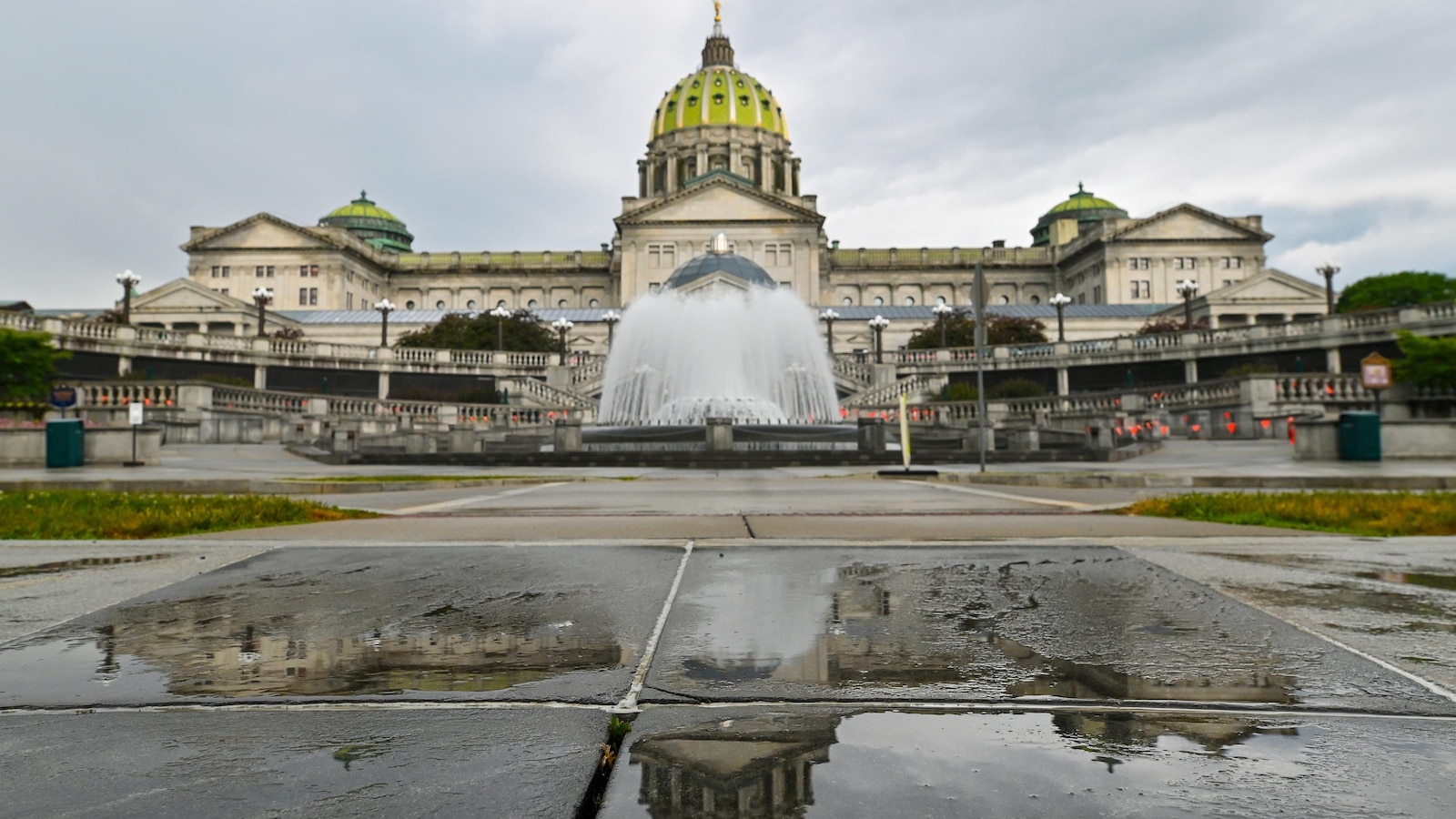
Pennsylvania lawmakers are moving forward with a significant $50 billion spending package aimed at ending a prolonged budget stalemate that has delayed billions of dollars in funding for public schools and social services across the state. This development marks a crucial turning point after four months of impasse, during which essential state programs and institutions have faced financial uncertainty and operational challenges.
The budget agreement, which emerged from weeks of intense and largely private negotiations, was taken up by the state legislature on Wednesday. Democratic Governor Josh Shapiro was expected to sign the key budget bills into law by the end of the day, signaling the imminent release of billions in state aid that have been on hold since the fiscal year began on July 1. The delay in passing a budget had caused widespread concern among counties, school districts, and social service agencies, many of which warned of potential layoffs, increased borrowing costs, and significant damage to Pennsylvania’s social safety net.
One of the most notable aspects of the agreement was a key concession made by Democrats to Republicans, involving the rollback of a contentious environmental regulation. The regulation in question was designed to make Pennsylvania the only major fossil fuel-producing state to require power plant owners to pay for their carbon dioxide emissions through a cap-and-trade program. This initiative had been a centerpiece of former Governor Tom Wolf’s efforts to combat climate change, aiming to integrate Pennsylvania into the Regional Greenhouse Gas Initiative (RGGI), a cooperative effort among several states to reduce greenhouse gas emissions.
However, the carbon cap-and-trade program faced fierce opposition from Republican lawmakers, fossil fuel industry representatives, and labor unions connected to pipeline, refinery, and power plant work. Critics argued that the policy would increase energy costs and drive investment in new gas-fired power plants to other states with less stringent regulations. Additionally, the regulation has been stalled in the state’s highest court, which is reviewing a legal challenge claiming that the carbon pricing plan constitutes an unconstitutional tax because it was implemented without legislative approval.
Governor Shapiro himself had expressed reservations about the regulation and proposed an alternative plan to address emissions, though that plan had not gained traction in the legislature. As part of the budget deal, Democrats agreed to set aside the cap-and-trade rule, a move that was crucial for securing Republican support and ultimately breaking the budget deadlock.
Despite this concession, the budget plan still delivers significant new funding in key areas championed by Democrats. The total authorized spending in the new budget would increase by approximately $2.4 billion, or 5%, with nearly all of the additional funds directed toward Medicaid and public education. Although this funding level falls short of Governor Shapiro’s original budget proposal, it represents a substantial investment in the state’s schools and social services.
Lawmakers emphasized the importance of ending the budget stalemate for the people of Pennsylvania. Jordan Harris, the Democratic chairman of the House Appropriations Committee, highlighted the significance of having a funding plan in place, noting that it would be a major relief for the many institutions and individuals who have been waiting for state resources. The passage of the budget would provide certainty and stability for school districts, social service agencies, and other critical programs that have operated without state aid for months.
The budget deal also includes a landmark provision: Pennsylvania’s first refundable earned income tax credit (EITC). This credit is designed to reduce or eliminate state income tax liability for lower-income individuals and families, depending on their earnings and the number of children they have. While most states have some form of earned income tax credit, Pennsylvania has been one of the few without a refundable version, which means many low-income families have not benefited fully from the credit in the past.
The new refundable EITC is projected to cost the state roughly $200 million annually. Lawmakers estimate that if the credit had been in place during the current year, the average eligible family would have saved about $650. This addition to the budget is seen as a significant step toward providing financial relief to working families struggling with the state’s cost of living.
However, the budget plan is not without its challenges. Pennsylvania is facing a multibillion-dollar deficit for the second consecutive year, and the plan relies heavily on surplus cash to balance the budget. This reliance on one-time funds raises concerns about the sustainability of the state’s finances in the coming years, especially if economic conditions worsen or revenue collections fall short of projections.
Still, the immediate priority for lawmakers and the governor has been to end the budget impasse and release much-needed funds to