
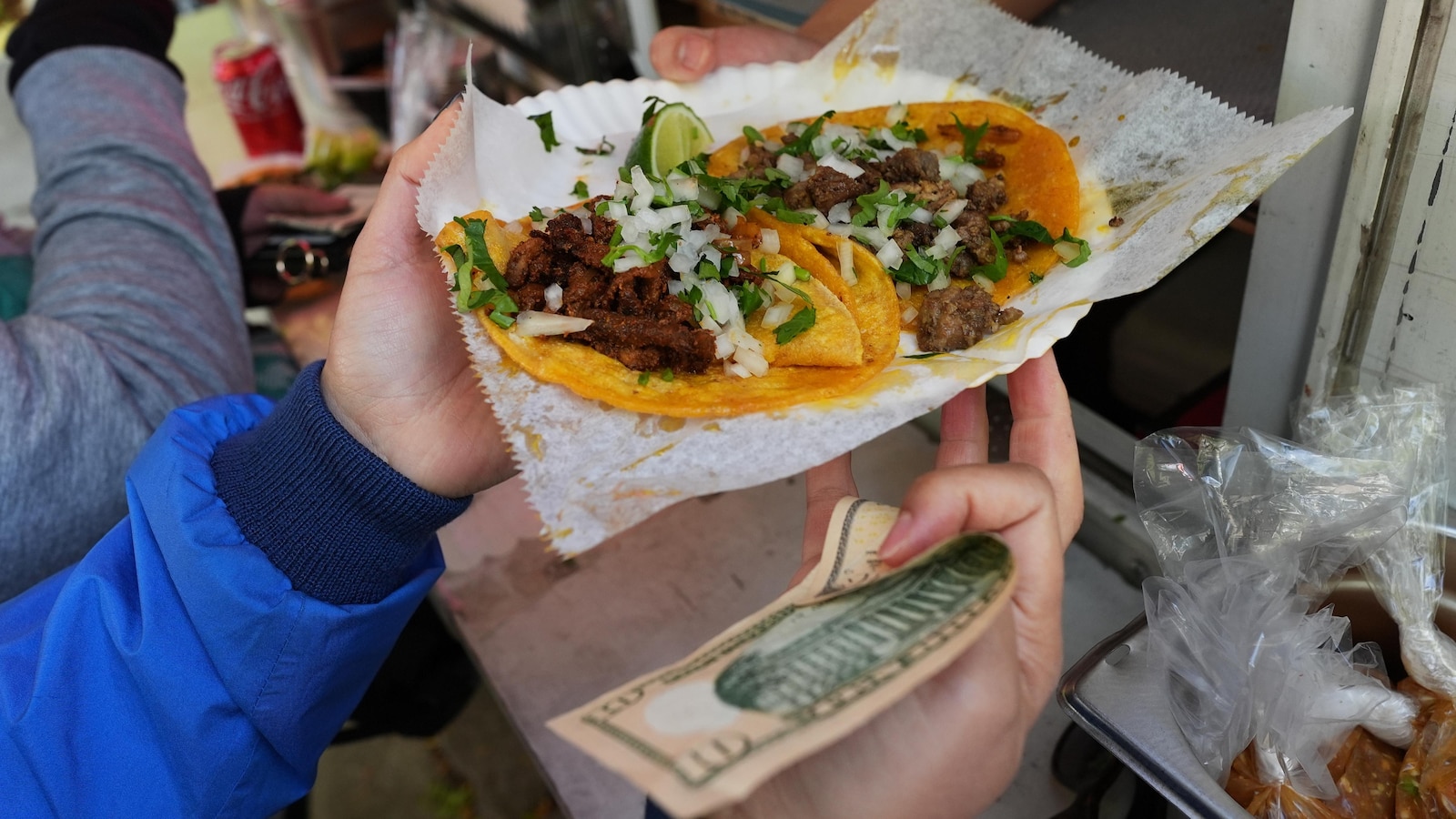
Across Chicago’s Latino neighborhoods, a federal immigration crackdown has instilled deep fear, emptying streets and storefronts that once bustled with life. Since the crackdown began, leading to over 3,200 arrests in the metropolitan area, many street vendors and local restaurant owners have found themselves paralyzed by the threat of detention, forcing them to stay home rather than work. Yet amid this climate of fear, community solidarity has blossomed in powerful ways, as neighbors rally to support one another, finding creative methods to sustain the vibrant culture and economy of their neighborhoods.
In the early mornings, the streets of Chicago’s Latino communities traditionally come alive with the sights and sounds of street vendors selling tamales, elote (corn on the cob), candy, and other beloved treats. These vendors, many immigrants themselves, have long been a cherished part of the city’s cultural fabric, contributing not only to the local economy but also to the neighborhood’s spirit and identity. However, as federal immigration enforcement increased its presence, many vendors became too afraid to leave their homes, worrying about the risk of arrest.
Street vendors have been particularly vulnerable. Maria Orozco, an outreach organizer for the Street Vendors Association of Chicago, estimates at least 10 vendors have been detained in recent months. Incidents have included the arrest of a tamale seller outside a Home Depot, a flower seller in Archer Heights, and a cotton candy vendor in Little Village, a predominantly Mexican American neighborhood. Immigration agents also targeted the Swap-O-Rama flea market in October, detaining more than a dozen people. The impact has been devastating not only economically but also culturally, as Orozco emphasizes, calling the vendors “part of the fabric of our city” who bring “life, color, and flavor” to Chicago’s streets.
The community’s response to this crisis has been remarkable. Grassroots efforts have emerged to support the vendors and restaurants that are struggling to stay afloat. One such initiative is the organization of “buy out” events, where community members purchase all the goods from a vendor’s cart, allowing them to finish early and avoid potential encounters with immigration enforcement. Rick Rosales, a community organizer with Cycling x Solidarity in Little Village, helps coordinate two such “buy out” bike rides weekly, typically supporting five vendors per ride. The group cycles through neighborhoods at sunrise, buying out every tamale, ear of corn, and candy bundle, then delivering the food to shelters and families in need.
Rosales recounts moments when vendors were overwhelmed by the community’s generosity. “They’ll say, ‘I have a lot of tamales. You want all of them?’” he said. In one poignant instance, a vendor approached the group days after a buyout to share that immigration agents had appeared on his block just hours later. “You saved my life,” the man told them. For Rosales, these rides are about more than just food and community—they are acts of resistance in a time of fear.
Other organizers, like Delilah Martinez from Pilsen, have launched their own initiatives. Martinez was moved by the sudden silence on her street, where familiar vendors she had known for years suddenly vanished. She began “Operation Buyout,” raising money online to purchase all the goods from vendors, offering them a day’s rest and relief from the fear of detention. One vendor, a baker from Mexico City who has lived in Chicago for 24 years, was deeply touched when Martinez handed him $500. He works tirelessly—baking late into the night and balancing multiple jobs—yet the threat of immigration raids looms large in his mind. Two of his friends have already been detained, and he lives in constant fear for his family, especially his youngest daughter.
The baker dreams of opening his own shop someday, but for now, he sells birthday cakes and traditional pan dulce “by word of mouth” from his small kitchen. When Martinez revealed a restaurant-grade mixer she had purchased for him, along with $1,500 raised by neighbors to support him, he was overcome with emotion. “Thank you so much,” he said, clutching the mixer attachment to his chest. “It’s beautiful.”
In addition to individual buyouts and direct support, the Street Vendors Association of Chicago has created a GoFundMe campaign aiming to raise $300,000 to provide financial assistance to vendors whose livelihoods have been disrupted. Local businesses have also stepped up, hosting pop-up events that donate a portion of their proceeds to support