
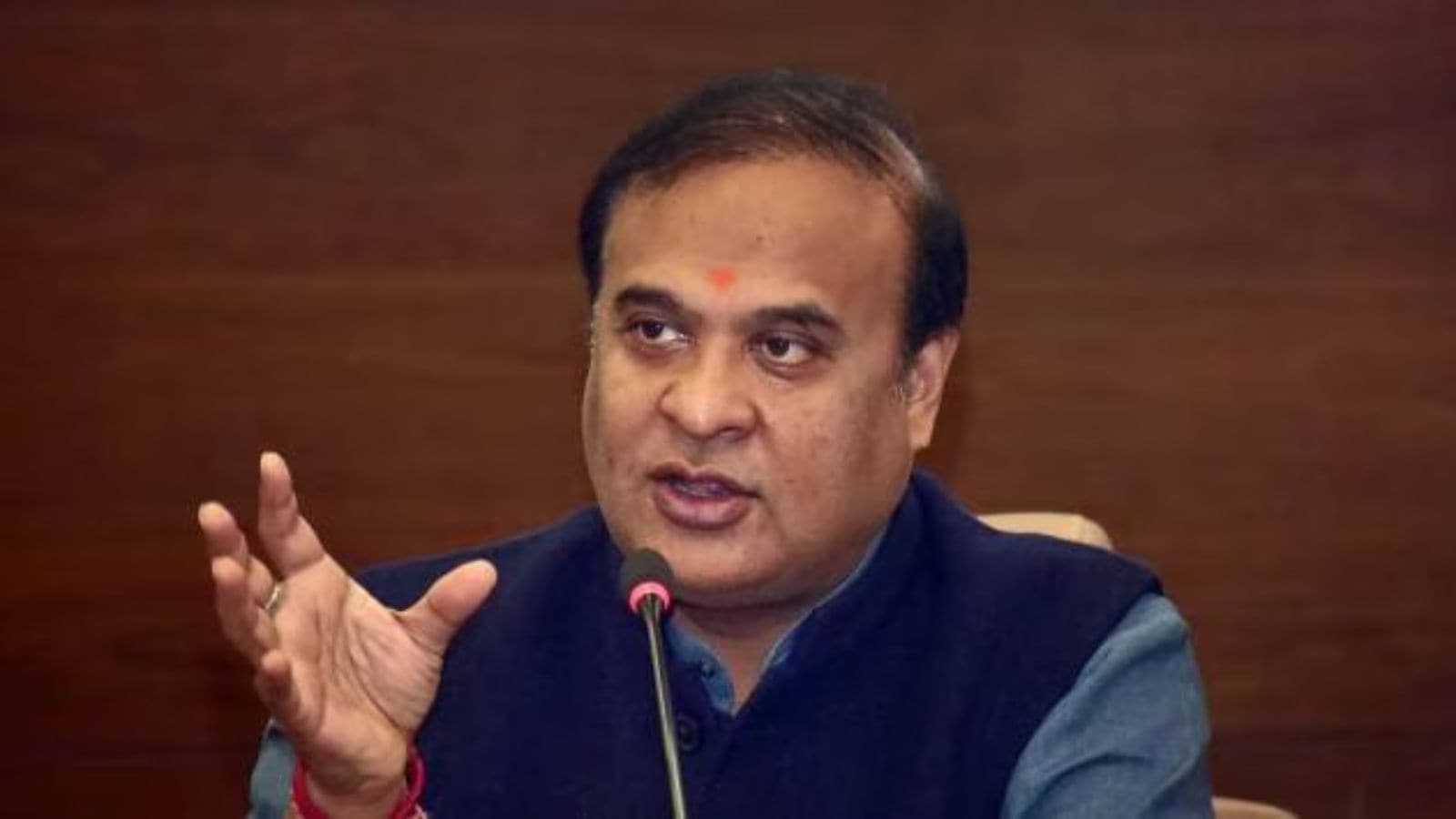
The Assam government has introduced a new scheme aimed at providing subsidised essential food items to ration card holders across the state. Launched on Monday by Chief Minister Himanta Biswa Sarma, the scheme offers monthly rations of masoor dal, sugar, and salt at significantly reduced prices. Additionally, the Chief Minister has promised to include one litre of mustard oil in the scheme if his party is re-elected in the upcoming Assembly elections next year.
Under the new initiative, each eligible family can purchase one kilogram each of masoor dal, sugar, and salt every month at highly affordable rates. Currently, the prices are set at Rs 69 for masoor dal, Rs 38 for sugar, and Rs 10 for salt. However, the Chief Minister announced that from January next year, these prices will be further reduced to Rs 60 for masoor dal, Rs 30 for sugar, and Rs 10 for salt, allowing the combined cost of all three items to be just Rs 100. This scheme is expected to benefit over 2.44 crore people in Assam who are registered under the National Food Security Act.
The financial backing for this initiative was announced earlier in the year during the state budget speech by Assam Finance Minister Ajanta Neog. The government has allocated Rs 370 crore for the scheme, which is part of a broader set of financial assistance programs unveiled in the budget. These programs are designed to expand support to new beneficiaries and strengthen existing welfare schemes ahead of the state elections, scheduled for early next year.
At the launch event, CM Himanta Biswa Sarma highlighted the comprehensive nature of the government’s welfare initiatives. He urged people to consider how much assistance a family could potentially receive from the government each month through various schemes. For example, a beneficiary of the flagship Orunodoi scheme receives Rs 1,250 monthly. Families with ration cards receive rice worth approximately Rs 800 each month, bringing the total to Rs 2,050. Additionally, the government transfers Rs 400 to beneficiaries’ bank accounts for gas cylinder purchases. For families with widows, a pension of Rs 1,250 is provided, and elderly members receive Rs 250. Adding these amounts together, a family could receive nearly Rs 4,000 in monthly assistance.
Sarma further explained that if there is a girl student in the family pursuing education from higher secondary to postgraduate levels, the family is eligible for an additional Rs 1,250 under the Nijut Moina scheme. This means that a family with all these benefits could receive up to Rs 5,000 per month. However, the Chief Minister also cautioned about the possibility of such schemes being discontinued, emphasizing the importance of continued government support.
The Orunodoi scheme, introduced in 2020, is a direct benefit transfer (DBT) program primarily targeted at women beneficiaries. It has become a cornerstone of Assam’s social welfare efforts. Earlier, in 2018, the state government had launched a monthly Rs 250 DBT pension scheme for senior citizens called the Swahid Kushal Konwar Sarbajanin Briddha Pension Asoni. The Nijut Moina scheme, started in 2023, aims to assist girl students financially to continue their education from higher secondary levels through postgraduate studies.
In addition to the food subsidy program, the Chief Minister also announced plans to provide an additional Rs 250 subsidy on gas cylinders, supplementing the existing central government subsidy under the Ujjwala scheme. This move is expected to ease the financial burden on low-income families for cooking fuel.
During his speech, CM Sarma appealed directly to the people, saying, “Today, if the government doesn’t look after poor people, who will? Why do you people vote for us?” He expressed his vision of expanding the scheme to include mustard oil, stating, “If we can get 1 litre of mustard oil as well, all troubles will be addressed… This time, we have given rice, dal, salt, sugar, Orunodoi, Nijut Moina, PM Ayushman Bharat, [and] CM Ayushman Bharat. We will give gas, too. Make us win next time, we will give mustard oil, too.” His promise underscores the government’s commitment to enhancing the welfare of Assam’s underprivileged communities.
This new subsidised ration scheme, coupled with the array of financial assistance programs in place, marks a significant effort by the Assam government to alleviate