
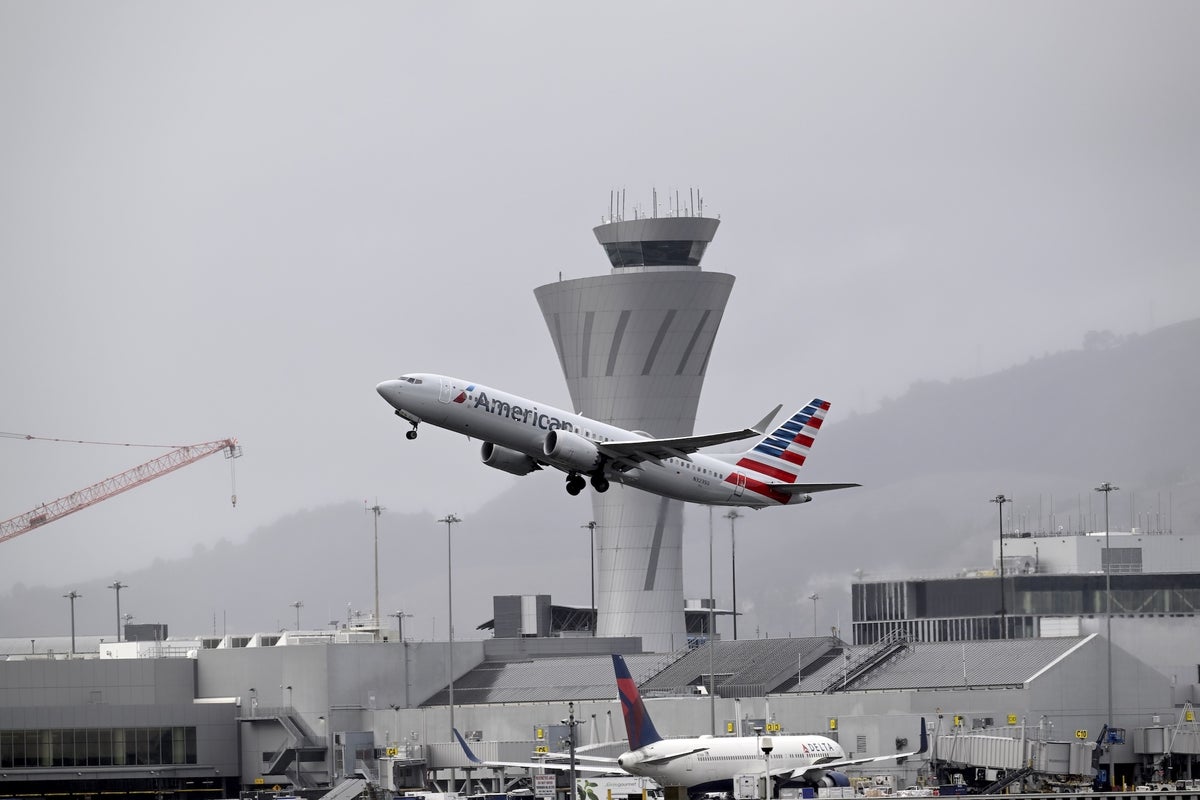
On November 7, 2025, the Federal Aviation Administration (FAA) announced a significant reduction in flights across 40 major U.S. airports, aiming to decrease air traffic by 10 percent in response to the ongoing federal government shutdown. This move comes amid mounting concerns about the safety and operational challenges caused by a short-staffed air traffic control (ATC) workforce, many of whom have been working without pay during the shutdown. The policy began with a 4 percent reduction on November 7, gradually rising to the full 10 percent by the following Friday.
FAA Administrator Bryan Bedford explained that the decision to reduce flights was driven by the need to ease the strain on controllers, who are operating under difficult conditions without regular compensation. Secretary of Transportation Sean Duffy emphasized the agency’s priority on safety, posing the critical question: whether the FAA’s role was to minimize delays and cancellations or to make tough decisions to keep the national airspace system safe. The answer, he said, is clear—safety must come first, even if it means inconveniencing travelers.
To better understand the implications of the FAA’s flight reduction plan, Scientific American spoke with Michael McCormick, an associate professor at Embry-Riddle Aeronautical University, who brings firsthand experience as a former air traffic controller and expertise in air traffic management. McCormick provided valuable insights into the rationale behind the FAA’s strategy, its historical context, and what passengers can expect moving forward.
McCormick was not surprised by the FAA’s decision, noting that a similar approach has been used on a smaller scale in the New York metropolitan area since before the summer of 2024. At that time, the government proactively asked airlines to reduce flights by 10 percent to cope with staffing shortages and maintain safety. Airlines responded by “upgauging” their aircraft—deploying larger planes to carry more passengers per flight. This tactic helped them sustain passenger throughput close to previous levels despite fewer flights.
He also pointed to a precedent set earlier in the year following a tragic collision at Ronald Reagan Washington National Airport involving a helicopter and a commercial airliner. After that incident, the FAA imposed hourly limits on flights into the airport as a safety measure, demonstrating that flight reductions are a known tool for managing airspace capacity during crises or staffing constraints.
While the current national-level reduction is unprecedented in scale, McCormick believes that as long as the transition to a 10 percent reduction happens gradually, the airlines should be able to adjust their schedules effectively. The agencies and carriers have experience with this type of operational adjustment, which involves prioritizing routes and flights based on passenger demand.
Regarding how airlines will decide which flights to cut, McCormick explained that flights with the lowest “load factor”—the percentage of seats filled—are the most likely to be canceled or consolidated. Airlines will aim to move passengers from less popular flights onto others that have been “upgauged” with larger aircraft. Additionally, carriers will evaluate their hub operations, potentially rerouting flights to less impacted airports or increasing direct flights to minimize connections, thus optimizing the reduced flight schedules.
One unexpected benefit of this reduction strategy is increased predictability for airlines amid the uncertainty caused by the shutdown. Previously, airlines and the FAA had to react on short notice to sudden staffing shortages when controllers called in sick or failed to report to work due to the lack of pay. This made planning difficult and led to last-minute cancellations and delays. Now, with a planned reduction in place, airlines can better coordinate their schedules, communicate more clearly with passengers, and manage crew and aircraft deployment more efficiently, even if some flights are canceled unnecessarily at airports where staffing is adequate.
The stress on air traffic controllers under these conditions is profound. McCormick described the system as already being in crisis before the shutdown, with the FAA facing a shortage of over 3,000 controllers nationwide. Many controllers routinely worked long overtime shifts, sometimes exceeding 60 hours a week, to keep the system running safely. The government shutdown has only worsened these pressures, adding financial anxieties to an already demanding job.
Controllers must handle intense cognitive workloads and time-sensitive decisions every day to ensure flight safety. The uncertainty of when they will receive paychecks adds a psychological burden, contributing to fatigue and stress. McCormick noted that the culture of air traffic control emphasizes being in command and maintaining control over the work environment; the shutdown has stripped away that sense of security, leaving controllers feeling powerless over a