
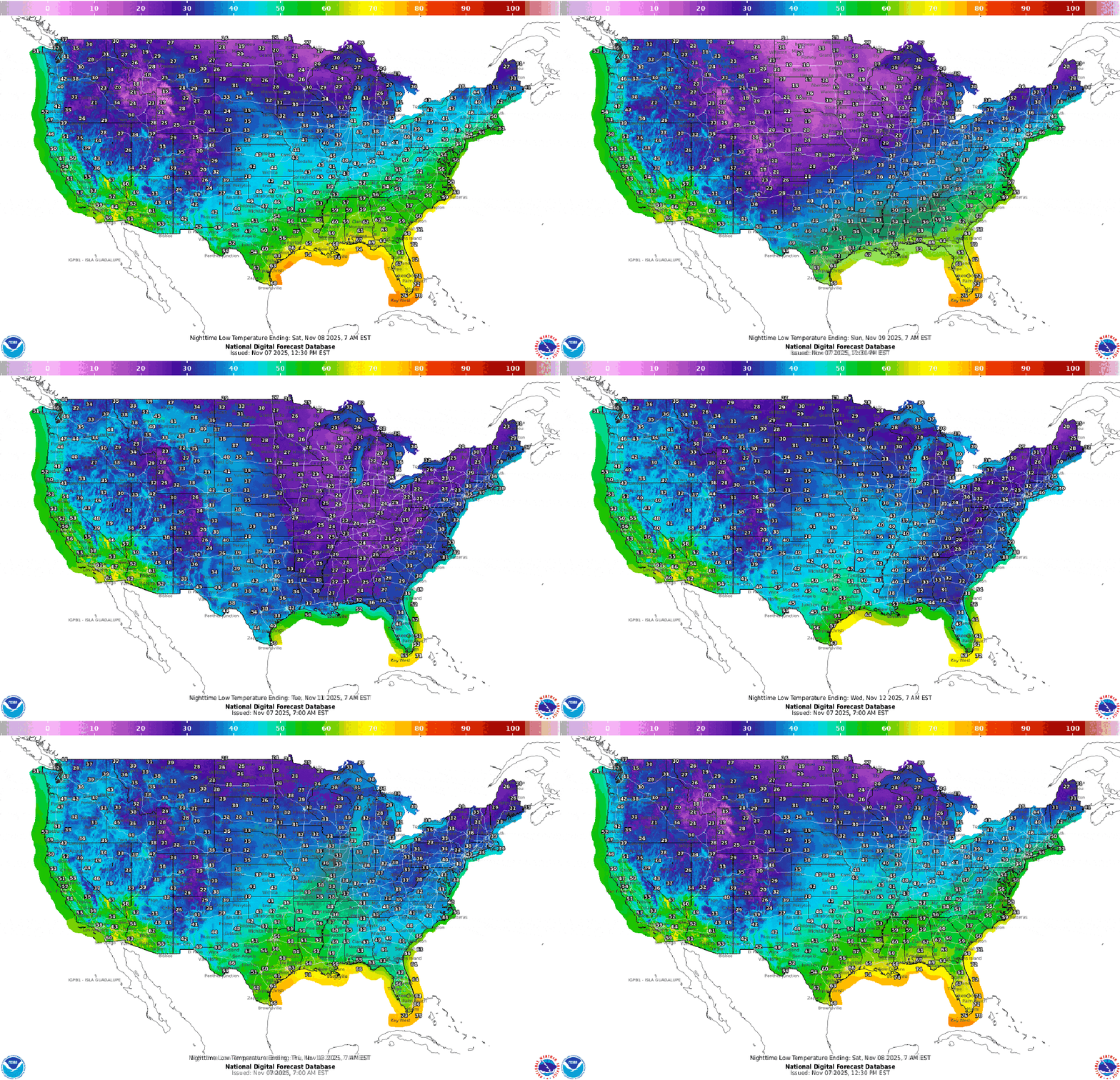
A significant and unusually early cold snap is set to sweep across much of the United States in the coming days, bringing a sharp drop in temperatures that could shatter longstanding records, particularly in the southeastern states. This Arctic blast of frigid air is expected to begin its descent into the central U.S. before pushing eastward, with the coldest conditions anticipated around November 10.
Meteorologists are closely monitoring the developing weather pattern, which features a combination of cold air mass moving southward from Canada and a low-pressure system forming over the Great Lakes region. The interaction between these systems is forecast to drive colder-than-normal temperatures deep into the heart of the country and then across the Southeast. This alignment, explained by meteorologists like Ashton Robinson Cook from the National Weather Service’s Weather Prediction Center, is expected to generate a counterclockwise swirl of air around the low-pressure area, funneling Arctic chill into areas unaccustomed to such severe early-season cold.
One of the most remarkable aspects of this cold snap is its timing. Many parts of the country, including central Texas, are currently experiencing unseasonably warm conditions, with daytime highs even reaching into the 90s Fahrenheit (above 32 degrees Celsius) shortly before the cold front arrives. This stark contrast will likely catch many residents off guard as temperatures plummet rapidly over a short period.
The scope of the chill is vast. According to calculations by The New York Times, up to half of the contiguous U.S. population may see temperatures dip below freezing during this event. This includes not only the typically colder northern and central states but also regions in the Southeast where sub-freezing temperatures are far less common, especially this early in the season. Daytime and nighttime lows in these southern states could break records that have stood for decades or even over a century, underscoring the intensity of the cold blast.
While the primary impact of this system will be on temperatures, some areas around the Great Lakes may also experience light snowfall, potentially accumulating a few inches. However, precipitation forecasts remain somewhat uncertain and subject to change as meteorologists continue to analyze evolving conditions.
The Southeast faces unique challenges from the cold snap beyond just record-breaking temperatures. In Florida and surrounding areas, the sudden drop in temperature poses risks to local wildlife, particularly cold-blooded creatures like iguanas. These reptiles can become “cold-shocked” when temperatures fall near or below 50 degrees Fahrenheit (10 degrees Celsius), causing them to lose blood flow and sometimes fall from trees. Wildlife experts advise that people should avoid handling these animals, as the iguanas may react defensively once they regain warmth and mobility.
Despite the severity and breadth of the cold air intrusion, experts emphasize that the event is expected to be relatively brief. Temperatures are forecast to rebound across the southern and southeastern United States by the middle of next week, with warming conditions returning by Wednesday following the cold snap. This rapid return to milder weather offers some relief, though the intensity of the cold during its peak could still have significant impacts on daily life, agriculture, and infrastructure.
This early-season Arctic blast serves as a reminder of the dynamic and sometimes unpredictable nature of weather patterns in the U.S. As climate and atmospheric conditions continue to evolve, such sudden and extreme temperature swings may become more common, underscoring the importance of preparedness and adaptive strategies for communities across the country.
The cold snap has drawn attention not only from meteorologists but also from science communicators and journalists who highlight the critical role of reliable weather forecasting and scientific reporting. Meghan Bartels, a senior reporter at Scientific American with extensive experience covering space and Earth science, has been among those explaining the event’s significance to the public. Her reporting helps contextualize the scientific factors driving the cold snap and underscores the broader importance of understanding and respecting weather phenomena.
Scientific American, a longstanding advocate for scientific literacy and research, uses such events to remind readers of the vital contributions that science makes to society. Through detailed coverage, engaging podcasts, and educational resources, the publication strives to keep the public informed about the natural world and the discoveries shaping our future.
In light of this early cold blast, residents across the central and eastern U.S. are encouraged to prepare for sudden cold conditions, safeguard vulnerable populations and animals, and stay tuned to trusted sources for the latest updates. While the cold will be intense, its brevity offers a silver lining, providing a glimpse of winter’s arrival without the prolonged hardships that can accompany sustained cold spells.
Overall