
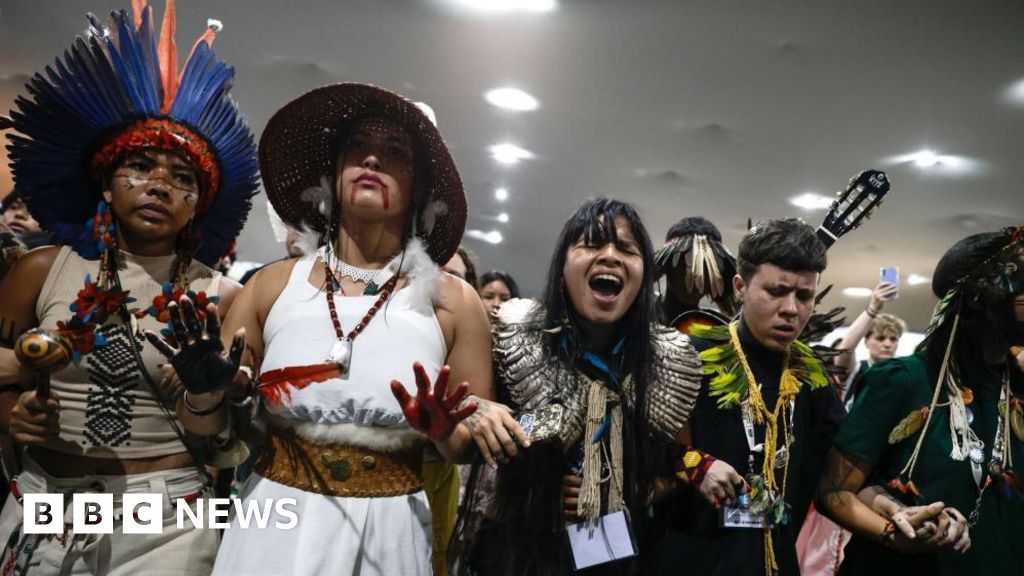
The COP30 climate talks, held in Brazil, have reached a critical impasse as negotiations extended well beyond their scheduled end time, with key issues surrounding fossil fuels and financial commitments remaining unresolved. Originally slated to conclude by Friday evening, the talks have run into a deadlock, with many delegates already departing, causing growing concern that a final agreement may not be secured in time.
A central aim for the host nation, Brazil, was to achieve a clear global commitment outlining how countries would phase out fossil fuels—coal, oil, and gas—which are the primary drivers of climate change. However, a draft agreement released on Friday morning omitted any direct mention of fossil fuels, a glaring absence that sparked strong opposition from several countries, including the United Kingdom. At the same time, numerous developing nations pushed for greater financial support to help them adapt to the severe impacts of climate change they are experiencing, arguing that wealthier countries have so far failed to meet their funding promises.
The closing plenary session remains scheduled for late Friday morning local time, but the need for consensus among all participating countries—an essential requirement for any deal under UN rules—adds pressure to the negotiations. The complexity arises from differing national interests shaped by factors such as economic dependence on fossil fuels, development status, and vulnerability to climate change impacts. This often leads to COP conferences extending beyond their planned duration, sometimes by more than a day.
For decisions to be adopted, two-thirds of the countries signed up to the UN climate convention must be present, but with many delegates leaving as the talks drag on, the window for agreement is rapidly closing. Brazil’s President Luiz Inácio Lula da Silva had expressed strong hopes that the talks would produce a "clear roadmap" to end reliance on fossil fuels, building on commitments made at COP28 in the United Arab Emirates two years earlier. At that conference, countries recognized the necessity of transitioning away from fossil fuels within their energy systems, a milestone acknowledgment. The roadmap concept had garnered support from dozens of nations, including the UK, but faced stiff resistance from oil-producing countries.
Those nations argued for their right to continue developing fossil fuel reserves, pointing out that wealthier countries had historically done the same. Their preferred approach emphasizes reducing emissions through technological solutions such as carbon capture and storage, rather than curbing fossil fuel extraction and use outright. This stance has drawn criticism from scientists who contend that relying on technology without addressing fossil fuel production fails to tackle the root cause of climate change effectively.
Complicating matters, many developing countries have been reluctant to endorse an agreement that focuses on fossil fuel phase-out before securing adequate financial assistance from richer nations. These countries bear the brunt of climate change’s harshest effects despite having contributed the least to global emissions. They have consistently called for increased funding to help them adapt and build resilience, highlighting that financial commitments made in previous climate summits have often fallen short.
The Friday draft agreement’s omission of fossil fuel mentions was unacceptable to many, especially those advocating for a strong, clear transition plan. UK Energy Security and Net Zero Secretary Ed Miliband underscored his determination to keep the fossil fuel phase-out roadmap alive, stating efforts would continue in "one way or another" despite the setback. The draft did, however, include a call to triple climate finance by 2030 to aid vulnerable countries in adapting to climate change. Yet, it stopped short of specifying whether this funding should come from governments of wealthy nations or from private sector investments, leaving an important detail unresolved.
While Brazil pushes for more ambitious fossil fuel commitments globally, it has faced scrutiny over its own energy plans. Analysis shared with the BBC by the campaign group Global Witness, based on data from the respected energy consultancy Rystad Energy, projects that Brazil’s offshore oil and gas production will continue to rise until the early 2030s. President Lula has defended the country’s fossil fuel development, arguing that revenues from oil can finance the transition to cleaner energy sources within Brazil. He also highlighted his administration’s achievements in significantly reducing deforestation rates in the Amazon rainforest, a critical factor in global climate regulation.
In efforts to bolster forest conservation worldwide, President Lula launched a fund aimed at preventing the loss of tropical forests. However, securing commitments from other nations to support this fund has proven difficult, reflecting the broader challenges of aligning national interests in global climate negotiations.
As the COP30 talks approach their final hours, the atmosphere remains tense, with significant divisions over how to balance climate ambition with economic and developmental realities.