
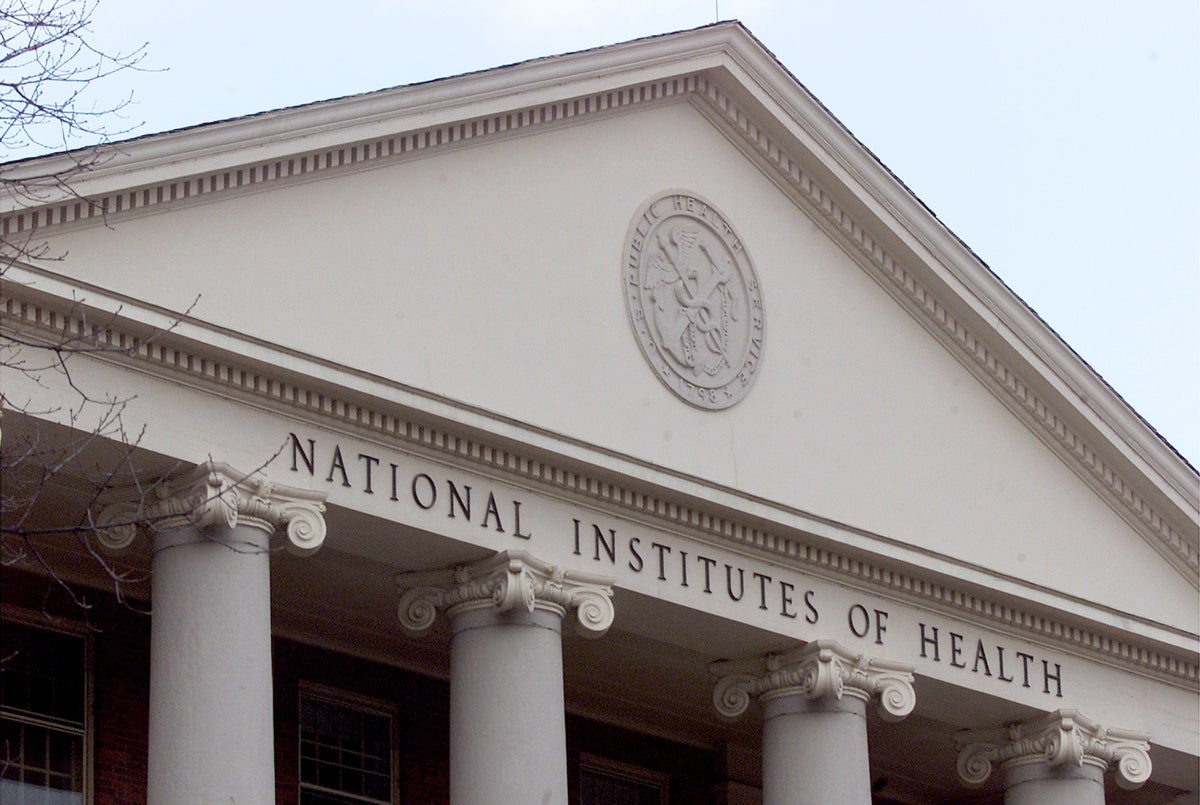
In the past year, the National Institutes of Health (NIH) has terminated funding for at least 383 clinical trials, impacting approximately 74,000 participants. This significant reduction in research support has affected a broad spectrum of medical investigations, including studies on cancer, COVID-19, sickle cell disease, sleep disorders, lung cancer, cardiovascular disease, infectious diseases, and mental health conditions. These terminations represent about one in every thirty clinical trials federally funded by the NIH, a powerful agency with a $48-billion research budget. The scope and scale of these funding cuts were detailed in a recent study published in JAMA Internal Medicine, revealing the wide-reaching consequences of this shift in research priorities.
The list of abandoned clinical trials, obtained by Scientific American through the JAMA study, exposes the diversity of areas impacted by these funding decisions. The trials spanned numerous critical health issues, reflecting the broad influence of the NIH across medical research fields. The cuts come in the wake of policy changes implemented during the Trump administration, which aimed to reduce federal spending and eliminate funding for studies perceived as misaligned with its priorities. The result has been a substantial interruption to ongoing research, leaving thousands of participants without the opportunity to complete studies that could have contributed vital knowledge to medical science and potentially offered them access to innovative treatments.
Vishal Patel, a physician at Brigham and Women’s Hospital and co-author of the JAMA study, emphasized that the affected trials were not confined to niche areas but included some of the most significant health burdens faced by patients. Cancer, cardiovascular disease, infectious diseases, and mental health disorders were all among the conditions whose research programs were discontinued. This wide-ranging impact illustrates the depth of the NIH’s funding revisions and raises concerns about the potential setbacks to advances in healthcare and treatment options.
The NIH and the Department of Health and Human Services (HHS) have responded to these findings with strong rebuttals. Andrew Nixon, a spokesman for HHS, stated that the agency continues to fund and oversee more than 42,500 active, recruiting, or planned clinical trials across all major disease areas. Nixon insisted that the media focus on a limited set of paused studies should not distort the overall picture of NIH’s commitment to high-quality clinical research. He asserted that the agency remains dedicated to ensuring taxpayer money supports programs grounded in evidence-based practices and scientific rigor, rather than political or ideological agendas.
Despite these assurances, the termination of so many trials has raised ethical and practical concerns among medical researchers and ethicists. Clinical trials rely heavily on the voluntary participation of individuals who often enroll with the hope of contributing to scientific knowledge or gaining access to new treatments. The early cancellation of trials can undermine the trust between researchers and participants, as well as potentially expose participants to unanticipated harms. Bruce Psaty, an epidemiologist at the University of Washington, highlighted that the involvement of political factors in NIH funding decisions represents a departure from traditional ethical standards that govern the cessation of clinical trials. Typically, trials are stopped early only for reasons such as clear evidence of harm or overwhelming benefit, not due to shifts in political priorities.
Psaty pointed out that stopping trials prematurely not only breaks the promise made to participants about contributing to medical knowledge but also disrupts the work of investigators and their institutions. Such interventions may result in wasted resources, lost scientific opportunities, and possible negative impacts on patients who had enrolled in the studies hoping for medical advances. The politicization of research funding decisions, he warns, could have long-term adverse effects on the relationship between the medical research community and the public.
The broader context of these funding cuts highlights the complex interplay between science, politics, and public health. The NIH, as the foremost federal agency supporting medical research in the United States, plays a crucial role in advancing treatments and understanding of diseases that affect millions. Funding decisions inevitably involve prioritization, but the abrupt termination of hundreds of clinical trials raises questions about the criteria and transparency of these choices. It also underscores the vulnerability of scientific research to shifts in political agendas, which can have repercussions not only for the progress of science but also for patient care and public trust.
For the many individuals who volunteered for these trials, the cancellations represent more than just lost scientific opportunities—they are personal setbacks. Participants often invest time, hope, and sometimes endure risks when they join clinical trials. Abruptly halting studies can leave them without access to potentially beneficial interventions and disrupt the continuity of care. Moreover, the scientific community loses valuable data and momentum