
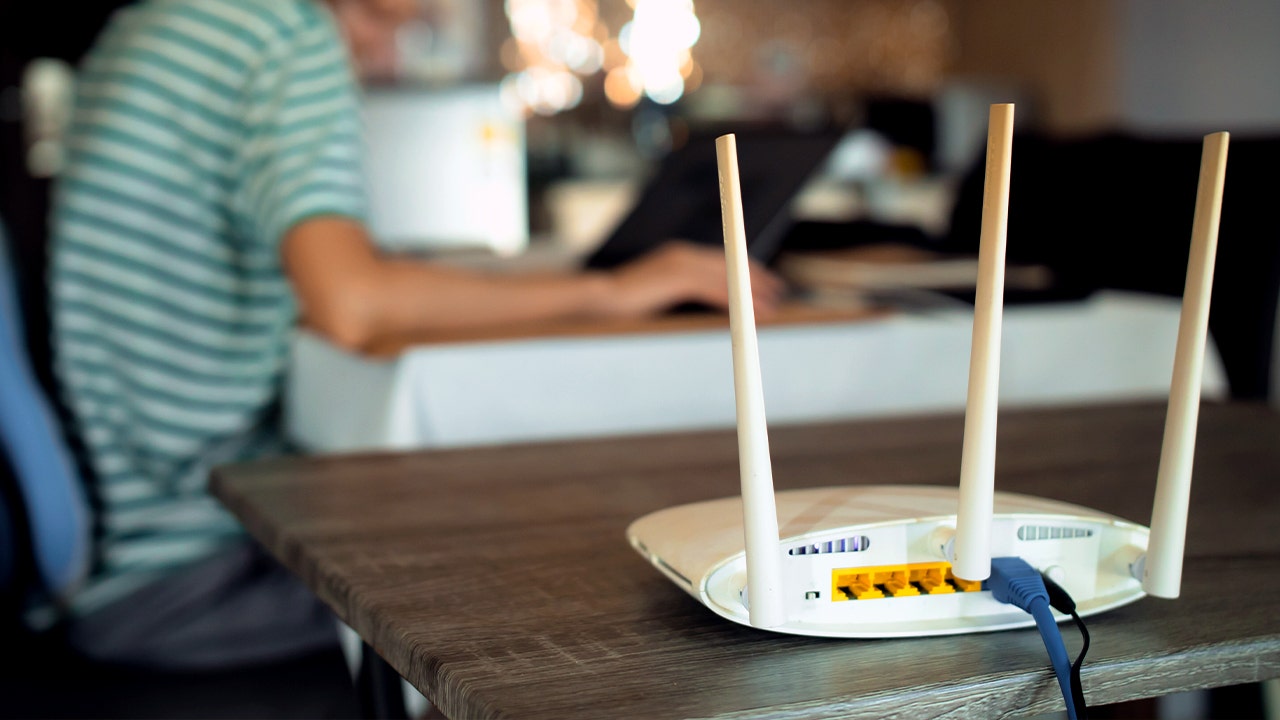
Securing your home Wi-Fi network with a strong password is an important first step in protecting your internet connection. However, while a robust password can effectively keep unauthorized users from accessing your network, it does not fully safeguard your online activity or privacy. Understanding the limitations of Wi-Fi passwords and the additional protections available is crucial for maintaining your digital security in today's interconnected world.
A Wi-Fi password primarily functions as a barrier to prevent strangers from joining your network. This helps ensure that only devices you trust can connect and reduces the risk of bandwidth theft or malicious activities originating from unknown users. Yet, the password alone does not encrypt or obscure your internet traffic once it leaves your home network. This means that although the door to your network is locked, the data passing through it may still be exposed to surveillance or interception.
One of the key entities that can monitor what you do online is your internet service provider (ISP). When you connect to the internet from your home, your ISP has visibility into a surprising amount of your online behavior. This can include the websites you visit, the duration of your visits, and sometimes even more granular details about your browsing habits. In certain cases, this data can be collected, stored, or shared, raising privacy concerns for many users.
Beyond ISPs, a wide array of other organizations track your online activity. Websites and apps frequently gather data to improve services or target advertisements, often without explicit user awareness. Large technology companies, governments, and data brokers also collect and analyze behavioral information, sometimes combining it from multiple sources to create detailed profiles. This extensive data collection ecosystem means your online actions are rarely as private as you might assume.
To better protect your privacy, many experts recommend using a virtual private network (VPN). A VPN establishes a secure, encrypted connection-or "tunnel"-between your device and a remote server. This encryption scrambles your data before it leaves your home network, making it much more difficult for anyone, including your ISP, to monitor or intercept your activity. Additionally, connecting through a VPN provides you with a new IP address, which helps mask your real location and device identity.
This masking effect is important because your IP address acts like a digital fingerprint that can be used to track your movements across the internet. Advertisers, social media platforms, and cybercriminals can leverage IP addresses to build behavioral profiles or target you with scams such as phishing attacks. By using a VPN, you significantly reduce the chances of being tracked or profiled in this way.
VPNs are not only useful at home but become even more critical when you use public Wi-Fi networks, such as those in cafes, airports, or hotels. Public Wi-Fi connections are often unsecured, making it easier for hackers or malicious actors to intercept unencrypted data. A VPN's encryption protects your information in these vulnerable environments, ensuring your privacy and security wherever you go online.
Many VPN services today are designed to be user-friendly and compatible with a wide range of devices. They often offer dedicated apps for smartphones, tablets, laptops, and even smart TVs or gaming consoles. Some VPN providers also allow you to configure the service directly on your home router, which automatically protects every device connected to your network without requiring individual setup.
Using a VPN typically involves just a simple click or tap to activate the encrypted connection. Most providers maintain high-speed servers around the world, so enabling a VPN does not necessarily slow down your internet performance. In some cases, it can even improve speed consistency by preventing your ISP from throttling-or intentionally slowing down-your connection based on your online activities.
Besides basic encryption and IP masking, many VPN providers now include additional privacy tools. These can range from password managers and email protection services to identity monitoring and specialized private AI tools aimed at enhancing your data security. This expansion of features reflects the growing awareness that protecting your digital footprint requires more than just securing your internet connection.
Your home Wi-Fi network serves as the gateway for many critical online activities, including banking, shopping, work, and social communication. While locking your Wi-Fi with a strong password is essential, it is comparable to locking your front door but leaving your windows uncovered. A VPN acts as an added layer of protection, quietly working in the background to safeguard your entire digital life.
Ultimately, incorporating a VPN into your home network setup provides both practical security benefits and peace of mind. It helps you take control over who can see your online behavior and reduces the risk of data exposure or misuse. This simple upgrade transforms basic network security into comprehensive privacy protection without requiring changes to how you use the internet daily.
For those interested in exploring VPN options, expert reviews and guides are available to help choose the best software for various devices, including Windows, Mac, Android, and iOS platforms. By pairing a strong Wi-Fi password with a reliable VPN service, you can significantly enhance your online privacy and keep your digital footprint more secure.
In conclusion, while a strong Wi-Fi password is a smart first step to securing your home network, it is not enough to fully protect your online privacy. Your internet activity remains visible to ISPs, websites, and other entities that collect data, often without your knowledge. Using a VPN adds a critical layer of encryption and anonymity, helping to shield your browsing habits, mask your IP address, and guard against tracking and profiling. This combination of measures protects your digital life more effectively and offers greater confidence as you navigate the internet.