
)
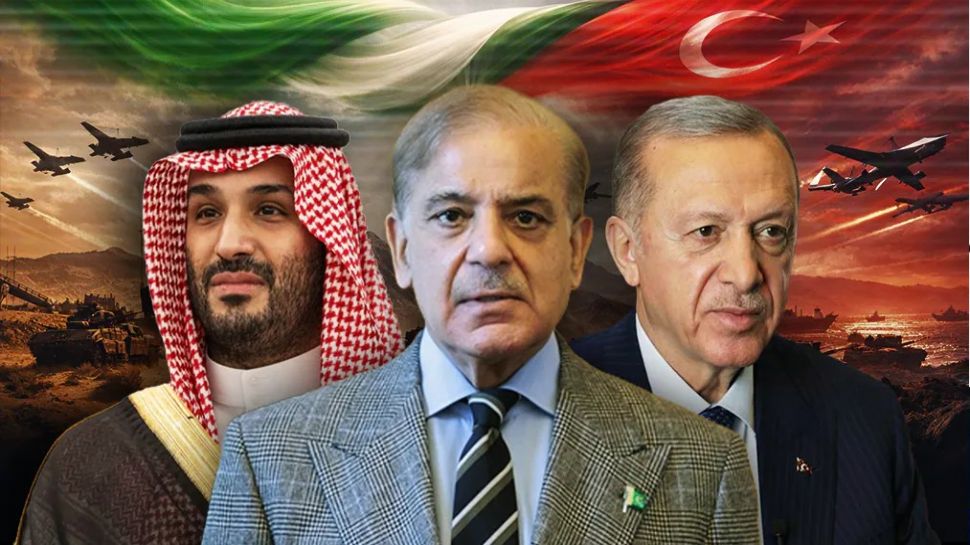
Pakistan's aspiration to establish itself as the leading military and security partner among Muslim nations through the creation of an "Islamic NATO" is increasingly facing significant challenges, leading to strategic setbacks and growing isolation. This ambitious vision, championed under the leadership of Field Marshal Asim Munir, sought to unite key Muslim countries such as Saudi Arabia, Turkey, Egypt, and Somalia into a coordinated defense and security arrangement. However, shifting regional dynamics, internal political complexities, and diplomatic failures have exposed the limitations of Pakistan's strategy, diminishing its influence and credibility in the Muslim world.
The core of Pakistan's strategy was to build a joint security framework that would elevate its regional standing and enable it to play a decisive role in Muslim affairs. This vision, once seen as bold and potentially transformative, has encountered numerous obstacles. One of the primary challenges arises from Pakistan's complicated internal political landscape, which directly affects its foreign policy and military decisions. Approximately 15 percent of Pakistan's population belongs to the Shia community, represented in both military and civilian institutions. This demographic reality constrains Pakistan's ability to openly support Iran, a Shia-majority country, without risking internal unrest and sectarian tensions.
At the same time, openly backing Tehran could alienate Pakistan's Sunni-majority allies in the Gulf and strain ties with Western partners, who often view Iran with suspicion. This dual pressure has forced Islamabad into a cautious and often ambiguous stance, especially during critical regional crises. The resulting silence and hesitancy have drawn attention and disappointment from Gulf capitals, where expectations for Pakistan's defense commitments were high. Countries that once regarded Pakistan as a reliable security partner now question its resolve and reliability, perceiving Islamabad as constrained by internal pressures rather than guided by a clear strategic vision.
Diplomatic setbacks have further eroded Pakistan's standing. Notably, Islamabad's offer to mediate between Iran and the United States was rebuffed by Tehran, highlighting a growing trust deficit between the two neighbors. This rejection came in the context of already strained relations following Iranian airstrikes targeting the Jaish-al-Adl militant group in Pakistan's Balochistan region in January 2025, an action that widened the rift and curtailed opportunities for diplomatic cooperation. These developments underscored the reality that Pakistan's regional influence is limited and subject to the complex geopolitical rivalries at play.
Amid these external and internal pressures, Pakistan's military has shifted focus toward domestic security operations, particularly in restive regions such as Balochistan and Khyber Pakhtunkhwa. Heightened military activity in these areas appears aimed at asserting control and maintaining stability, signaling strength at a time when Pakistan's diplomatic position is perceived as weak. Observers note that this internal crackdown may also be a response to mounting pressures, projecting an image of control to both domestic and international audiences.
However, this focus on internal security raises concerns about escalating tensions along the India-Pakistan border. Indian security agencies remain alert to any developments that could indicate rising aggression or conflict, as past patterns suggest that domestic pressures within Pakistan sometimes lead to heightened external tensions. Consequently, New Delhi is exercising caution, closely monitoring the situation to prevent any inadvertent escalation.
The grand vision of an "Islamic NATO" as a coordinated Muslim security bloc, once seen as a strategic masterstroke, now appears increasingly difficult to realize. Changing alliances in the Muslim world, Pakistan's internal political constraints, and a series of diplomatic disappointments have chipped away at the feasibility of this project. General Munir's elevation to field marshal was interpreted by some analysts as an attempt to consolidate military power and reinforce Pakistan's leadership role. Yet, the evolving regional landscape presents obstacles that are proving challenging to surmount.
Pakistan finds itself in a precarious position, caught between competing internal interests and a complex external environment. The government's limited options and the erosion of diplomatic ties leave Islamabad with less maneuvering space. The "Islamic NATO" concept, initially a symbol of Pakistan's ambition and regional aspirations, now illustrates the difficulties imposed by shifting regional politics. As alliances evolve and tensions mount, Pakistan's ability to act decisively and influence regional affairs is increasingly constrained, adding pressure on its strategic goals.
In summary, Pakistan's pursuit of leadership in the Muslim world through a coordinated security alliance has met with significant difficulties. Internal sectarian dynamics, the need to balance relations with Iran and Sunni-majority allies, and diplomatic rebuffs have weakened its position. The country's military focus on internal security reflects these pressures but also risks aggravating regional tensions, particularly with India. The failure to take a clear and consistent stand during key regional crises has affected Pakistan's credibility as a security partner, leading to growing skepticism among its traditional allies.
The situation serves as a reminder of the complex interplay between domestic politics and foreign policy in Pakistan, and how regional ambitions can be curtailed by internal divisions and external geopolitical realities. While Islamabad's desire to play a leading role in Muslim security matters remains, the practicality of such ambitions is under question given the current political and strategic constraints. Moving forward, Pakistan faces the challenge of redefining its role in a rapidly changing regional environment while managing domestic pressures and maintaining its strategic partnerships.
For ongoing developments on this topic and related regional security issues, reliable sources such as Zee News provide real-time updates and analysis.