
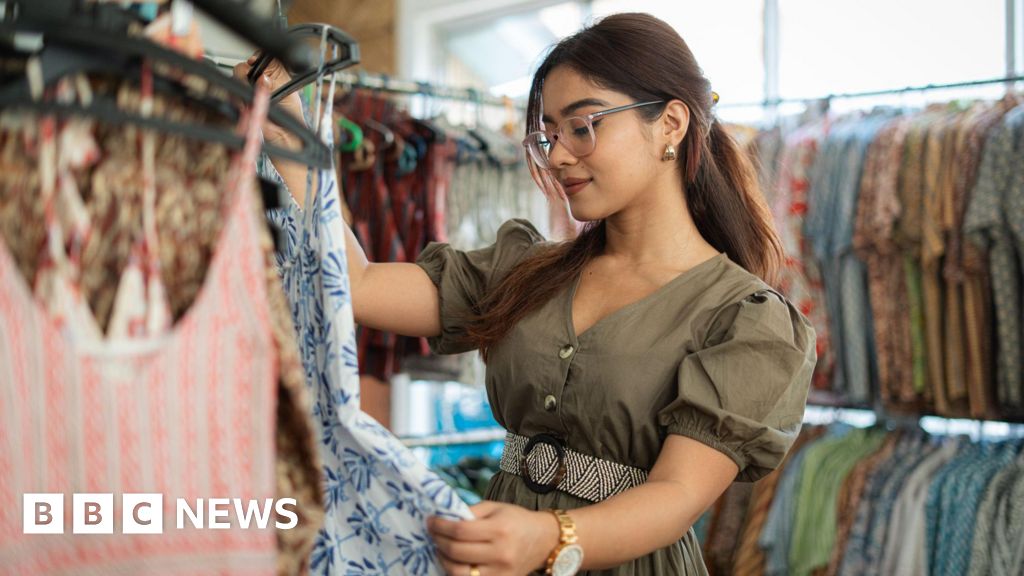
In the bustling town of Sangli in western India, the newly opened three-storey Reliance Trends outlet offers a strikingly modern shopping experience that contrasts sharply with the traditional marketplaces that many locals have known all their lives. Alka, a woman in her late 50s who works in geriatric care, exemplifies this change. She was drawn to the store to find a particular Indian ethnic-wear kurta in baby pink with a dull gold paisley motif—a design she had seen at her workplace and immediately wanted to buy for her daughter. For Alka, shopping at this air-conditioned, well-organized store with multiple floors, trial rooms, attentive staff, and discount scratch cards marked a refreshing departure from her usual experience of hunting for bargains in street-side bazaars.
This shift in shopping habits is part of a larger transformation sweeping across India’s retail landscape, especially in smaller towns and tier-2 and tier-3 cities. Budget brands like Reliance Trends—owned by Isha Ambani, heiress to the Reliance Industries empire—and Tata’s Zudio are offering customers merchandise at price points comparable to traditional bazaars but with a vastly improved shopping environment and contemporary designs. Most items in these stores range between $4 and $15, making branded apparel affordable to the growing class of value-conscious yet aspirational consumers.
Retail analysts see this trend as a “bottom-of-the-pyramid” strategy that has fueled remarkable growth in India’s organised fast-fashion sector. Pankaj Kumar, a retail analyst with Mumbai-based Kotak Securities, points out that while Indians have traditionally preferred unbranded, low-cost goods, rising aspirations and a desire to wear branded clothes are driving demand for affordable fashion with a modern twist. This demand has been especially pronounced in smaller cities, where consumers are beginning to prioritize shopping experiences as much as price.
Among the standout success stories is Zudio, a brand that has seen exponential growth in the past few years. In 2018, Zudio operated only seven stores and earned around $12 million in revenue. Meanwhile, Tata Group’s Westside, a more established mid-to-premium fashion brand, had 125 stores and $220 million in revenue. Fast forward to mid-2025, and Zudio has expanded to an astonishing 765 stores, with revenues projected to exceed $1 billion. This makes Zudio the only Indian clothing brand to cross the billion-dollar revenue mark, outpacing global fast-fashion giants like Zara and H&M as well as its own parent company’s Westside brand, which has grown at a slower pace despite doubling its store count and tripling revenue.
Industry experts attribute Zudio’s success to its aggressive mass-market approach and competitive pricing, which make fashion accessible even in India’s smaller towns where affordable fashion is still considered a luxury. Furthermore, the brand’s rapid inventory turnover—just 15 days compared to 45-60 days for many competitors—enables it to quickly introduce new styles, keeping the shopping experience fresh and encouraging frequent visits. This fast-fashion playbook was inspired in part by an early partnership between Trent (Zudio’s parent company) and Zara, allowing Zudio to adapt global trends to India’s unique market dynamics.
However, this rapid rise of organised fast fashion has not come without consequences. Local mom-and-pop stores, which have long dominated India’s retail landscape, are struggling to compete with both these budget brands and the surge of e-commerce platforms like Meesho. Meesho aggregates millions of sellers and offers cheap goods across the country, growing its bottom line by 35-40% annually. The combined impact of physical retail chains and digital marketplaces is reshaping consumer behavior and retailing across India.
This shift from informal to formal retail channels is part of a broader economic change. Kushal Bhatnagar, a consultant at Bengaluru-based Redseer Strategy Consultants, explains that Indian consumers are not necessarily spending more money overall on apparel; rather, they are reallocating their budgets, moving purchases from unbranded, local stores to branded outlets offering better quality, design, and shopping experience. This “wallet shift” reflects growing consumer sophistication and the rising influence of fashion trends, even in smaller cities.
Despite this surge in fast-fashion’s popularity, the overall apparel market in India remains underdeveloped compared to other countries. The market is currently estimated to be between $70 billion and $100 billion, but per capita spending on clothing is significantly lower than in countries like China,