
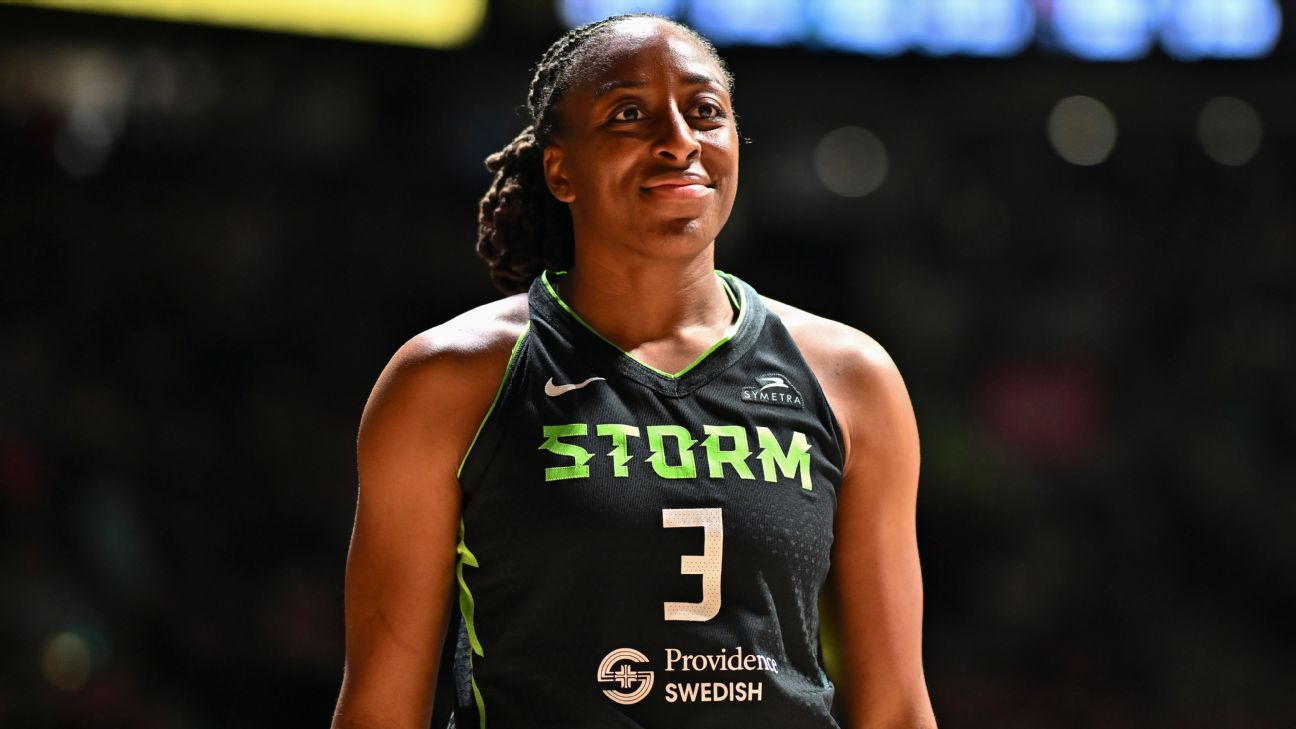
After months of intense negotiations culminating in a marathon weeklong bargaining session, the WNBA and its players association have successfully agreed on a groundbreaking collective bargaining agreement (CBA) that promises to transform the league. Both parties aimed for a deal that would create lasting, positive change, and the new CBA delivers on that promise by enhancing players' salaries, benefits, and working conditions while establishing a framework for sustained growth in the future.
This new agreement benefits not only current players but also future and retired players who have contributed to the league's development over its nearly 30-year history. Current players will see significant salary increases, a real stake in the league's revenue, and improvements in workplace conditions. Future players will benefit from a compensation structure built on the gains made in this deal. Meanwhile, retired players who have at least five years of service will receive "recognition" payments to honor their contributions to the WNBA's growth. Although the official CBA document has not yet been publicly released, a copy obtained by ESPN reveals enough details to highlight the key accomplishments of this landmark agreement.
The deal spans seven years, with a possible opt-out after the 2031 season, setting the stage for labor stability and cooperation for at least half a decade. This stability is crucial for the league's continued development and for enhancing the product on the court, which in turn benefits the fans and the team owners alike. Below are the ten most significant wins contained within the new CBA that will positively affect players, teams, and the league overall.
### 1. Meaningful Revenue Sharing
One of the most contentious negotiation points was revenue sharing between players and owners. Revenue sharing is crucial because it aligns player compensation directly with league growth, allowing players to benefit collectively from the league's success rather than just their individual achievements. The new CBA grants players 20% of the league's gross revenue. While this figure is lower than the players originally sought, it represents a realistic and sustainable number that both players and owners can support and build upon in future agreements.
For players, revenue sharing provides a sense of ownership and investment in the league's success. For owners, it ensures that franchises remain financially viable, protecting their investments and enabling the league to grow responsibly. Achieving consensus on revenue sharing was essential to finalizing the deal.
### 2. Improved Salaries and Team Flexibility
The new salary structure represents a major step forward for WNBA players at all levels of experience and contribution. Salaries will increase substantially across the board, signaling a new era of financial recognition and respect for the athletes. Starting in 2026, player salaries will range from a minimum of $270,000 to a maximum of $1.4 million, a significant increase from 2025's maximum team salary cap of $1.5 million, which will jump to $7 million by 2026.
This salary framework not only puts more money in players' pockets but also provides franchises with greater flexibility in constructing their rosters. Teams can opt to build a larger "middle class" of solid contributors around their star players, tailoring their approach to competitive balance and financial management. While these salaries still do not rival those in the major men's professional sports leagues, the progress made is substantial when compared to where those leagues stood at a similar stage in their development, marking real advancement for the WNBA.
### 3. Official Charter Travel
Travel has been a longstanding issue affecting player health, comfort, and professionalism in the WNBA. Although the league switched to charter flights in 2024-an important improvement that reduced the physical toll on players and eliminated many embarrassing travel mishaps-this upgrade was not formally codified in the previous CBA. The new agreement rectifies that by making charter travel an official part of the contract, guaranteeing that players will continue to benefit from this higher standard of travel for the duration of the deal.
Charter flights not only improve players' recovery and readiness for games but also enhance the league's overall image, reducing the amateurish travel problems that occasionally plagued the WNBA in past seasons.
### 4. Enhanced Health and Wellness Provisions
Player health and wellness are prioritized like never before under the new CBA. The agreement mandates expanded medical staffing for teams, requiring them to employ a more comprehensive medical team that includes two athletic trainers, two team physicians, a strength and conditioning coach, a physical therapist, a massage therapist, and access to a nutritionist. Previously, teams were only required to have an athletic trainer and a team physician.
Additionally, players suffering injuries will have the right to seek a second medical opinion at the team's expense, ensuring they receive the best possible care. Mental health support also improves under the agreement, with players eligible for up to $2,250 in mental health expense reimbursement per season starting in 2027.
Facility standards will also improve, with teams required to meet minimum benchmarks by 2028, including private medical and treatment rooms. While some franchises already provide these services, the CBA ensures that all teams must meet these standards, raising the overall quality of care and support league-wide.
### 5. Stronger Family Support and Protections
The new CBA makes significant strides in addressing the needs of players who are mothers or planning families, reflecting the union's and league's commitment to supporting athletes' family lives. Notably, the agreement requires teams to obtain a pregnant player's consent before trading her. This provision directly responds to the controversy surrounding the 2022 trade of Dearica Hamby, who alleged she was traded because she was pregnant, leading to a lawsuit and widespread discussion about the treatment of pregnant players.
The new rule removes ambiguity and protects players from being moved without their consent during pregnancy. Additionally, teams will have expanded flexibility under the salary cap to cover the full salary of a pregnant player, protecting both the player and the team financially.
The CBA also expands family benefits by increasing the players' life insurance coverage from $100,000 to $700,000, requiring that dependent children aged 13 and under be allowed to travel with teams, and granting two weeks of paid leave for non-birthing parents. These measures demonstrate a holistic approach to supporting players' family responsibilities and enhancing their quality of life.
### 6. Guaranteed Roster Sizes
Recognizing the physical demands of the sport and the need for rest and development, the new CBA introduces roster size guarantees to address injuries and player growth. While the article does not specify the exact details, the agreement aims to provide teams and players with flexibility to manage injuries, ensure adequate rest, and nurture younger players as they develop their professional potential.
This provision helps maintain competitive balance and player health by ensuring teams have enough players to handle the rigors of the season without overburdening individuals.
---
While the article provided covers six of the most notable wins in the new WNBA collective bargaining agreement, each of these achievements marks a notable advance in professionalizing the league and improving the lives of its athletes. The CBA's enhancements in revenue sharing and salaries recognize the players' contributions and provide them with a real stake in the league's success. The focus on health, wellness, and family support addresses the unique challenges faced by professional women athletes, creating a more sustainable and humane working environment. Improvements in travel and roster management contribute to better player readiness and the overall quality of the game.
In sum, this "transformational" agreement lays a strong foundation for the WNBA's continued growth and success. By fostering labor peace and mutual investment between players and owners, the league is poised to enhance its product on the court and its appeal to fans. As the WNBA enters its 30th season, this new CBA marks a milestone moment that honors the past, rewards the present, and builds a promising future for women's professional basketball.