
Pain is a universal human experience, from minor stubs and headaches to chronic, debilitating discomfort. While occasional aches can often be managed with over-the-counter remedies, a significant portion of the population suffers from chronic pain that persists long after an injury has healed. New insights from pain science challenge common assumptions about pain and open up promising avenues for better management and relief.
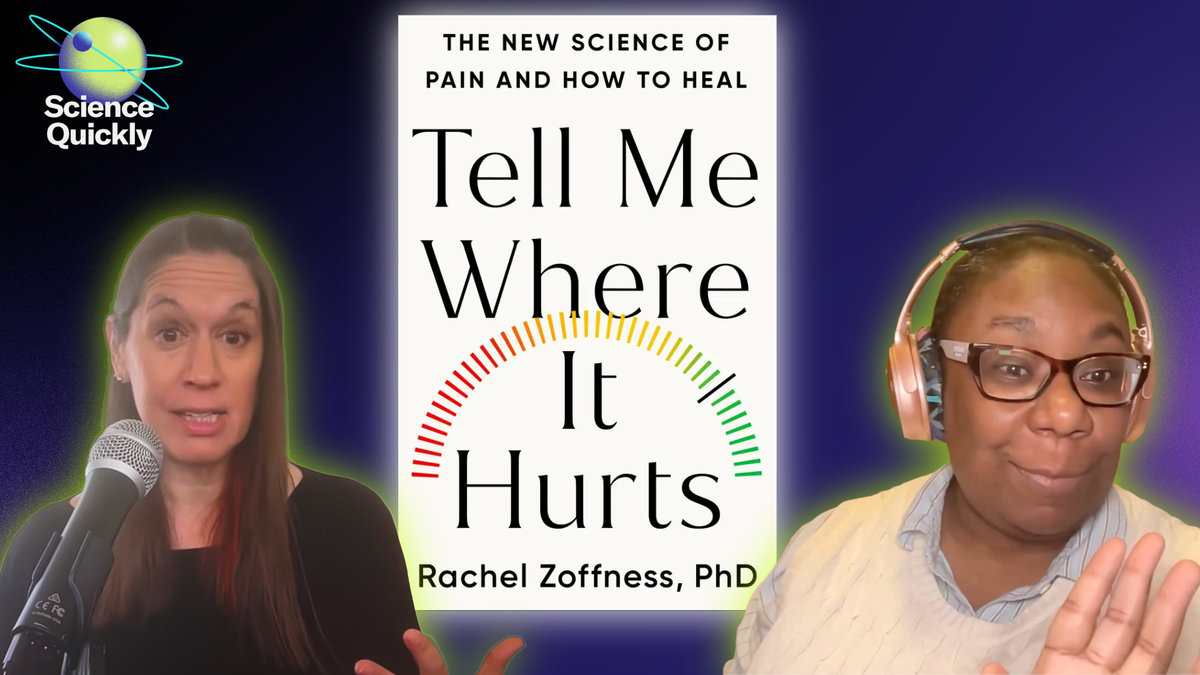
According to data from the U.S. Centers for Disease Control and Prevention (CDC) in 2023, about one in four American adults live with chronic pain. Despite its prevalence, pain is frequently misunderstood - not only by the public but even by healthcare providers. Rachel Zoffness, a pain scientist and assistant clinical professor at the University of California, San Francisco, who also teaches at Stanford University, emphasizes that many people endure more pain than necessary because of these misconceptions. Her recent book, *Tell Me Where It Hurts: The New Science of Pain and How to Heal*, explores the complex science behind pain and offers guidance on how to reduce suffering.
### Understanding Pain: More Than Just a Signal of Injury
Pain is often taught as a straightforward signal from the body: you hurt your neck or touch something hot, and pain alerts you to injury or danger. While this description captures part of the story, pain is far more nuanced. Zoffness explains that pain is fundamentally a "danger-detection system" evolved to help us survive by signaling when we need to change our behavior to avoid harm. However, the location or severity of pain is not always directly tied to tissue damage or injury.
One striking example is phantom limb pain, where individuals feel intense pain in limbs that have been amputated. Since the limb no longer exists, this pain cannot originate solely from the body part, proving that pain is ultimately constructed by the brain and central nervous system. This means that pain is not simply a direct readout of physical damage but a complex experience shaped by neurological, psychological, and social factors.
### The Biopsychosocial Model of Pain
Zoffness introduces the concept of pain as a "biopsychosocial" phenomenon, meaning that biological, psychological, and social factors all contribute to how pain is experienced. This model is critical to understanding why pain can persist long after an injury has healed, and why it varies so much from person to person.
- **Biological factors** include genetics, tissue damage, diseases, as well as lifestyle components such as diet, exercise, and sleep. Poor sleep and nutrition can exacerbate pain, while healthy habits can mitigate it.
- **Psychological factors** involve emotions, coping strategies, and expectations. Negative emotions like anxiety or depression can intensify pain, while positive emotions can dampen it. Psychological phenomena such as the placebo effect demonstrate how expectations influence pain. Moreover, how a person responds to pain - whether they isolate themselves or stay active - can either amplify or reduce the sensation.
- **Social factors** encompass socioeconomic status, race and ethnicity, access to healthcare, and social support. Isolation and lack of support can worsen pain, while strong social connections can provide relief.
This integrated model highlights that pain is never purely physical or purely emotional but a combination of many interrelated factors.
### Chronic Pain as a Disease of the Brain
One of the most important insights from modern pain science is that chronic pain is not just prolonged pain due to ongoing injury. Instead, it can become a disease in its own right, involving changes in the nervous system. Through a process called central sensitization, the brain and spinal cord become hypersensitive, amplifying pain signals even when there is no longer a physical cause.
Zoffness describes central sensitization as akin to learning a skill: just as repeated practice strengthens certain neural pathways, repeated pain signals can strengthen "pain pathways" in the brain. The brain becomes more sensitive to sensory input, exaggerating pain and creating a persistent "danger alarm" even in safe situations. For example, people with fibromyalgia often experience intense pain during activities that are not harmful, like going to a picnic, because their brains have become sensitized to pain.
This explains why some individuals continue to suffer pain long after an injury heals, and why treatments focusing solely on the injured body part often fail to provide relief.
### The Role of Hypnosis and Other Non-Pharmacological Treatments
Chronic pain's complexity means that traditional biomedical approaches, such as surgery or medication, often do not fully address the problem. Zoffness points to clinical hypnosis as one evidence-based treatment that can help "disrupt" pain signals in the brain. Although hypnosis suffers from cultural stigma and misconceptions, it has been shown to reduce pain for some people by targeting psychological and neurological aspects of pain processing.
Other treatments that address psychological and social factors, such as cognitive behavioral therapy, stress management, improving sleep, and increasing social support, can also play a vital role in managing chronic pain.
### The Problem with the Current Medical Approach
Despite advances in understanding pain, the dominant medical model remains largely biomedical, treating pain as a purely physical problem that requires pills, procedures, or surgeries. This approach is problematic for several reasons.
Firstly, it ignores the psychological and social contributions to pain, leaving many patients without comprehensive care. Secondly, it has contributed to the over-prescription of opioids in the United States, which, despite being just 5 percent of the world's population, consumes about 80 percent of the world's opioid supply. This has fueled the opioid crisis without adequately addressing the root causes of chronic pain.
Moreover, medical education largely neglects pain science. A staggering 96 percent of medical schools in the U.S. offer no dedicated compulsory pain education, and the few that do focus almost exclusively on the biomedical model. This leaves healthcare providers ill-equipped to diagnose and treat chronic pain effectively.
### A Practical Pain Protocol: Steps Toward Healing
To empower patients and clinicians alike, Zoffness proposes a practical pain protocol based on the biopsychosocial model. Recognizing that pain can be overwhelming, the protocol breaks down treatment into manageable steps across the biological, psychological, and social domains.
- **Biological interventions** include improving sleep hygiene to combat "painsomnia," promoting balanced nutrition, and encouraging appropriate physical activity. Since poor sleep can increase pain sensitivity, establishing good sleep habits is a foundational step.
- **Psychological strategies** focus on emotional health and stress reduction. Stress hormones like cortisol amplify pain, so identifying stressors and setting limits-such as avoiding doom-scrolling or limiting news consumption before bed-can help reduce pain intensity.
- **Social approaches** address isolation and support networks. Building social connections and setting boundaries around toxic relationships can mitigate pain by improving overall well-being.
This protocol is flexible and individualized, acknowledging that each person's pain experience is unique. The goal is to give people living with pain tools and knowledge to reduce their suffering, rather than relying solely on medical interventions.
### Changing the Culture Around Pain
The key message from Zoffness's work is that pain is a complex, multifaceted experience shaped by the brain, body, and environment. Understanding pain as biopsychosocial shifts the focus from purely physical treatments to a more holistic approach that addresses emotions, behaviors, and social context.
This shift offers hope for millions who suffer from chronic pain by expanding treatment options beyond medication and surgery. It also calls for systemic change in how pain is taught in medical schools and managed in healthcare settings, emphasizing education, multidisciplinary care, and patient empowerment.
For anyone interested in delving deeper into this paradigm, Rachel Zoffness's book *Tell Me Where It Hurts: The New Science of Pain and How to Heal* provides an accessible and insightful guide. The book outlines the science of pain and practical strategies to help people regain control over their pain experiences.
### Conclusion
Pain is not merely a signal from an injured body part but a complex experience generated by the brain and influenced by biological, psychological, and social factors. Chronic pain can become a disease of the nervous system, involving heightened sensitivity that persists after physical healing.
Recognizing pain's biopsychosocial nature opens the door to a wide range of effective treatments, from improving sleep and nutrition to managing stress and enhancing social connections. Moving beyond the narrow biomedical model can reduce unnecessary suffering and address the root causes of chronic pain.
As research advances and awareness grows, there is hope for transforming how pain is understood and treated, empowering individuals to live better, healthier lives despite pain.