
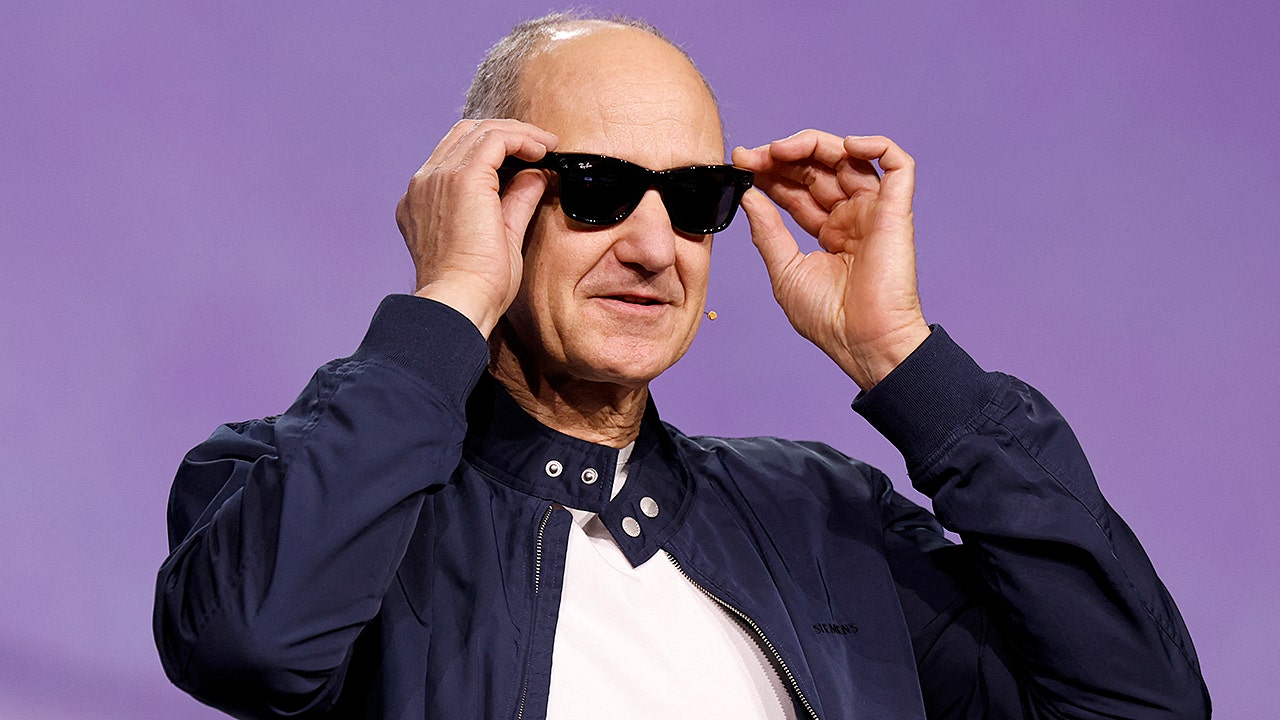
In recent years, smart glasses have emerged as a subtle yet powerful new form of wearable technology. These devices are designed to look nearly identical to regular eyewear, making them easy to overlook in everyday settings. However, unlike traditional glasses, many smart glasses come equipped with cameras capable of quietly taking photos, recording videos, or even livestreaming — often without the awareness of those nearby. This technological advancement has raised growing privacy concerns, as people increasingly wonder when they might be unknowingly caught on camera in public or private spaces.
Addressing these concerns, a new Android app called Nearby Glasses has been developed to help users detect the presence of smart glasses in their vicinity. The app works by scanning for Bluetooth signals that smart glasses broadcast when connecting to phones or other devices. Each manufacturer uses unique Bluetooth identifiers, which the app listens for and compares against a database of known smart glasses devices. When a matching signal is found nearby, the app alerts the user, providing a valuable warning to help people stay more aware of their surroundings and potential hidden cameras.
The development of Nearby Glasses stems from the increasing use of wearable cameras and the privacy risks they pose. Yves Jeanrenaud, the software creator behind the app, built it after observing how wearable cameras were being utilized, including in sensitive situations such as immigration enforcement or instances where individuals were recorded without their consent. Jeanrenaud describes smart glasses as a major privacy concern and sees his app as a form of “technological resistance” — using technology to push back against technology that could infringe on personal privacy.
Nearby Glasses currently focuses on detecting devices made by major manufacturers like Meta and Snap, two companies at the forefront of the smart glasses market. Users can also expand the app’s detection capabilities by adding additional Bluetooth identifiers, enabling it to recognize a wider range of wearable devices. To function effectively, the app requires users to enable a foreground scanning service and start the scan manually. While it provides useful notifications, the app is not foolproof; Bluetooth signals do not always clearly identify the exact device nearby. For example, a Bluetooth headset or other gadget from the same manufacturer might trigger a false alert, signaling a possible pair of smart glasses when there are none.
Despite these limitations, the app offers an important tool for individuals concerned about covert recording. Currently, Nearby Glasses is available only for Android devices, although the developer has mentioned that an iPhone version might be released in the future, depending on user demand and development resources.
The rise of smart glasses is exemplified by high-profile tech leaders like Meta’s Mark Zuckerberg, who showcased the Meta Ray-Ban Display AI glasses at the Meta Connect event in Menlo Park, California, in September 2025. These glasses demonstrate how quickly this technology is advancing, with features that not only record but also integrate AI tools to analyze what the wearer sees in real-time. While these innovations promise convenience—such as hands-free photo capture or instant access to digital information—they also blur the boundaries between everyday life and potential constant surveillance.
Privacy advocates worry that smart glasses’ unobtrusive design makes it difficult for people to know when they are being recorded, unlike traditional cameras or smartphones which are more visible and therefore more easily recognized. This lack of visibility raises urgent questions about consent and the ethical use of wearable cameras, especially in public spaces or situations where individuals expect a degree of privacy.
Beyond technological solutions like Nearby Glasses, there are practical steps individuals can take to protect their privacy amid the growing presence of wearable cameras. Some smart glasses models include small LED lights that illuminate when recording is active, so paying attention to these indicators can help identify when filming is taking place. If you suspect someone is recording you without permission, particularly in a private setting, addressing the issue directly by asking them to stop can be effective, as many people will cease recording when confronted.
Since wearable cameras often thrive in busy environments where people are distracted, it’s wise to avoid sharing sensitive personal information in public places where recording could occur unnoticed. Additionally, limiting the Bluetooth and wireless signals your own devices broadcast can reduce the likelihood of being tracked or scanned by others’ detection tools.
The debate surrounding smart glasses and privacy highlights a broader societal challenge: how to balance the benefits of technological innovation with fundamental expectations of personal privacy. As these devices become more widespread, communities and policymakers will need to consider whether regulations should require wearers to disclose when they are recording, similar to how some jurisdictions mandate visible camera indicators or consent for audio recording.
Ultimately, technology alone