
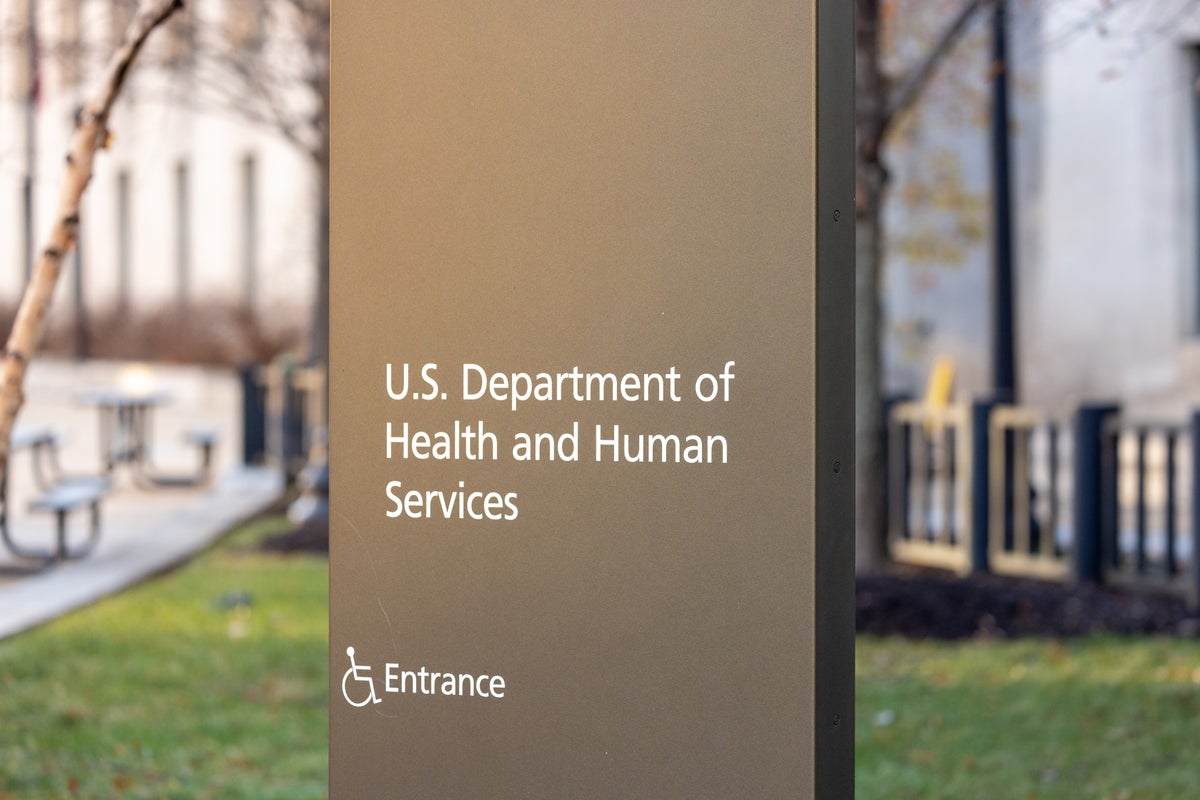
On March 20, 2026, a new group of autism researchers and science advocates convened in Washington, D.C., to form what they call a “shadow committee” in response to recent controversial changes made to the federal government’s Interagency Autism Coordinating Committee (IACC). This independent group, known as the Independent Autism Coordinating Committee (I-ACC), has emerged as a counterbalance to the federal panel’s recent overhaul under Secretary of Health and Human Services Robert F. Kennedy Jr., whose appointments to the IACC have raised significant concern within the scientific community. The federal committee’s new composition includes members who have promoted disproven theories linking vaccines to autism and who support unproven and potentially harmful therapies, sparking fears that the federal panel’s ability to prioritize rigorous, evidence-based autism research is at risk.
The Independent Autism Coordinating Committee swiftly organized itself to fill what its members see as a critical void left by the federal IACC’s new direction. This is not an isolated phenomenon; similar “shadow” groups have appeared in other areas of public health after Kennedy’s interventions, such as medical organizations issuing independent vaccine guidelines following his disruption of the Centers for Disease Control and Prevention’s (CDC) vaccine advisory committee. These developments come amid growing frustration from the scientific community about the federal government’s shifting stance on autism and vaccines under Kennedy’s leadership.
At the independent committee’s inaugural meeting, Craig Snyder, policy lead at the Autism Science Foundation, voiced stark criticism of the federal IACC, noting the panel’s “striking absence of scientific expertise.” Snyder emphasized that the federal committee now disproportionately represents a small subset of families who believe, contrary to overwhelming scientific consensus, that vaccines cause autism. This stance sidelines the majority of autistic individuals, families, and advocates who support science-based approaches to understanding and treating autism. The independent group aims to uphold a commitment to evidence-based research and to develop research priorities that genuinely improve the lives of autistic people—a mission they fear the federal committee no longer embraces.
Joshua Gordon, a former director of the National Institute of Mental Health and past chair of the federal IACC, echoed these concerns. Now a member of the independent committee, Gordon expressed “grave concerns” that the federal panel may no longer fulfill its fundamental mission of advancing autism research effectively. During the independent group’s kickoff meeting, members discussed key gaps in autism research that require urgent attention. They highlighted the need for more rigorous clinical trials of therapies, development of better communication devices, and answers to persistent clinical questions such as the safety and efficacy of antidepressants prescribed to autistic children with anxiety.
The federal IACC itself was scheduled to meet on the same day as the independent committee’s gathering but postponed its meeting following the announcement of the rival group’s event. This postponement underscores the tensions between the two committees. Kennedy’s actions have repeatedly undermined long-established scientific consensus on vaccines and autism since his appointment. Notably, under his direction, the CDC’s website was altered to claim that “studies have not ruled out the possibility that infant vaccines cause autism,” a statement disputed by autism researchers who point to extensive evidence refuting any vaccine-autism link. Similarly, the Food and Drug Administration (FDA) has removed warnings about non-evidence-based and potentially dangerous autism therapies, such as chelation and hyperbaric oxygen treatments—therapies supported by some current members of the federal IACC.
Snyder characterized the current federal committee as “stacked to represent a narrow ideological agenda,” warning that such a configuration threatens to “stall scientific progress, distort research priorities, squander taxpayer money, and ultimately harm people with autism and their families.” This critique highlights the broader concern that political and ideological influences are compromising the integrity of autism research governance in the United States.
The federal IACC was originally created in 2006 under the Combating Autism Act, later renamed the Autism Collaboration, Accountability, Research, Education, and Support (CARES) Act. This legislation was passed during the first major wave of the anti-vaccine movement, which had falsely linked rising autism rates to vaccines. Jim Greenwood, a Republican and former congressman from Pennsylvania who sponsored an early version of the bill, recalled that the federal government needed a mechanism to ensure that science-based information prevailed over pseudoscience and conspiracy theories. Greenwood, who is now a member of the independent committee, stressed the importance of bringing together experts who “really know the science” to counter misinformation.
Historically, the federal IACC has sought to balance