
The year 2026 has seen the passing of many remarkable individuals whose innovations, creativity, and humanity profoundly impacted society across diverse fields—from law and politics to entertainment, music, and public health. This retrospective honors these luminaries who left enduring legacies.
One of the most prominent figures to pass was Robert Mueller (1944–2026), a decorated former Marine and a towering figure in American law enforcement and justice. Mueller’s career spanned decades as a U.S. attorney, deputy attorney general, and director of the FBI, where he tackled complex white-collar crimes, bank fraud, and state-sponsored terrorism. He famously prosecuted notorious criminals like mob boss John Gotti and Panamanian dictator Manuel Noriega, and led investigations into the bombing of Pan Am Flight 103.
Mueller’s most high-profile role came as special counsel investigating Russian interference in the 2016 U.S. presidential election and possible ties to President Donald Trump’s campaign. His investigation, completed in 2019 under legal restrictions that a sitting president could not be criminally charged, concluded without exonerating or charging Trump. Mueller stated that while there was no conclusive proof of criminal conspiracy, the evidence pointed to a range of personal motives behind the President’s conduct, including concerns over the legitimacy of his election and attempts to influence the investigation. The probe led to federal charges against 34 individuals, including 25 Russians and three Russian companies. Mueller’s testimony before Congress reaffirmed the systematic nature of Russia’s interference and detailed contacts between Trump campaign officials and Russians, though without establishing criminal conspiracy. Despite political controversies, Mueller upheld the investigation’s fairness and independence, later contributing to a book that warned of ongoing threats to American democracy from foreign interference.
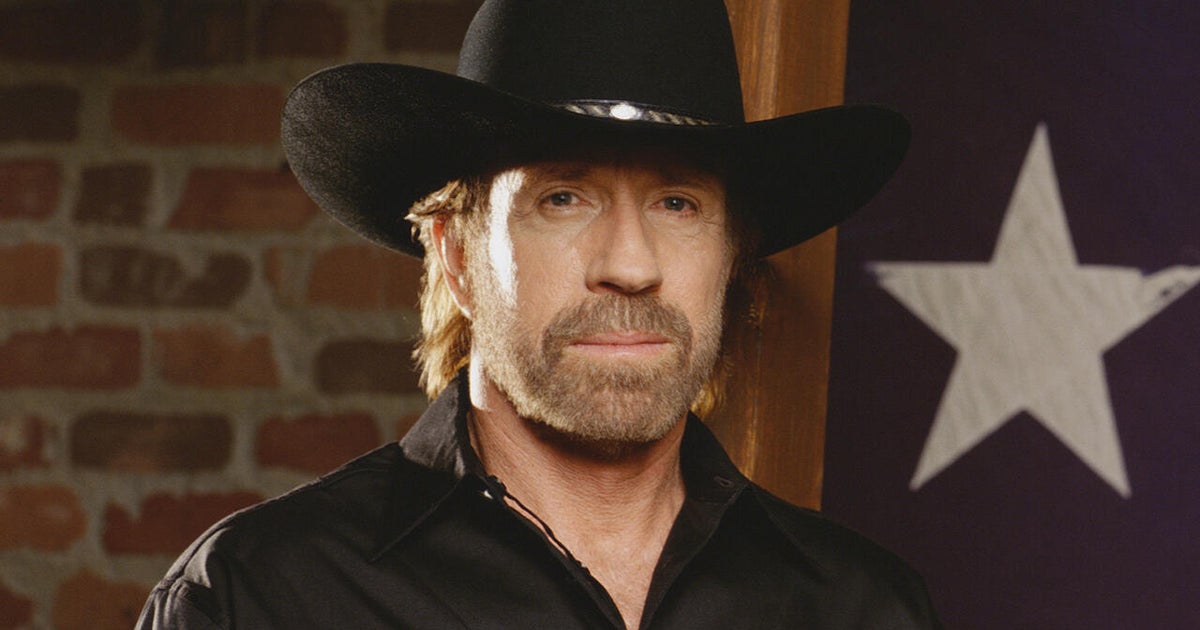
In the realm of entertainment and martial arts, Chuck Norris (1940–2026) passed away, remembered as a martial arts grandmaster and iconic action star. Starting as an Air Force MP in Korea, Norris excelled in judo and Tang Soo Do before becoming a six-time undefeated world professional middleweight karate champion. He developed his own martial arts style, Chun Kuk Do, and opened a chain of studios. Encouraged by Steve McQueen, Norris transitioned to acting, starring alongside Bruce Lee in “The Way of the Dragon” and headlining numerous action films such as “Missing in Action” and “The Delta Force.” His long-running television series “Walker, Texas Ranger” portrayed a heroic figure fighting injustice. Norris embraced both his tough-guy image and the viral internet memes that celebrated it, using the fame to promote martial arts for children and charity work.
A pivotal figure in American political history, Alexander Butterfield (1926–2026) played a crucial role in exposing the Watergate scandal. As deputy assistant to President Nixon, Butterfield oversaw the secret taping system in the White House that recorded conversations implicating Nixon in the coverup of the Democratic National Committee break-in. His 1973 testimony to the Senate committee revealed the existence of these recordings, which contributed decisively to Nixon’s resignation. Butterfield later provided extensive materials for Bob Woodward’s book “The Last of the President’s Men,” which inspired whistleblowers decades later. Butterfield reflected on his role with no regrets, emphasizing the importance of truth.
From the world of music, several influential artists were lost. “Country Joe” McDonald (1942–2026), a key figure in the 1960s Bay Area music scene, co-founded Country Joe and the Fish, blending protest songs, folk, and psychedelic rock. His anti-war anthem “I-Feel-Like-I'm-Fixin'-To-Die Rag” became synonymous with Vietnam War protests and counterculture. McDonald’s music spanned decades, addressing war, environmental issues, and social justice. Despite his anti-war stance, he empathized with veterans and helped organize memorials, balancing activism with compassion.
Neil Sedaka (1939–2026), a prolific singer-songwriter, crafted timeless pop hits like “Breaking Up Is Hard to Do” and “Laughter in the Rain.” Raised in Brooklyn, he studied at Juilliard and formed a doo-wop group before becoming a successful composer for artists including Frank Sinatra and Elvis Presley. Sedaka experienced career highs and lows, weathering the British Invasion by shifting focus to songwriting and later reviving his performing career in the 1970s with Elton John's support. His accessible, heartfelt music earned him enduring popularity well