
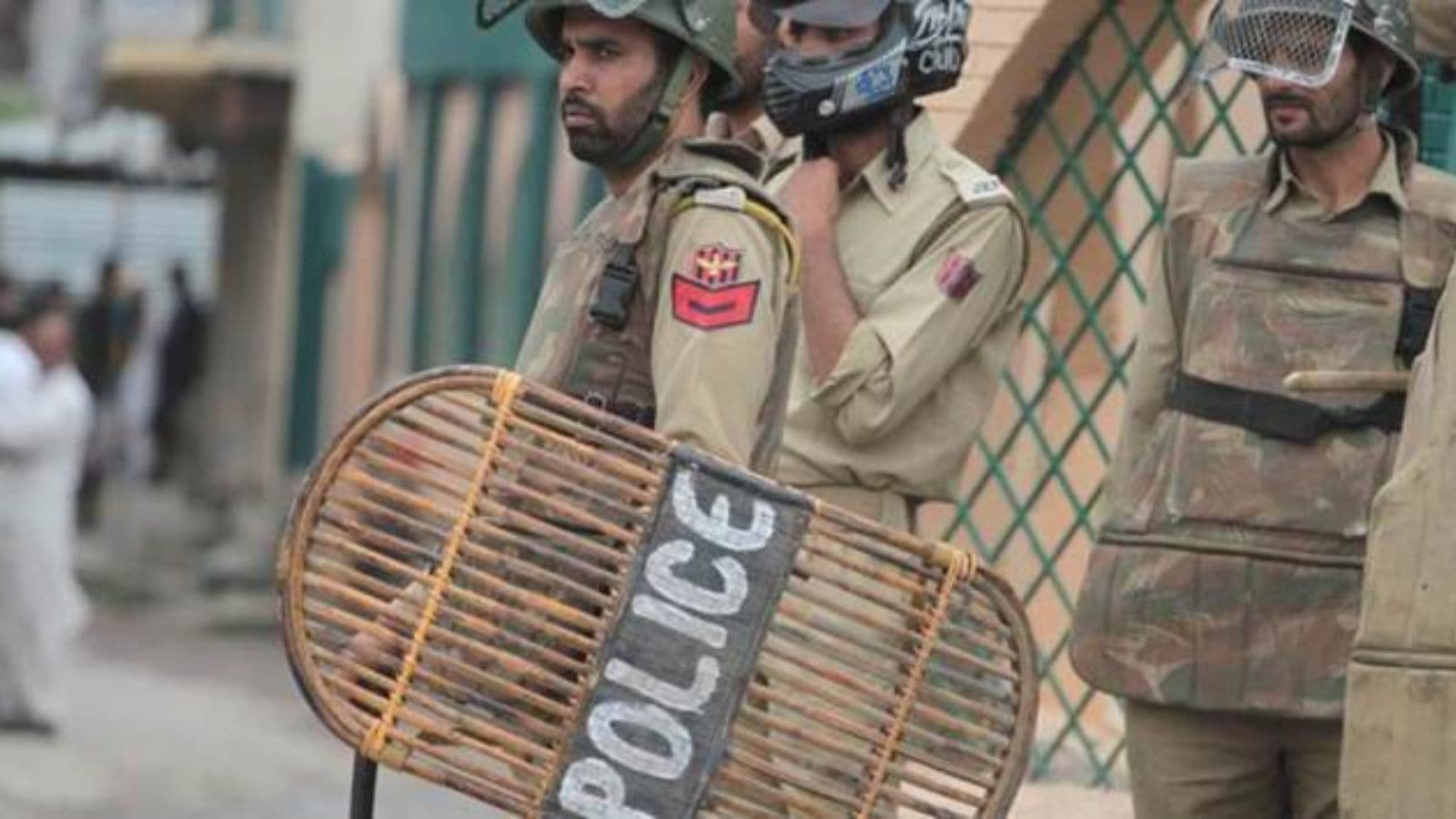
Counter Intelligence Kashmir (CIK), the counter-intelligence wing of Jammu and Kashmir Police, has successfully dismantled a major terrorist recruitment module operating in the Kashmir Valley. On Thursday, extensive search operations were conducted at ten different locations across the districts of Srinagar, Ganderbal, and Shopian. These searches were carried out under search warrants issued by the Special Judge designated under the National Investigation Agency (NIA) Act in Srinagar. The operations stemmed from a First Information Report (FIR) registered under the Unlawful Activities (Prevention) Act at the CIK Police Station.
According to officials, the terrorist recruitment network was being coordinated by handlers across the Line of Control (LoC), the de facto border between India and Pakistan-controlled Kashmir. More alarmingly, the module reportedly had links with a network based in Bangladesh, indicating a broader transnational terrorist connectivity.
The investigation has revealed that the module was being managed by a Pakistan-based Lashkar-e-Taiba (LeT) terrorist named Shabir Ahmad Lone. Lone is originally from Kangan in Ganderbal district of Kashmir and is known to operate under multiple aliases, including "Raju" and "Zafar Saddique." The police described Lone as a highly radicalized and trained militant who has undergone structured arms training programs known as "Daura-e-Aam" and "Daura-e-Khas" in Pakistan-occupied Kashmir.
Officials provided a background of Lone's militant career, stating that he initially served as an over-ground worker for a terrorist outfit in the late 1990s. In the early 2000s, he formally joined Lashkar-e-Taiba, one of the most notorious terrorist organizations operating in South Asia. Lone later infiltrated into India via the Bangladesh border and has since remained actively involved in terror-related activities, including conspiring in several high-profile attacks.
Lone's militant activities in India had led to legal proceedings against him in the past. However, he managed to evade prosecution by fleeing to Bangladesh. Since then, he has been operating from Bangladesh, coordinating terrorist recruitment and expanding the network. Investigations have revealed that Lone maintains close contact with senior leadership figures of proscribed terrorist groups and has played a crucial role in reviving cross-border terror modules. This includes some recently uncovered terror networks in various parts of India.
Currently believed to be based in Bangladesh, Lone is said to continue directing operations through a network of associates and over-ground workers who operate in India and neighboring countries.
CIK had previously arrested one of Lone's close associates, Irfan Ahmad Wani, a 45-year-old from Heerpura in Shopian district. Wani was working as a religious functionary at a local mosque. Preliminary investigations indicated that Wani had been in continuous contact with Lone and other terrorists based in Pakistan and Afghanistan through encrypted messaging platforms. Officials highlighted that Wani actively facilitated recruitment, radicalization, and logistical support for the terrorist network at the local level.
The crackdown by CIK forms part of ongoing efforts to dismantle terror networks operating in Jammu and Kashmir, which have long threatened the region's security and stability. The busting of this recruitment module is seen as a significant achievement, given its cross-border links and the involvement of multiple countries in facilitating terrorist activities.
The CIK operations underscore the complex challenges faced by security agencies in the region, where terrorist groups exploit international borders and encrypted communication platforms to evade detection. The collaboration between handlers based in Pakistan and Bangladesh, coupled with local operatives in Kashmir, illustrates the transnational nature of terrorism in South Asia.
This development comes amid continued efforts by Indian security forces to curb militancy and terrorism in Jammu and Kashmir, which has experienced decades of conflict and unrest. The region has been the focus of intense counter-insurgency operations, intelligence gathering, and legal actions aimed at restoring peace and normalcy.
Naveed Iqbal, a Senior Assistant Editor at The Indian Express, who reports extensively from Jammu and Kashmir, provides authoritative coverage on such developments. With over 15 years of experience in frontline journalism, Iqbal's reporting delves into the socio-political and security dynamics of the region, including governance changes, electoral politics, and internal security challenges. Based in the Srinagar and New Delhi bureaus, her expertise includes tracking political party dynamics, counter-insurgency operations, and issues related to minority affairs and judicial developments.
The arrest of key operatives like Irfan Ahmad Wani, and the unmasking of handlers such as Shabir Ahmad Lone, highlight the ongoing vigilance and investigative prowess of agencies like CIK in safeguarding Jammu and Kashmir's security. The successful disruption of this terrorist recruitment module sends a strong message about the resolute stance of Indian law enforcement against terrorism, particularly those networks operating transnationally.
As these investigations continue, authorities are expected to further dismantle the remaining links associated with this module, thereby reinforcing efforts to prevent the resurgence of militant activities in the region. The cooperation between local security forces and national agencies remains critical in countering the evolving threat posed by terrorist organizations operating across borders.
For the public and stakeholders interested in the security and political landscape of Jammu and Kashmir, such developments serve as crucial indicators of the region's ongoing transformation and the challenges inherent in maintaining peace and stability. Continued reporting and analysis by seasoned journalists like Naveed Iqbal provide valuable insights into the region's trajectory and the broader implications of counter-terrorism efforts in South Asia.