
As the ongoing conflict involving Iran nears its fourth week, tensions remain high across the Middle East, with significant military, diplomatic, and economic developments unfolding. The United States, along with its allies, continues to engage in a complex and multifaceted confrontation with Iran, which has escalated into a broader regional crisis affecting global energy markets and geopolitical alignments.
**U.S. and NATO Relations amid the Iran Conflict**
U.S. Secretary of State Marco Rubio expressed frustration with NATO's limited involvement in efforts to reopen the strategically vital Strait of Hormuz, a crucial maritime passage for global oil shipments currently effectively closed due to Iranian actions. Rubio criticized European leaders for distancing themselves from the conflict, noting their stance that the war with Iran is not "their war." He contrasted this with the U.S. commitment, highlighting that although Ukraine might similarly not be America's war, the U.S. has been the largest contributor to its defense. Rubio emphasized that his primary responsibility is to the American people rather than European allies.
President Donald Trump also voiced disappointment with NATO, framing the conflict as a test of the alliance's commitment. Speaking at a Cabinet meeting, Trump warned that NATO's response-or lack thereof-would be remembered, signaling potential future consequences for members perceived as not supporting U.S. efforts adequately.
Meanwhile, Democratic Senator Richard Blumenthal, a member of the Senate Armed Services Committee, voiced concern over the Pentagon's clarity regarding funding for the Iran war. After attending classified briefings, Blumenthal described the situation as confusing and chaotic, expressing worry about the prospect of large-scale deployment of American ground troops to Iran. He called on the public to be aware of the risks and urged resistance to what he described as a potential catastrophe.
**Military Operations and Strategic Developments**
President Trump addressed questions about Iran's use of underwater mines in the Strait of Hormuz, claiming the U.S. had destroyed Iran's mine-laying capabilities but acknowledging that some mines could still be present, posing a threat to commercial shipping. U.S. officials have reported at least a dozen such mines in the waterway, contributing to its effective closure and disrupting a significant portion of the world's oil supply.
Trump maintained that Iran is eager to negotiate a deal, despite public Iranian denials. He suggested that Iran had suffered significant military setbacks and was "beg beat to sh--." Trump also dismissed reports that he was desperate to end the war quickly, asserting instead that the U.S. had other targets to strike and was making steady progress.
When asked about the possibility of seizing Iranian oil, Trump acknowledged it as an option but declined to elaborate. He referenced U.S. dealings with Venezuela as an example of successful resource management without direct confrontation.
In a surprising revelation, Trump recounted that Iran had recently allowed eight oil tankers to pass through the Strait of Hormuz as a gesture of goodwill, with two additional vessels following, totaling ten tankers. This move contradicted Iran's public stance of blocking certain vessels, though Iranian officials clarified they were only denying passage to ships connected to the U.S. or Israel.
The U.S. military's Central Command commander, Admiral Brad Cooper, praised the recent Israeli assassination of Commodore Alireza Tangsiri, commander of Iran's Revolutionary Guard naval forces. Cooper described Tangsiri's death as a blow to Iran's naval capabilities, which he said were already in irreversible decline following U.S. strikes that have destroyed the majority of large Iranian naval vessels. Cooper urged Iranian forces to abandon their posts to avoid further casualties.
**Diplomatic Efforts and Peace Talks**
Despite the ongoing conflict, diplomatic efforts continue. U.S. special envoy Steve Witkoff confirmed that the U.S. had presented Iran with a detailed 15-point peace proposal through Pakistan acting as an intermediary. Witkoff described the talks as sensitive and confidential, emphasizing that both sides were engaged in discussions, though specific terms were not disclosed publicly.
Iran, however, has rejected the U.S. proposal as one-sided, with senior officials stating that it demands Iran relinquish its self-defense capabilities in exchange for vague promises of sanction relief. Iranian representatives described negotiations as unrealistic at this stage, although they acknowledged efforts by Turkey and Pakistan to mediate and find common ground.
European and British officials have accused Russia of supporting Iran militarily and providing intelligence to target U.S. forces in the Middle East. The European Union's top diplomat Kaja Kallas and the U.K. Secretary of Defense John Healey highlighted Russia's role in training and aiding Iranian forces, describing the relationship as an "axis of aggression." The U.K. is reportedly working with other countries to explore diplomatic solutions that go beyond military action to reopen the Strait of Hormuz. These revelations underscore the interconnected nature of global conflicts, with Russia's invasion of Ukraine linked to its support for Iran.
**Regional Impact and Casualties**
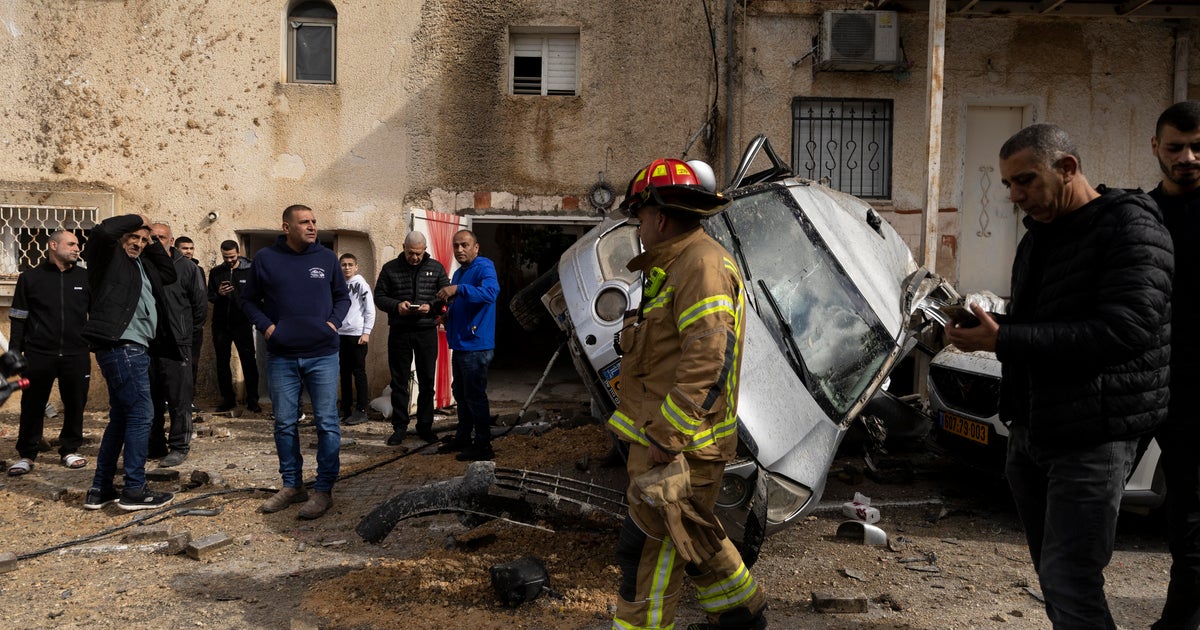
The conflict has led to numerous casualties and attacks across the region. Israeli medics reported fatalities and injuries from missile and drone strikes, likely launched by Hezbollah militants from Lebanon in retaliation for Israeli actions. The Israeli Defense Minister confirmed that an Israeli airstrike killed Alireza Tangsiri and senior members of the Iranian naval command in a precise operation, targeting those responsible for mining the Strait of Hormuz.
The United Arab Emirates has intercepted dozens of missile and drone attacks, though some have resulted in civilian casualties. Since the war's start, the UAE has dealt with hundreds of ballistic missiles and thousands of drones launched by Iranian-backed forces.
In Lebanon, the Israeli military announced the death of an Israeli soldier in combat against Hezbollah forces. Fighting in southern Lebanon has intensified following Hezbollah's rocket attacks, which were launched in response to the assassination of Iran's supreme leader.
**Economic Consequences and Global Energy Markets**
The war has significantly disrupted global energy markets. The closure of the Strait of Hormuz, through which roughly 20% of the world's oil transits, has driven oil prices above $100 per barrel, a roughly 40% increase since the conflict began. This surge threatens to dampen global economic growth and increase inflation, as noted by the European Bank for Reconstruction and Development. The bank warned that prolonged high oil prices could reduce global growth by at least 0.4 percentage points and push inflation up by more than 1.5 percentage points, particularly affecting economies with strong ties to the Gulf region.
Countries heavily reliant on Middle Eastern oil, such as South Korea and Japan, have taken steps to mitigate the impact. South Korea announced a $17 billion supplementary budget and expanded fuel tax cuts, while Japan began releasing parts of its strategic oil reserves. The Philippines, facing an energy emergency, received a shipment of Russian crude oil to bolster supplies.
President Trump addressed the potential for suspending the federal gas tax to ease consumer burdens but suggested that states with higher gas taxes, like California, should act first. He indicated that the federal tax suspension was still under consideration.
**U.S. Military Situation and Domestic Politics**
President Trump has been cautious in labeling the conflict as a "war," citing concerns about Congressional authorization. He prefers the term "military operation," though he has occasionally referred to it as a war in public statements. Trump asserted that the U.S. is ahead of schedule in achieving its military objectives, estimating the mission would take four to six weeks and claiming substantial destruction of Iranian military infrastructure.
Despite the war's intensity, the U.S. military has faced some operational challenges. The USS Gerald R. Ford aircraft carrier required repairs following a fire and mechanical failures unrelated to combat, temporarily limiting its deployment. Another carrier, the USS Abraham Lincoln, remains active in the Arabian Sea supporting operations.
White House officials, including press secretary Karoline Leavitt, have issued stern warnings to Iran, suggesting President Trump is prepared to "unleash hell" if Iran refuses to accept a peace deal. Leavitt emphasized that the U.S. does not bluff and is ready to escalate military action if necessary.
Jared Kushner, acting as a volunteer negotiator for the U.S., indicated that his involvement in the peace process has been more intense than anticipated. He suggested that Iranian public statements are often aimed at domestic audiences and may not reflect the true state of negotiations.
**Outlook and Continuing Uncertainties**
As the war persists with no clear end in sight, the situation remains fluid and volatile. The U.S. and its allies continue to balance military pressure with diplomatic efforts, while Iran maintains a defiant stance publicly yet engages in back-channel negotiations. The involvement of external actors like Russia complicates the conflict further, and the regional spillover into countries such as Lebanon and the UAE underscores the broader risks.
Economic repercussions from rising energy prices are felt worldwide, prompting governments to take emergency measures. The closure of the Strait of Hormuz remains a critical concern for global trade.
President Trump has urged Iran to negotiate seriously and warned of dire consequences if the regime fails to do so soon. The coming weeks will be pivotal in determining whether the conflict escalates further or moves toward a negotiated resolution. Meanwhile, the international community watches closely, aware that the stakes extend far beyond the Middle East.