
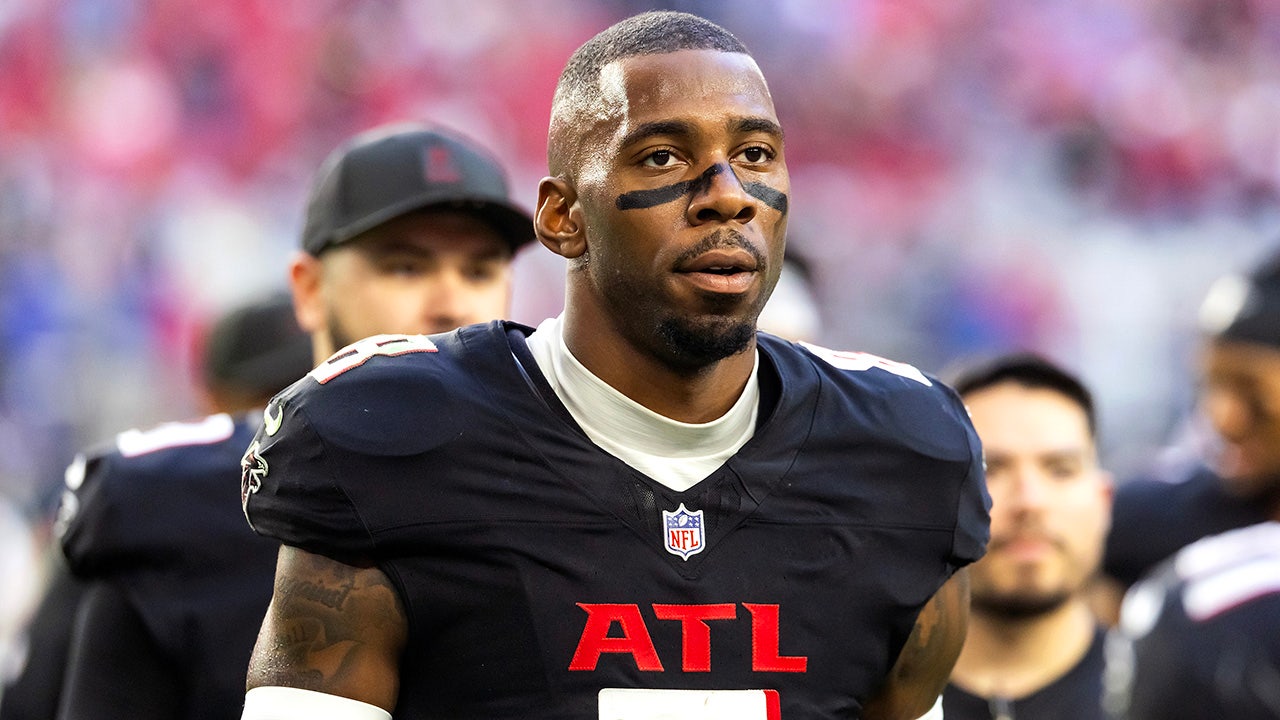
Rondale Moore, a talented NFL wide receiver, tragically passed away last month at the age of 25 from a suspected self-inflicted gunshot wound. Found in the garage of his Indiana home on February 21, Moore’s death sent shockwaves through the football community, prompting an outpouring of grief and support from teammates, fans, and league officials alike. As the football world mourned, one voice in particular—Atlanta Falcons tight end Kyle Pitts—spoke out not only to honor Moore’s memory but also to criticize the seemingly superficial displays of sympathy from some of Moore’s former teammates.
Moore’s journey in football was marked by promise and perseverance. A standout player at Purdue University, he caught the attention of NFL scouts and was drafted by the Arizona Cardinals in 2021. Over three seasons with Arizona, Moore showcased his speed and agility, becoming a respected figure on the field. In 2024, he was traded to the Atlanta Falcons, where he began to form close relationships, notably with Kyle Pitts. Unfortunately, injuries hampered his career; Moore suffered a season-ending injury with the Falcons and later with the Minnesota Vikings, the team he joined in March 2025. Despite these setbacks, those who knew him remember Moore as a determined athlete and a beloved teammate.
In the days following Moore’s death, many shared condolences and tributes across social media. However, Kyle Pitts expressed deep disappointment regarding the attendance at Moore’s celebration of life service. Taking to Instagram Stories, Pitts revealed that only six or seven of Moore’s NFL teammates showed up to honor him, a number he found shockingly low given the public outpouring of emotion. Pitts called out what he described as “fake emotion,” pointing to the disconnect between the heartfelt posts made online and the actual personal support shown in Moore’s final farewell.
“Crazy how only about 6 maybe 7 of your teammates in the NFL showed up for you today smfh,” Pitts wrote. “All that talk and fake emotion and nobody want to show up to lay you to rest... Just at a loss of words.” He urged others to be mindful of who their true friends and “brothers” are—those who stand by you not just in the spotlight or on social media, but through all aspects of life. Pitts’ message resonated as a stark reminder that public displays of mourning on platforms like Instagram or Twitter do not always translate into genuine support or presence when it matters most.
Pitts’ connection to Moore was deeply personal. The two had grown close after Moore’s trade to the Falcons, and Pitts was visibly shaken by the loss. On social media, he shared an emotional post expressing his grief and disbelief. “This can’t be real dawg,” he wrote alongside a series of photos of Moore. “I’m really sitting here crying on even what to say or think bruh. We literally was just on the phone yesterday morning. I’m so hurt dawg, I’d never thought I’d be making this type of post let alone it be about you! Rondale, you’re truly at peace now watching over us but I wish you didn’t leave us man. I love you dawg and 4 is going to live on forever.”
The football community continues to grapple with the loss of Rondale Moore, reflecting on both his talent and the struggles that may have contributed to his untimely death. Moore’s story is a poignant reminder of the mental health challenges that athletes can face, often behind the scenes and away from the public eye. The NFL and various organizations have increasingly emphasized the importance of mental health resources and support systems for players, recognizing that the pressures of professional sports can take a significant toll.
Kyle Pitts’ candid remarks highlight the need for authenticity and deeper connections within teams and communities, especially in times of crisis. While social media provides a platform for immediate expression, Pitts’ experience underscores that real support requires more than words—it requires presence, empathy, and action. As fans and fellow athletes mourn Moore, his legacy serves as both a celebration of his achievements on the field and a call to prioritize mental wellness and genuine human connection.
If you or someone you know is struggling with thoughts of suicide, help is available. The Suicide & Crisis Lifeline can be reached by calling or texting 988, or by calling 1-800-273-TALK (8255). Support and confidential assistance are available 24/7.
This tragic event has brought to light