
In less than three days, two major college basketball coaching positions in North Carolina's storied Tobacco Road region have unexpectedly opened up, signaling a rapid turnover that has sent shockwaves through the college basketball community. The departures involve two high-profile programs: North Carolina and NC State, both of which are now searching for new head coaches amid significant challenges and shifting ambitions.
The first vacancy arose when the University of North Carolina decided to part ways with head coach Hubert Davis. Davis, who had been at the helm since 2021, was dismissed shortly after the Tar Heels suffered an early exit from the NCAA Tournament. The decision to fire Davis followed a disappointing postseason performance that fell short of the program's lofty expectations, a reflection of the high standards and pressure that accompany coaching roles at blue-blood programs like UNC.
Almost immediately following Davis's departure, NC State experienced its own seismic coaching change. Will Wade, who had been hired by the Wolfpack just over a year prior, left NC State to accept a return engagement with LSU, the program that had originally fired him for cause four years earlier. Sources close to the situation, including CBS Sports' Matt Norlander, revealed that LSU's leadership initiated contact with Wade late on a Tuesday night, setting off a swift chain of events that culminated in Wade formally accepting the LSU head coaching job by Thursday morning. This move coincided with LSU's dismissal of then-coach Matt McMahon, marking a sudden and dramatic shift for the Baton Rouge program.
Unlike traditional coaching hires that involve public job openings and extensive searches, LSU's acquisition of Will Wade was largely a behind-the-scenes operation. The LSU president, Wade Rouse, played a pivotal role, spearheading the maneuver with support from the school's Board of Supervisors. Notably, this process did not involve Louisiana Governor Jeff Landry to the extent seen in previous high-profile hires at LSU, such as the football program's dramatic hiring of Lane Kiffin the previous fall. Instead, the basketball coaching change was driven by internal university leadership focused on elevating the program's competitiveness.
A critical factor in Wade's departure from NC State was not merely the allure of returning to LSU, but the resources and support that LSU was prepared to offer compared to what NC State could provide. Sources indicate that Wade approached NC State's administration seeking a substantial increase in the staff salary pool and enhanced Name, Image, and Likeness (NIL) resources to better compete in the highly competitive Atlantic Coast Conference (ACC). NC State, which had operated with approximately $9 million in roster-building resources during the recent season, was either unwilling or unable to meet these demands.
LSU, on the other hand, is reportedly planning to exceed $10 million in NIL and roster resources for the 2026-27 season, signaling a willingness to heavily invest in its basketball program. This financial gap, combined with LSU's readiness to invest more significantly in coaching staff salaries, emerged as the primary catalyst for Wade's decision to leave NC State after only one season.
The financial commitment LSU is making to Wade is substantial. Reports suggest that his new contract could pay more than $4 million annually over a seven-year term, a significant increase over his roughly $2.5 million salary at NC State. This deal reflects LSU's confidence in Wade despite his recent 20-14 season with NC State, which ended in a disappointing First Four loss in the NCAA Tournament.
The financial implications of the coaching change extend beyond Wade's contract. Wade's buyout clause at NC State is $5 million, reducing to $3 million after April 1, while LSU had to buy out the remaining three years of Matt McMahon's contract, which included an $8 million buyout. These buyouts add to the escalating costs associated with coaching changes in college basketball, highlighting the financial risks programs are willing to take to secure perceived top talent.
LSU's aggressive spending is part of a broader trend across its athletic department, not limited to basketball. The football program, for example, recently secured Lane Kiffin on a seven-year, $91 million contract and paid $54 million to part ways with former coach Brian Kelly during the 2025 season. LSU's football team is also expected to double its roster spending to approximately $20 million for the 2026 season, demonstrating a department-wide commitment to competing at the highest levels. The basketball program's recent moves suggest it is increasingly integrated into this high-investment culture.
Moreover, LSU is doubling down on star power in its major sports programs, having previously extended women's basketball coach Kim Mulkey's contract for 10 years at $36 million and signing baseball coach Jay Johnson to a seven-year, $23 million extension following a national championship. These high-profile contracts illustrate LSU's strategy to build sustained excellence across its athletics.
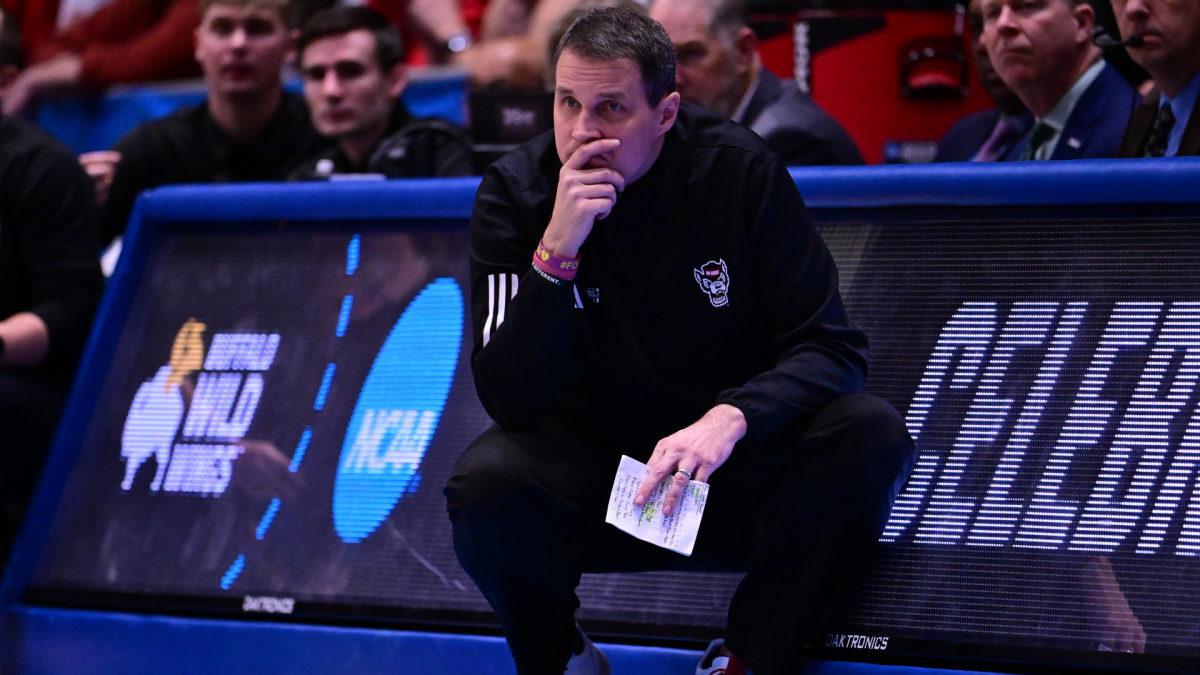
Will Wade's tenure at NC State, by contrast, was brief and marked by challenges. After arriving with bold promises of a "reckoning" for the Wolfpack program, Wade's team struggled to meet expectations. Although NC State did make the NCAA Tournament, the season concluded with a First Four loss in Dayton and a disappointing stretch in which the Wolfpack lost six of their final seven regular-season games, dropping them out of the ACC's upper tier.
The roster Wade inherited was largely constructed through the transfer portal but never fully gelled. Close-game struggles, with a 3-7 record in tight contests, highlighted issues with execution in critical moments. Following the season, Wade openly acknowledged that changes were needed, even describing the team after the First Four loss to Texas as potentially "the worst team we have at NC State."
Despite the abrupt nature of Wade's departure, sources indicate that he has communicated a desire not to aggressively recruit NC State players through the transfer portal in his new role at LSU, aiming to mitigate some of the fallout from his sudden exit. Nevertheless, his decision to leave after just over a year will likely be viewed as controversial by many Wolfpack supporters and stakeholders.
For NC State, Wade's departure means the program faces another coaching search after just two years since its last hire. The Wolfpack administration is now tasked with finding a coach who can stabilize the program and resist the temptation to leave quickly, a concern given recent coaching turnover. Fan interest remains strong, fueled by a remarkable Final Four run under former coach Kevin Keatts in 2024, but tempered by subsequent failures such as missing the ACC Tournament.
As of early Thursday afternoon, NC State had not yet selected a search firm to conduct its coaching search, suggesting the process is in its early stages. While no official candidate list has emerged, the coaching carousel in the region is gaining momentum, with both North Carolina and NC State open and actively seeking new leaders.
The coaching changes in Tobacco Road mark a dramatic and fast-moving period in college basketball, with significant financial commitments and high stakes for all programs involved. Fans, players, and administrators alike are watching closely as the search for new coaches begins, anticipating a period of further movement and change in the near future.