
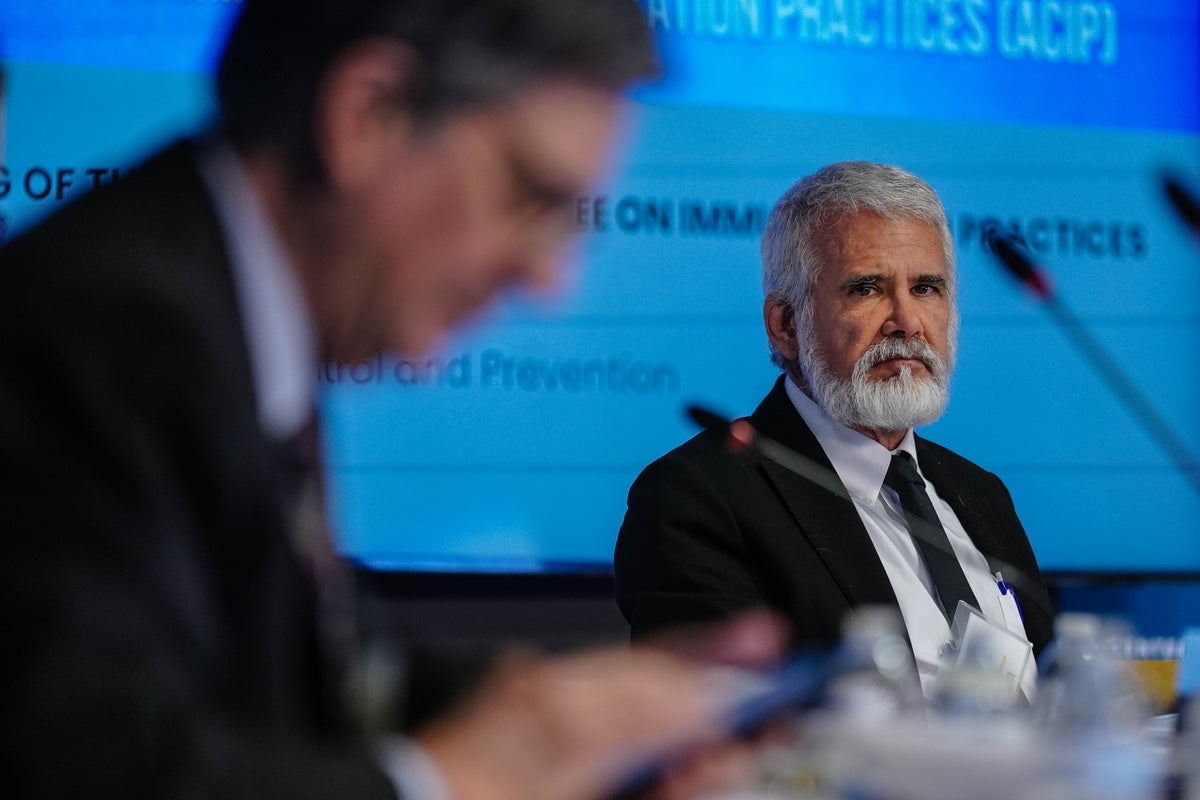
The United States’ influential vaccine advisory panel, the Advisory Committee on Immunization Practices (ACIP), may face dissolution and restructuring following a recent legal challenge, according to Robert Malone, the committee’s former vice chair. ACIP has played a critical role in shaping U.S. vaccine policy for over 50 years, advising public health authorities on routine vaccination schedules for both children and adults. However, recent developments have cast uncertainty over the panel’s future amid controversy surrounding recent appointments made by Secretary of Health and Human Services (HHS) Robert F. Kennedy, Jr.
Malone’s announcement came via a social media post on March 19, 2026, where he revealed that the Trump administration was considering disbanding the current ACIP and recreating a new committee. This move was reportedly prompted by a lawsuit filed by the American Academy of Pediatrics (AAP) along with five other medical organizations. They contested the legitimacy of several appointments made by Kennedy over the past year, arguing that these appointments violated the Federal Advisory Committee Act (FACA). FACA requires that advisory groups such as ACIP be “fair and balanced” in their composition to ensure unbiased and representative advice.
A federal judge sided with the plaintiffs on March 16, 2026, ruling that Kennedy likely appointed 13 panelists in violation of FACA. This ruling effectively blocked those appointments, putting a pause on ACIP’s ongoing work. The judge’s decision has complicated the committee’s ability to function normally, as the blocked appointments have created a legal and operational deadlock. According to Richard Hughes, lead counsel for the AAP in the lawsuit, any future version of the committee must strictly adhere to the legal requirements outlined in their case. Hughes emphasized that a new committee must be properly selected through an impartial and lawful process; otherwise, it would face similar legal challenges.
In response to the lawsuit and pending judicial review, Malone suggested that the administration might choose to dissolve and then quickly reconstitute ACIP rather than pursue a lengthy appeal. He noted that this approach could be faster and more efficient than going through the court system, though he later clarified that no final decision had been made and that disbanding and reforming the committee was only one of several options under consideration. Meanwhile, an HHS spokesperson, Andrew Nixon, stated that until an official announcement is made by the department, any claims about their plans remain speculative and unconfirmed.
CNN reported that other ACIP members, including the committee’s chair, Kirk Milhoan, had also been informed about the potential disbanding of the advisory panel. The uncertainty surrounding ACIP’s future has raised concerns within the public health community, as the committee plays a pivotal role in recommending vaccine policies that impact millions of Americans. The ongoing legal battle and administrative uncertainty have left the panel’s work in limbo, raising questions about how vaccine recommendations will be managed moving forward.
Another significant aspect of the judge’s ruling was the temporary blocking of sweeping changes to national vaccine recommendations that had been introduced under Kennedy’s leadership. This development further complicates the situation, as it halts policy alterations that were already in motion. At the time of the ruling, a spokesperson for the Department of Health and Human Services expressed optimism that the decision would eventually be overturned, signaling the department’s intention to contest the legal setback.
Robert Malone did not immediately respond to requests for further comment beyond his initial social media statements. However, the evolving situation remains a subject of close interest among healthcare professionals, vaccine advocates, and policy makers. The controversy highlights the challenges of maintaining scientific integrity and public trust in vaccine policy amid political and legal disputes.
The story has been updated to include comments from the Department of Health and Human Services and Malone’s clarifications, as well as additional reporting from CNN. As of now, the outcome remains uncertain, and further developments are expected as the administration weighs its options and the legal proceedings continue.
This episode underscores the importance of ACIP’s role in American public health and the potential consequences when its independence and composition come under scrutiny. For decades, ACIP’s guidance has been foundational to vaccine schedules that protect individuals and communities from infectious diseases. Ensuring that such advisory bodies function transparently, fairly, and based on scientific evidence is critical to sustaining public confidence in vaccination programs.
In the broader context, this situation reflects ongoing tensions between science, policy, and politics, particularly in areas as sensitive as vaccine recommendations. As the Trump administration and HHS navigate the legal and administrative challenges ahead