
Scientists Uncover How Stress Triggers Eczema Flare-Ups by Activating Skin Immune Responses
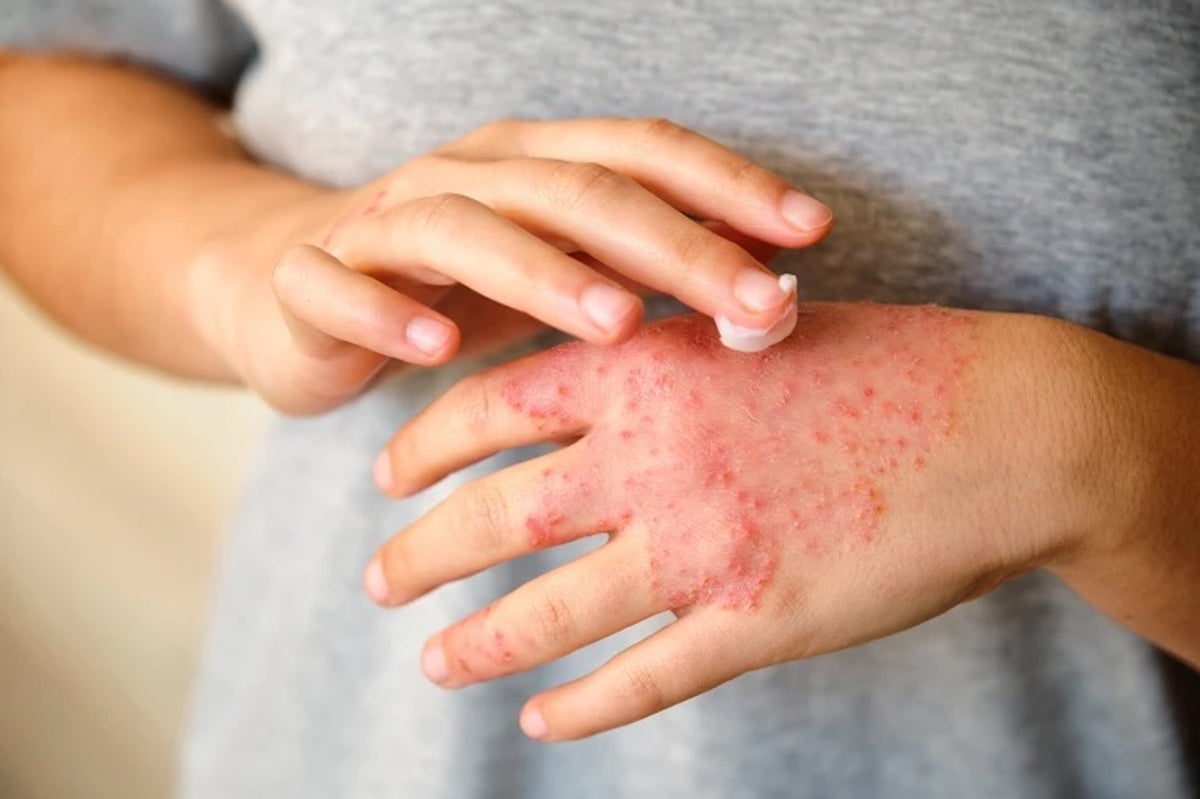
Eczema, a chronic skin condition characterized by red, itchy, and inflamed patches, affects millions of people worldwide. Among those suffering from eczema, stress is commonly reported as a factor that worsens symptoms and triggers flare-ups. Until recently, the precise biological mechanism linking psychological stress to skin inflammation remained elusive. However, groundbreaking research published in the journal Science on March 19, 2026, sheds new light on this connection by identifying a specific network of neurons that respond to stress by activating immune cells in the skin, thereby exacerbating eczema symptoms.
The study, conducted by a team of scientists including co-author Shenbin Liu, a neurobiologist at Fudan University in Shanghai, China, used a mouse model of atopic dermatitis (AD)—a common and severe form of eczema affecting over 200 million people globally—to explore how stress influences skin inflammation. Atopic dermatitis is an allergic skin disease caused by an overactive immune system that mistakenly attacks the body’s own skin cells. One hallmark of the condition is the accumulation of immune cells known as eosinophils in affected skin tissues, which contributes to increased inflammation and itching. What remained unclear was what triggers these eosinophils to migrate to the skin and become activated during eczema flare-ups.
To investigate this, the researchers first examined skin biopsies and blood samples from 51 people diagnosed with AD. They found a clear association between reported stress levels and skin inflammation severity: participants who experienced higher psychological stress had more intense skin inflammation and significantly higher numbers of eosinophils in their skin compared to those reporting lower stress. This human data provided an important clue that stress might directly influence immune cell behavior in eczema.
Building on these findings, the scientists developed a mouse model displaying characteristic AD symptoms such as skin redness, persistent itching, and immune activation. When these mice were exposed to psychological stress, their eczema symptoms worsened markedly. Skin samples from stressed mice contained four times as many eosinophils as those from non-stressed control mice, confirming that stress exacerbates immune cell infiltration in the skin.
The key breakthrough came from analyzing the nerve cells within the skin of these mice. The team identified a specific group of neurons that became activated in response to stress. These neurons receive signals from the central nervous system related to stress responses and, in turn, produce inflammatory proteins that attract eosinophils to the skin and stimulate their activation. By artificially activating these neurons, researchers observed a more than twofold increase in eosinophil numbers in the skin of AD mice. Conversely, blocking the activity of these neurons prevented stress from aggravating the condition, suggesting that this neural-immune pathway plays a pivotal role in linking psychological stress to eczema flare-ups.
“This study shows how a feeling, such as psychological stress, can translate into a biological event, namely inflamed skin,” explained Shenbin Liu. The discovery points to potential new strategies for treating eczema by targeting the stress-responsive nerves or the inflammatory molecules they release. Such therapies could provide relief for patients whose symptoms worsen during stressful periods and improve overall disease management.
Experts in dermatology have welcomed the findings as a significant advancement in understanding eczema’s complex triggers. Wolfgang Weninger, a clinical dermatologist at the Medical University of Vienna, called the research “an important piece to the puzzle,” while noting that translating these results from mice to human patients will be an essential next step. Nevertheless, the study offers hope that interventions aimed at the nervous system’s role in skin inflammation could complement existing treatments focused on immune suppression and skin barrier repair.
The link between stress and eczema has long been recognized anecdotally by patients and clinicians alike, but the biological underpinnings were poorly defined. This new research provides a clear mechanistic explanation of how psychological stress can directly worsen skin inflammation through neural circuits that orchestrate immune cell recruitment. It highlights the intricate interplay between the nervous system and immune system in chronic inflammatory diseases, underscoring the importance of a holistic approach to patient care that considers mental as well as physical health.
Beyond eczema, the findings may have broader implications for other allergic and inflammatory skin disorders where stress is a known aggravating factor. Understanding neural pathways that modulate immune responses could open avenues for novel treatments across multiple conditions.
The study, published in one of the world’s leading science journals, Nature, was made possible by the collaborative efforts of researchers and the generous participation of patients