
The NBA's controversial 65-game minimum rule for awards eligibility has come under increasing scrutiny during the 2023-24 season, sparking heated debate among players, agents, fans, and league officials. This rule mandates that players must participate in at least 65 regular-season games to qualify for major individual honors such as MVP, Defensive Player of the Year, and All-NBA team selections. However, a growing number of top performers are at risk of missing this threshold due to injuries or team management decisions, raising questions about the fairness and practicality of the rule.
### The Scope of the Problem: Top Scorers at Risk
Among the NBA's top 20 scorers this season, five players-Giannis Antetokounmpo, Stephen Curry, Joel Embiid, Lauri Markkanen, and Michael Porter Jr.-have already played too few games to reach the 65-game mark. Additionally, three players-Anthony Edwards, Tyrese Maxey, and Cade Cunningham-are currently sidelined with injuries that might keep them below the threshold by season's end. Other stars like Nikola Jokić can only miss two more games before becoming ineligible, while Victor Wembanyama and Kawhi Leonard can miss three.
This means that in the coming weeks, more than half of the league's top scorers could be ruled out of awards consideration purely because of the games-played minimum, regardless of their on-court performance when healthy. This has intensified criticism of the rule, which was first questioned earlier in the season when Jokić's eligibility for the MVP award was uncertain.
### Players' and Agents' Responses
The NBA Players Association (NBPA) has been vocal against the rule, especially following Cunningham's injury. The NBPA called for the 65-game rule to be either abolished or reformed, emphasizing that it unfairly punishes players who miss games due to legitimate injuries rather than intentional rest or "load management." Cunningham's agent, Jeff Schwartz, told ESPN that if a player falls just short of the threshold due to a genuine injury, they should still be eligible for recognition that reflects their season's accomplishments.
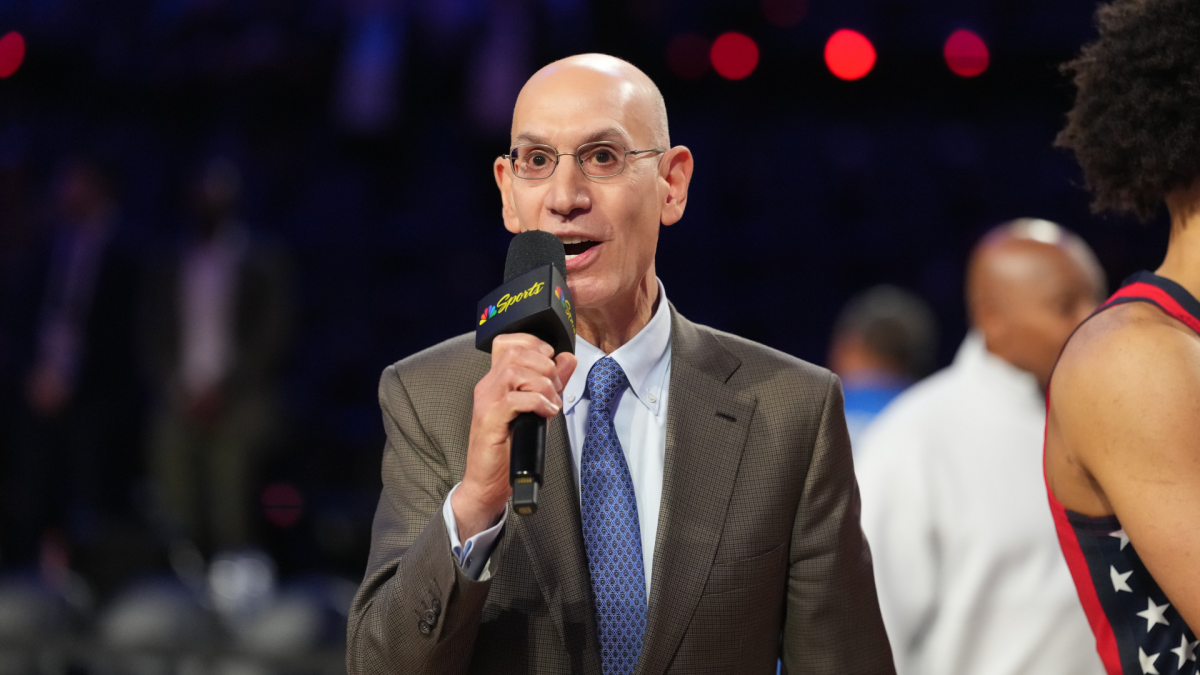
Despite this pushback, NBA Commissioner Adam Silver defended the rule, stating, "I'm not ready to stand here saying I don't think it's working. I think it is working." However, the NBPA is reportedly preparing a formal proposal to modify the rule, and public sentiment appears to side with the players.
### Who Benefits from the 65-Game Rule?
While the rule seems to disadvantage players and frustrate fans, it's not immediately clear who benefits most. The NBPA's resistance suggests the rule is not working for players, and complaints imply it is unpopular with the fanbase as well. Teams' perspectives are less transparent, but evidence suggests it may not be beneficial for them either. For example, Indiana Pacers guard Tyrese Haliburton admitted to rushing back from a hamstring injury to meet eligibility requirements for a contract extension tied to awards, which led to a noticeable drop in his performance-a poor outcome for his team.
One argument is that the rule primarily serves the NBA's broadcasting partners-networks like Disney, Amazon, and Comcast-which recently inked massive media rights deals. These companies likely want the league's biggest stars on the court for televised games to maximize viewership and advertising revenue. The 65-game minimum, combined with the NBA's player participation policy that penalizes teams for resting players during nationally televised games, pressures teams to ensure star players appear on TV more frequently.
### Problems Created by the Rule
Despite its intentions, the 65-game minimum has created several new challenges:
- **Pressures on Players:** Players may feel compelled to return prematurely from injury to reach the eligibility mark, risking their long-term health. Haliburton's case exemplifies this risk.
- **Injustice in Awards Selection:** The rule can exclude deserving players who miss games due to injury but still perform at an elite level. Historically, some All-NBA selections have included players with fewer than 65 games played, often older stars managing their workloads wisely, such as LeBron James.
- **Inconsistent Standards:** The minimum game requirement for awards is not aligned with other NBA thresholds, such as those for statistical titles (e.g., scoring leader), which require participation in 70% of games (roughly 58 games). This inconsistency raises questions about the arbitrariness of the 65-game standard.
- **Contract and Team-Building Issues:** All-NBA selections influence player contract eligibility, including lucrative supermax deals. If top players are ineligible due to the rule, less deserving players might receive awards and contract benefits, creating potential distortions in salary negotiations and roster construction.
- **Fan and Media Confusion:** Fans and media may find it unfair or confusing when high-performing players are disqualified from awards due to missing a few games, especially when other players with fewer total minutes might still qualify.
### Possible Alternatives and Reforms
Several proposals have emerged to address the shortcomings of the 65-game rule, each aiming to balance fairness, health concerns, and the league's commercial interests.
1. **Aligning Eligibility with Minutes Played**
One idea is to shift the eligibility criteria from games played to minutes played. For example, Tyrese Maxey leads the league in minutes played, averaging 38.3 minutes per game, and may finish the season with more total minutes than some players who qualify for awards under the current rule. A minutes-based threshold could better reflect a player's actual contribution on the court.
However, this approach faces challenges. Some players on dominant teams might play fewer minutes in blowouts or late-game situations, artificially lowering their total minutes despite being key contributors. The league would need to distinguish between minutes missed due to injury, coaching strategy, or game competitiveness. While complicated, this system could better reward actual playing time rather than just games played.
2. **Introducing Injury Exceptions or "Cunningham Provisions"**
Recognizing that not all missed games are due to load management, the NBA could implement exceptions for players with legitimate, prolonged injuries. For instance, if a player's longest absence exceeds a specific number of games (e.g., 14), the minimum games required for awards eligibility could be lowered accordingly.
Such a provision would prevent punishing players like Cade Cunningham, who suffered a collapsed lung-a serious injury unrelated to rest strategies. While this risks players rushing back from injuries to meet eligibility, the current rule already pressures players to do so.
3. **Tiered Eligibility Based on Award Prestige**
Another reform could involve setting different minimum games played for various awards, reflecting their prestige. For example:
- MVP: 70 games minimum - First-Team All-NBA: 65 games minimum - Second-Team All-NBA: 60 games minimum - Third-Team All-NBA: 55 games minimum
This tiered system acknowledges that winning MVP is more demanding than earning a third-team All-NBA nod. It would also reduce pressure on injured players to return too soon and allow for a more nuanced recognition of performance over the season.
4. **Aligning Awards Minimums with Statistical Titles**
Currently, to qualify for season titles in scoring, rebounding, assists, steals, blocks, or minutes played, a player must participate in at least 70% of games (58 games). Aligning awards eligibility with this figure could simplify the system and resolve inconsistencies where a scoring champion might not be eligible for All-NBA honors.
5. **Allowing Awards Voters More Discretion**
The NBA's system places strict quantitative limits on awards eligibility, yet simultaneously trusts voters to determine winners who directly affect player salaries. This contradiction raises concerns: if voters are trusted to assess player value, they should be allowed discretion to consider the impact of injuries on a player's season rather than applying a rigid games-played cutoff.
Granting voters flexibility would mean acknowledging that a player's on-court excellence in fewer games might outweigh the absences, especially when injuries are involved.
### The Bigger Picture: Schedules, Player Health, and Load Management
Underlying the debate over the 65-game minimum is a broader discussion about the NBA's demanding 82-game schedule. Other sports with more physical contact, such as football and hockey, do not have similar participation policies, and their players rarely miss games due to rest management.
NBA players and coaches have long called for a shorter regular season to reduce fatigue, injuries, and the need for load management. Despite these calls, the league has maintained the current schedule, partly due to commercial interests tied to television contracts and game revenue.
Commissioner Silver has noted a reduction in "load management" discussions and fewer players resting during nationally televised games, suggesting some success of the participation policy. However, player availability remains a concern, and the 65-game rule seems to increase pressure on athletes to play through injuries, which may be detrimental in the long term.
### Conclusion: A Rule That Creates More Problems Than It Solves
The NBA's 65-game minimum for awards eligibility was introduced to curb load management and ensure star players participate in a substantial portion of the season. While it may have reduced some rest-related absences, the rule has inadvertently created numerous issues: it penalizes players with legitimate injuries, pressures premature returns, complicates awards and contract decisions, and frustrates fans and players alike.
Given these challenges, many stakeholders argue for reform. Potential solutions include adjusting the threshold based on minutes played, introducing injury exceptions, implementing tiered minimums for different awards, aligning with existing statistical qualification standards, or granting awards voters more discretion.
Ultimately, the league must balance its commercial goals with fairness to players and the integrity of its awards. Without thoughtful revision, the 65-game rule risks undermining both player health and the credibility of end-of-season honors.