
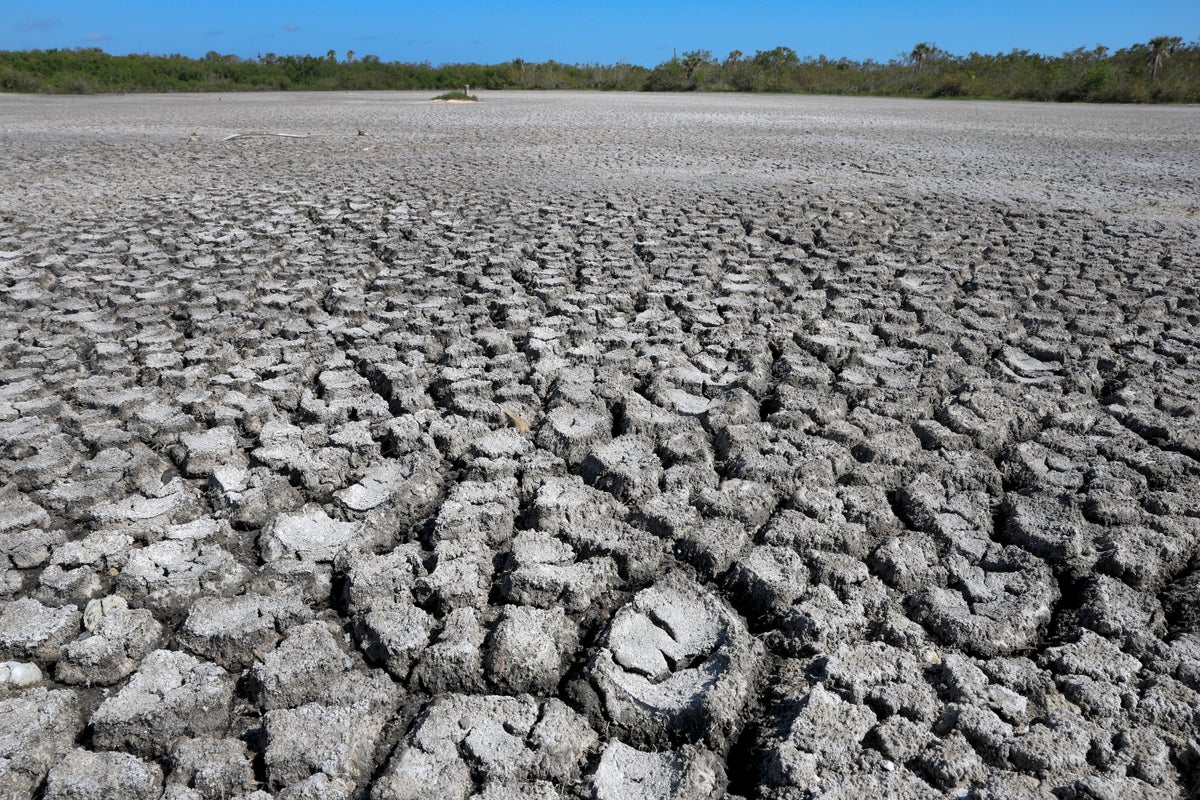
A recent study has unveiled a surprising and concerning link between climate change-induced drought and the rise of antibiotic-resistant bacteria, a development that could have significant implications for global health. As the planet warms and landscapes dry out, these dangerous microbes may be gaining a hidden advantage, complicating efforts to treat bacterial infections and posing new challenges for healthcare systems worldwide.
Drought is often associated with visible and immediate impacts such as wildfires, water shortages, and crop failures. However, researchers have now discovered that the effects of drying conditions extend far beyond what the eye can see, influencing microbial life in soil and even within human hosts. Published in the journal Nature Microbiology, the study reveals that arid environments can promote the proliferation of bacteria that resist antibiotic treatment, potentially increasing the incidence of hard-to-treat infections.
The research was led by microbiologist Dianne Newman of the California Institute of Technology, who highlights the unexpectedly strong correlation between the aridity of an environment and the presence of antibiotic-resistant bacteria. “We found this really surprisingly strong correlation of the aridity index and antibiotic resistance,” Newman said, emphasizing that their findings should serve as a “wake-up call” to pay greater attention to the evolving threat of antibiotic resistance, especially in the context of global climate change.
Antibiotic resistance is not a new phenomenon. Since the discovery of antibiotics in the 20th century, bacteria have gradually evolved mechanisms to evade these drugs, rendering some infections increasingly difficult to treat. This resistance contributes to an estimated five million deaths worldwide each year, representing a major public health crisis. What sets this new study apart is its exploration of how climate-related factors—specifically, drought and dryness—may be accelerating this trend, an area that remains poorly understood and ripe for further investigation.
The team’s interest initially focused on phenazines, naturally occurring antibiotics produced by certain soil bacteria. These compounds help bacteria compete within their ecological niches. By comparing microbial populations in wet versus dry soil samples, the researchers observed that drier conditions led to higher concentrations of antibiotics like phenazines, along with a corresponding increase in antibiotic-resistant bacteria. Newman explains the logic: as soil dries, antibiotics become more concentrated, making the environment more hostile to bacteria that cannot withstand these compounds. “The only bacteria that can withstand that are those that can resist it,” she noted.
To broaden their findings, the researchers analyzed soil data from various ecosystems affected by drought and consistently found elevated levels of antibiotic-resistant microbes in drier soils. They then extended their study to include hospital data, examining how the aridity of a hospital’s location correlated with rates of antibiotic-resistant infections. Remarkably, hospitals situated in more arid regions reported higher numbers of such infections, suggesting that environmental dryness may influence bacterial resistance in clinical settings as well.
These insights come at a critical time, as climate models predict that by 2050, up to a quarter of the Earth’s surface could experience drought and desert-like conditions due to rising global temperatures. This expansion of arid environments could lead to a significant uptick in antibiotic-resistant infections worldwide, particularly in regions becoming drier over time.
The implications of these findings are profound for public health planning and medical treatment strategies. Infectious diseases expert Jason Burnham, who was not involved in the study, commented on the potential practical applications. He suggested that hospitals in drier areas might need to tailor their antibiotic usage to account for the heightened resistance patterns observed in such environments. “What [the authors] are proposing, reading between the lines a little bit, is that hospitals in drier areas may need to use different antibiotics than hospitals with sort of less arid conditions,” Burnham said.
This research opens new avenues for understanding how climate change can indirectly influence human health by altering microbial ecosystems. It underscores the need for heightened vigilance in monitoring antibiotic resistance trends, particularly in regions vulnerable to drought. Moreover, it highlights the interconnectedness of environmental and medical challenges, reminding us that the consequences of global warming reach far beyond temperature increases and weather extremes.
In addition to guiding clinical practices, these findings may inform public health policies aimed at mitigating the spread of resistant bacteria. Strategies could include more targeted antibiotic stewardship programs, increased surveillance of resistance patterns in different climates, and the development of new treatment protocols suited to the unique challenges posed by arid environments.
The study also serves as a call to action for greater investment in research that bridges ecology, microbiology, and medicine. Understanding how environmental changes influence microbial behavior is essential for anticipating future health crises and developing