
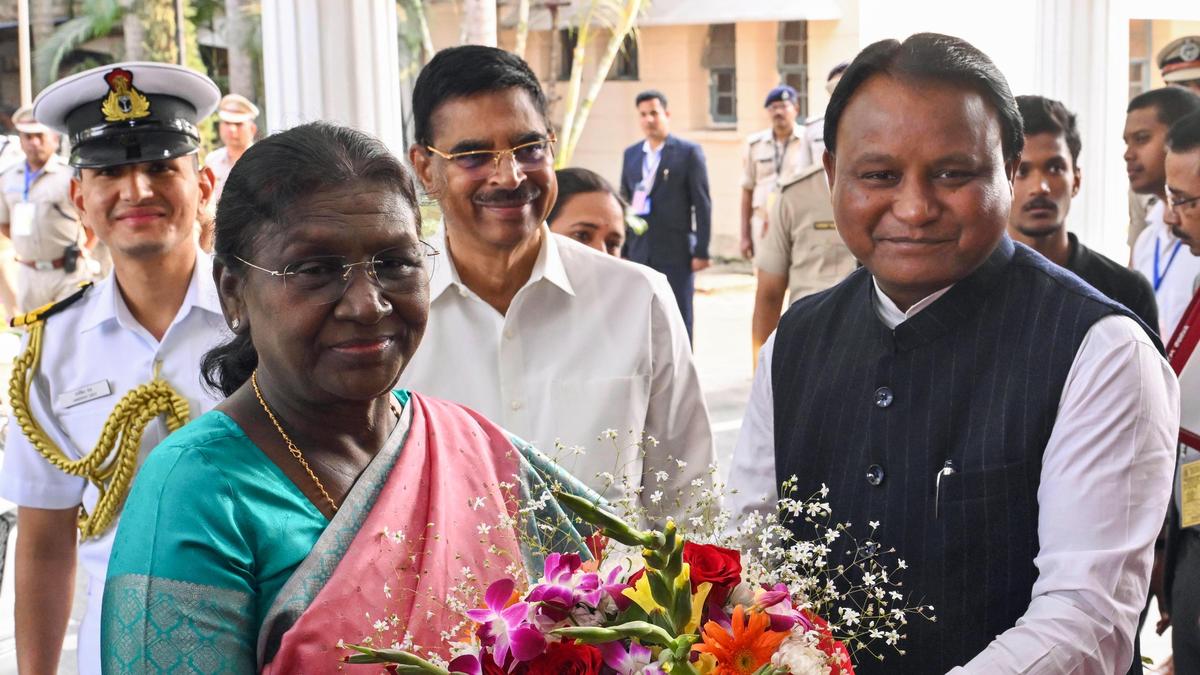
On March 7, 2026, Odisha Chief Minister Mohan Charan Majhi publicly expressed deep concern and disappointment over the denial of permission to hold the International Santhal Conclave at the originally planned venue in Darjeeling. The event was scheduled to be graced by President Droupadi Murmu as the Chief Guest. The denial and abrupt shifting of the venue, which took place during President Murmu’s visit to Siliguri, has been widely seen as more than a mere logistical issue, stirring significant distress among the tribal communities in India, especially in Odisha.
In a strongly worded statement posted on the social media platform X, Chief Minister Majhi emphasized that the Office of the President of India transcends political differences and symbolizes the dignity and authority of the Constitution. Therefore, any disruption involving the President’s engagements, particularly one as culturally significant as the International Santhal Conclave, should be treated with utmost respect and sensitivity. Majhi lamented that the recent developments sent an unfortunate message, undermining the significance of an event that was meant to celebrate the rich heritage, identity, and contributions of the Santhal community—one of India’s prominent tribal groups.
Majhi pointed out that the issue is not merely about politics but touches upon the respect and recognition owed to tribal communities. The Santhal Conclave is a vital cultural occasion, meant to honor and preserve the traditions and identity of the Santhal people. The denial of permission and sudden venue change, therefore, reflects a troubling lack of sensitivity and respect towards tribal heritage. Majhi’s statement struck a personal chord as well, given that President Droupadi Murmu hails from the Santhal community and has risen from humble beginnings in Rairangpur, Odisha, to occupy the highest constitutional office in India. He described the actions taken by the West Bengal government under Chief Minister Mamata Banerjee as hurtful, not only to President Murmu but also to the entire Odia population and tribal communities nationwide.
The Chief Minister urged that in a vibrant democracy like India, narrow political considerations must not interfere with constitutional protocols or the dignity of national institutions. He asserted that political differences should not be allowed to overshadow the respect and honor due to the President’s office. Furthermore, events that celebrate tribal heritage and identity should be supported and encouraged, not obstructed. Such gatherings are crucial for fostering unity, pride, and recognition for India’s diverse tribal populations.
President Droupadi Murmu herself publicly expressed her displeasure over the changing of the venue for the International Santhal Conclave and notably the absence of West Bengal’s Chief Minister Mamata Banerjee at the event. According to reports, President Murmu expected the Chief Minister’s presence as per protocol, but Mamata Banerjee was absent. After attending the conference at Gossainpur, President Murmu traveled approximately 30 kilometers to Bidhannagar, where she openly conveyed her disappointment over the venue shift and the lack of reception by the state ministers.
This incident has stirred a larger debate about the respect and recognition accorded to tribal communities and their cultural events, especially when the nation’s highest office bearer belongs to one of these communities. It also highlights the tensions and political dynamics between the central constitutional office and the state government in West Bengal. The controversy underscores the need for political maturity and adherence to constitutional norms, especially when dealing with dignitaries of the highest order and sensitive cultural occasions.
The International Santhal Conclave was meant to be a significant event celebrating the heritage of the Santhal tribe, which has a rich cultural history and substantial population in eastern India. The disruption of the event’s venue and the perceived sidelining of the President’s role have not only caused political ripples but also deeply affected the sentiments of tribal communities, who see such occasions as moments of pride and representation.
Odisha’s Chief Minister Majhi's public remarks serve as a strong reminder of the respect that must be maintained for constitutional offices and the cultural identities of India’s tribal populations. His statement calls for an end to politicization of events that are fundamentally about cultural celebration and national unity. The Odisha government’s response also reflects the pride and connection that the state and its leaders feel towards President Murmu, who embodies the aspirations of marginalized communities through her historic rise to the presidency.
This episode has brought to light the challenges faced by tribal communities in receiving due recognition and the importance of safeguarding the dignity of constitutional positions against political maneuvering. It is a call for empathy,