
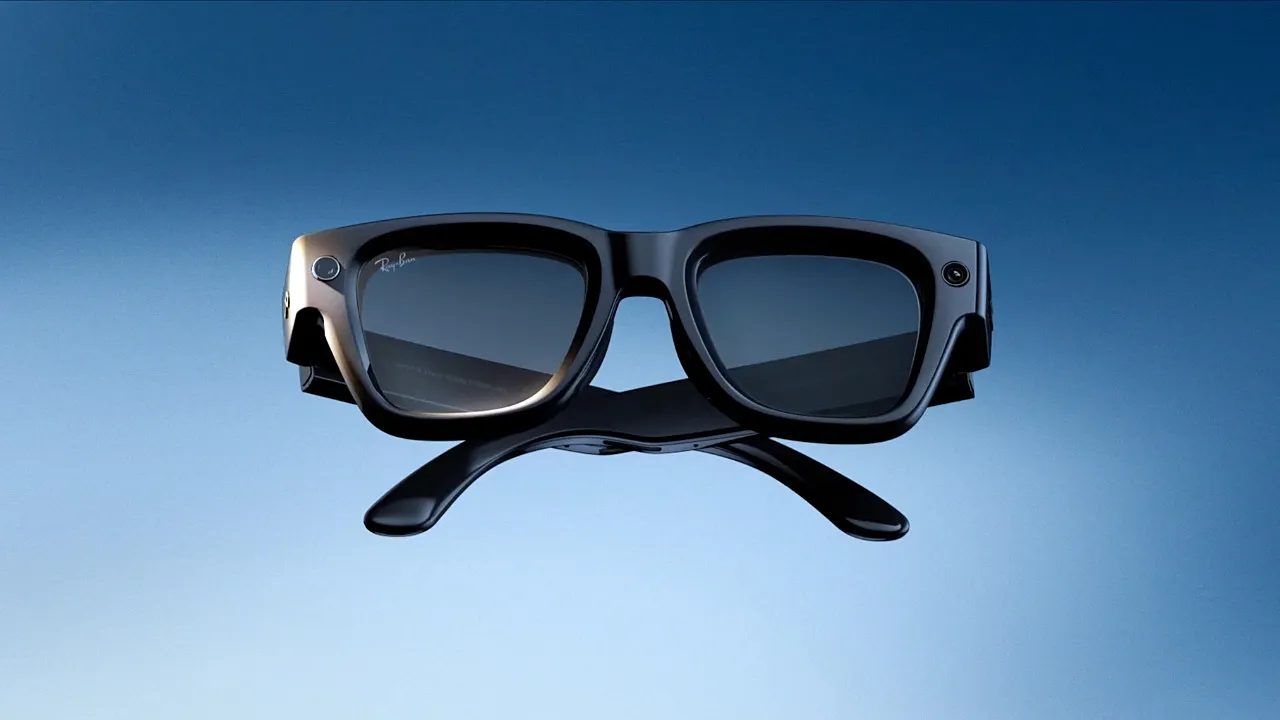
Smart glasses are poised to become the next major frontier in wearable technology, propelled by rapid advances in artificial intelligence (AI). Industry giants such as Google, Meta, Samsung, and potentially Apple are actively developing AI-powered smart glasses that integrate cameras, speakers, voice assistants, and computer vision into a single, hands-free device. While these glasses already offer familiar features—like taking photos, providing directions, answering questions, and helping users navigate their environment—the latest demonstrations suggest they could soon do much more. Specifically, AI may enable these glasses to instantly generate or alter photos in real time, raising profound questions about the nature of photographic truth and the very concept of reality in imagery.
During a recent demonstration, Google product lead Dieter Bohn showcased a prototype of AI smart glasses that not only capture images but also modify them on the fly using generative AI. The device, known as Android XR glasses, features a built-in display and connects to Google’s cutting-edge AI systems, including Google Gemini and an experimental image generator codenamed Nano Banana. In the demo, Bohn instructed the glasses to take a photo of people in the room and then directed the AI to place those individuals in front of a famous landmark—the Sagrada Família church in Barcelona, Spain. Remarkably, the AI-generated image showed the group standing before the iconic church, despite the fact that they had never actually visited Spain. This seamless combination of real people with an entirely AI-created background produced a photo that could easily be mistaken for a genuine travel snapshot.
This demonstration highlights a key shift in how smart glasses might function in the near future. Current products like the Ray-Ban Meta Smart Glasses combine sunglasses with an AI assistant and camera, enabling users to capture photos, livestream videos, and interact with voice commands. These glasses already offer some photo editing features, but their focus remains largely artistic, such as transforming images into cartoons or paintings for creative self-expression. Google’s prototype, however, points toward a more advanced use of AI that can manipulate images to create photorealistic scenes that never actually occurred. This raises important ethical and practical concerns about authenticity and trust, especially as these devices become more widespread.
One of the major differences between AI editing on smartphones and AI-enhanced smart glasses is speed and immediacy. Smartphones have long incorporated AI tools that improve photography, such as removing unwanted objects, adjusting lighting, or generating new backgrounds. Google’s Pixel phones, for example, have been leaders in AI-driven photo enhancements. Yet these processes typically happen after the photo is taken, requiring users to open editing apps and manually adjust images. Smart glasses equipped with generative AI could eliminate this delay, enabling instant photo alteration as the image is captured. This real-time transformation means that altered or entirely AI-generated images could become much more common, challenging the traditional role of photos as reliable evidence of a moment or place.
It’s important to note that Google’s demo was brief, carefully staged, and partly edited for presentation purposes, indicating that the technology is still in its early stages and not yet fully reliable. Generative AI tools can sometimes produce errors, strange visual artifacts, or unrealistic details, which could limit their practical use in the short term. Nonetheless, even imperfect AI capabilities have the potential to fundamentally change how people create, share, and interpret images. As these systems improve, the boundary between real photographs and AI-generated images may blur significantly, altering our collective understanding of visual truth.
The expanding capabilities of AI-powered smart glasses are likely to reshape everyday life. These devices promise unprecedented convenience by merging hands-free computing with powerful AI functions, but they also complicate our relationship with images. A photo shared online might no longer be a straightforward record of reality; it could be a hybrid of authentic elements and AI-generated content. This shift calls for greater awareness and critical thinking when viewing images—especially those that seem too polished, dramatic, or cinematic. Users and viewers should develop habits to help discern authenticity, such as carefully examining small details like hands, reflections, shadows, and background objects for inconsistencies or unnatural features.
Additionally, verifying the source of widely circulated photos is becoming increasingly important. Tools like reverse image searches can help determine if an image has appeared elsewhere before or if it might be manipulated. Since AI can convincingly place people in locations they have never visited, the presence of a realistic background no longer guarantees that the moment actually happened. This is especially critical given that AI-generated images can be exploited in fake travel posts, romance scams