
Over the past twenty years, Major League Baseball (MLB) has undergone a series of significant rule changes aimed at modernizing the game, improving pace of play, and integrating technology to assist umpires and players alike. From the introduction of instant replay in 2008 and its expansion in 2014, to the automatic intentional walk rule implemented in 2017, and the three-batter minimum for pitchers established in 2020, the sport has steadily evolved. Most recently, the pitch clock was added in 2023 to speed up the game and maintain fan engagement. But the evolution is far from over: the upcoming season promises yet another transformative adjustment with the introduction of the Automated Balls and Strikes (ABS) challenge system, alongside numerous other rule experiments currently underway in minor league baseball that may soon find their way into the major leagues.
### The ABS Challenge System: A Step Toward Automation
One of the most notable changes coming to MLB this season is the adoption of the ABS challenge system. This system allows players and managers to challenge ball and strike calls on the field, bringing technology directly into the decision-making process for the first time in terms of pitch judgment. Each team is granted two challenges per game, and if a challenge is successful, the team retains the challenge for future use. This system is not an entirely new concept; it has been tested extensively in minor league baseball for several years, helping familiarize players, umpires, and fans with the technology.
The ABS challenge system represents only the initial phase toward a fully automated strike zone, a concept that has been discussed and tested for nearly a decade. While it remains uncertain when MLB will fully implement an automated strike zone—whether that be in two, five, or fifteen years—the technology is already in place and has the potential to drastically reduce human error and controversy surrounding ball and strike calls. Many big-league players have even experienced ABS technology during their time in the minors, easing the transition. With the challenge system now officially in place, calls for full ABS implementation are expected to intensify, as the benefits of consistency and fairness become increasingly clear.
### Revisiting the Check Swing: Defining the Swing Through Technology
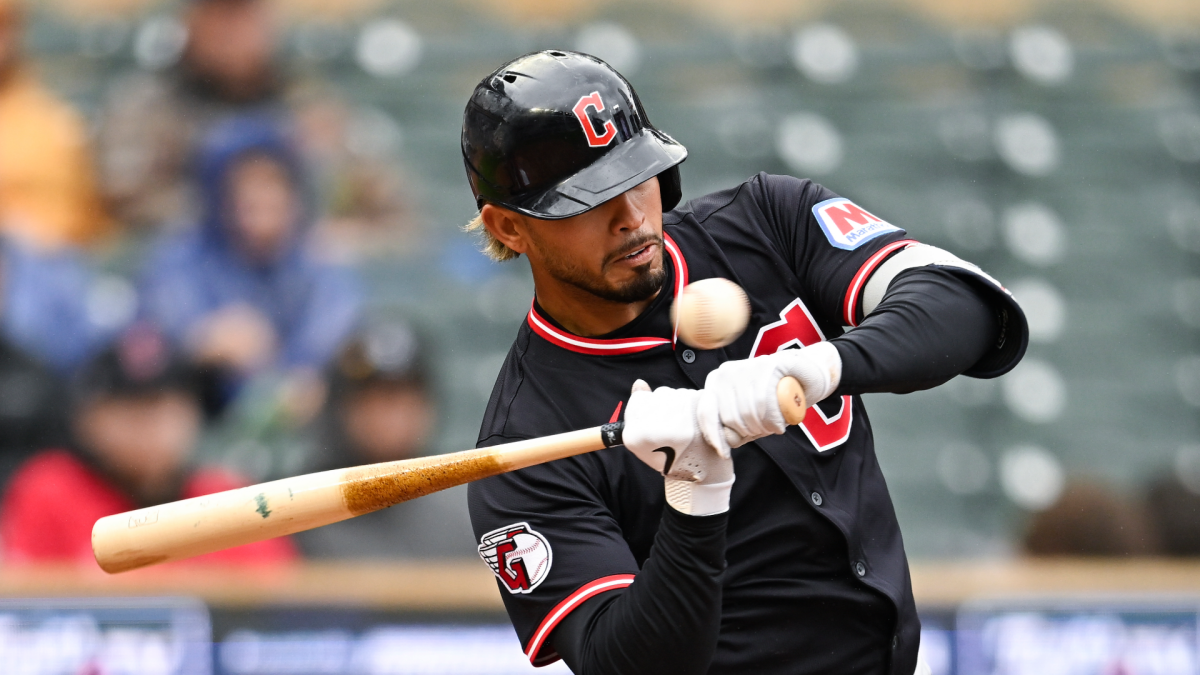
Among the more ambiguous rules in baseball is the check swing. The rulebook defines a swing simply as "an attempt to strike a ball," but it provides no clear parameters or measurable criteria to determine whether a batter has swung or just checked their swing. In practice, this decision is left to the subjective judgment of the home plate umpire, who must interpret whether the batter intended to swing, often leading to debates and disagreements.
Recognizing this challenge, MLB has begun experimenting with a check swing challenge system, leveraging advanced Hawk-Eye technology, which tracks bat speed and swing plane. The league has set a plane at 45 degrees, meaning the bat can travel farther during a check swing than umpires typically allow, thus providing a measurable guideline for determining swings versus no swings. For example, if the bat crosses beyond this 45-degree plane, the swing is called, otherwise it is ruled a check swing.
This system has been tested in the Arizona Fall League and the Low-A Florida State League, and will move to the Triple-A Pacific Coast League this year. Interestingly, in the Triple-A International League, umpires are enforcing the 45-degree plane without the challenge component, indicating a gradual integration of the technology and rules. Although the 45-degree line initially felt unnatural to some, it has contributed to a reduction in strikeouts, suggesting an overall positive impact on gameplay. The progression of this system through multiple minor league levels indicates that MLB is seriously considering it for future adoption in the majors, potentially making the check swing challenge the next major on-field rule change.
### Rethinking the Infield Layout: Moving Second Base
Baseball’s infield has remained largely unchanged for more than a century, with the bases traditionally set 90 feet apart. However, a quirk in the layout means that second base is positioned differently from the other bases. While first and third bases are aligned with the corners of the diamond, second base is situated such that its center corresponds with the corner of the diamond. This arrangement dates back to decisions made before 1900, aimed at helping umpires make fair/foul calls more easily.
This summer, MLB will test a new infield configuration in the Triple-A International League, moving second base forward to align it neatly with the corners of the diamond, just