
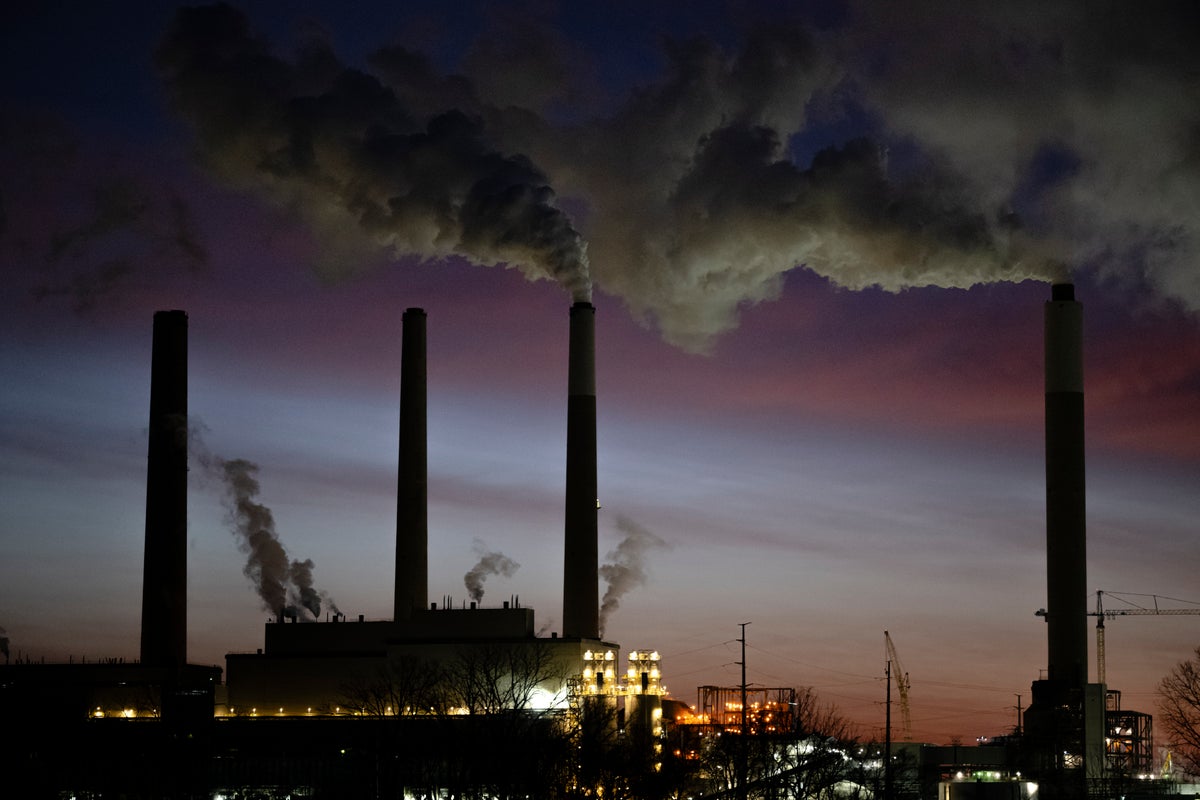
On February 20, 2026, the Trump administration officially announced a significant rollback of environmental regulations targeting coal-fired power plants, particularly those designed to reduce mercury emissions. This move reverses policies put in place during the Biden administration, which aimed to tighten controls on mercury pollution given its well-documented dangers to human health, especially among infants and young children. The rollback has sparked widespread condemnation from environmental groups and scientific experts who warn that loosening mercury regulations could have dire consequences for public health and the environment.
Coal-fired power plants have long been identified as the largest source of mercury emissions in the United States. When coal is burned to generate electricity, mercury—a toxic heavy metal—is released into the atmosphere. From there, it settles into soil and water bodies, entering the food chain through plants and aquatic animals that humans consume. Mercury exposure, particularly in fetuses, babies, and young children, has been linked to serious neurological problems, including developmental delays and cognitive impairments. Given these risks, environmental regulations have historically played a crucial role in curbing mercury pollution and protecting vulnerable populations.
The recently rolled back regulations were originally introduced under the Biden administration as part of a broader effort to reduce pollution from coal plants. These rules included stricter standards for mercury emissions, requirements for emission monitoring systems, and tighter controls on filterable particulate matter—tiny particles that contribute to respiratory and cardiovascular problems. The Trump administration’s decision effectively rescinds these measures, reverting to standards first established during the Obama era in 2012. Under those earlier rules, plants burning lignite coal—a particularly dirty type of coal—were permitted to emit higher levels of mercury compared to plants burning other coal types.
The Environmental Protection Agency (EPA), under the leadership of Administrator Lee Zeldin, defended the rollback by arguing that Biden-era regulations placed “undue burdens” on coal companies and threatened the viability of the coal industry, which the administration views as a vital part of America’s energy economy. In a statement, Zeldin criticized the previous administration’s policies as attempts to “regulate out of existence” coal power, asserting that such actions would have destroyed “reliable American energy.” The rollback is part of a broader strategy by the Trump administration to support the coal sector, which has struggled in recent years amid competition from cheaper and cleaner energy sources.
This latest move has been met with strong criticism from environmental advocates and scientific communities. Surbhi Sarang, a senior attorney at the Environmental Defense Fund with expertise in power sector regulation, described the rollback as a step backward that will lead to “weaker pollution protections and dirtier air.” She emphasized that increased mercury emissions will contaminate air, water, and food, ultimately posing a heightened risk to children’s health. The Environmental Defense Fund has announced plans to challenge the rollback in court, underscoring the contentious nature of the decision.
The rollback also fits into a larger pattern of the Trump administration’s efforts to bolster coal power despite its declining role in the U.S. energy landscape. In recent years, the administration has taken several actions to prop up coal plants, including directing the Department of State to operate military facilities using coal power, funding upgrades to coal-fired plants, and blocking planned plant closures. These moves coincide with a push to expand electricity generation capacity to support new energy-intensive infrastructure projects, such as artificial intelligence data centers, which require vast amounts of reliable power.
Critics argue that the administration’s approach ignores scientific evidence and statutory mandates intended to protect public health and the environment. Julie McNamara, associate policy director of the Climate and Energy Program at the Union of Concerned Scientists, condemned the rollback as “abandoning science and abandoning statute to give polluters a free pass.” She stressed that these decisions come at the direct expense of people’s health, particularly those most vulnerable to pollution’s harmful effects.
The decline in mercury pollution over the past decade has been one of the notable environmental successes tied to regulatory action. Between 2010 and 2017, mercury emissions from coal plants dropped by an estimated 86 percent, largely due to stricter regulations and a shift away from coal toward cleaner energy sources. This reduction has had tangible benefits, including measurable declines in mercury levels in fish. For example, studies showed a 19 percent decrease in mercury concentrations in bluefin tuna samples collected in North America between 2004 and 2012—an improvement directly linked to emission reductions.
Gina McCarthy, who served as President Joe Biden’s national climate